Streaming
Tip-Toeing Through A Crisis

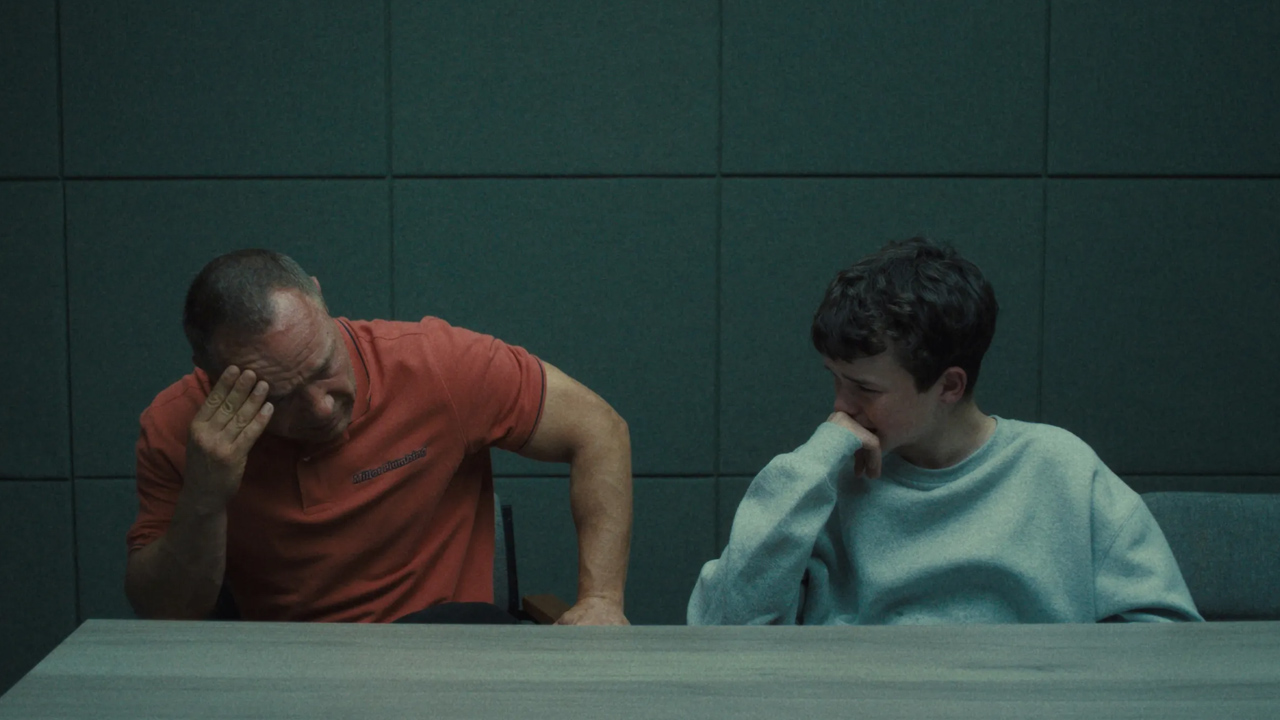
There is a trend running through popular media which is the exploration, and indeed damnation, of ‘toxic masculinity’. From the 2025 Netflix hit Adolescence, in which a boy of 13 (Jamie) is apprehended for the murder of a female classmate. The show explores how the young boy was corrupted by misogyny and toxic online communities known as ‘the manosphere’.
The media is excellent at personifying our societal anxieties. Adolescence does this perfectly with Jamie’s shell-shocked family stumbling about, trying to reconcile their son’s barbaric actions with the somewhat angelic-looking child now locked in a juvenile unit awaiting trial. Jamie is played by the 15-year-old Owen Cooper, who seamlessly goes from a scared and confused little boy to an angry, animalistic young man who kicks, screams, and scratches. Cooper’s performance is even more impressive, considering it is the young actor’s debut.
Adolescence struck such a nerve in the UK that the creators (co-writer Jack Thorne and producer Jo Johnson) met with the then Prime Minister to discuss tightening security online to protect children from the insidious influence of incel culture. Though many felt this was disingenuous, as politicians appeared to be trying to hold social media accountable instead of themselves. Was life influencing art, or was art influencing life at this point?
In April 2026, writer and comedian Richard Gadd’s much-anticipated follow-up show to his 2024 Netflix hit, Baby Reindeer, titled Half Man, debuted. Gadd stars as ‘Ruben ‘, who is the personification of toxic masculinity. Gadd’s Ruben is jacked and has a very masculine, well-paying, physical job on an oil rig. Despite his troubled background, Ruben had worked to better himself in prison and gained a big house, a flashy car, and a beautiful wife. Ruben had so many of the attributes that the manosphere lauds (money, muscles, and merit), but he was also extremely violent, possessive, and manipulative. Gadd perfectly embodies the barely restrained rage and insecurity usually present in these men. In the final episode, we find out (maybe) the main reason for Ruben’s violent and antisocial behaviour. Hint: it’s what you suspect.
Half Man shows that toxic masculinity is, of course, not a modern problem. The majority of the show takes place in the ’80’s and ’90s, not only before social media took hold but before the internet was in every household. Like most of the society’s evils, the internet didn’t create them but did crystallize them. If given the opportunity, perhaps Ruben would have become a manosphere influencer?
The sickening, face-stomping violence in Half Man has been heavily criticized. Many critics found the violence was extremely gratuitous. Do we need to see Ruben ruthlessly beating someone to a bloody pulp with the sole of his boot? Do we need to see Ruben sexually assaulting his stepbrother with the emblem off his car (in a hospital, no less)? The critics would argue no, but in our current climate, with the knife crime stats being what they are, with the domestic abuse stats being what they are, can we really afford to look away?
Similar to Half Man, another hit British TV show that contained devastating and disturbing content was Dr Who writer Russell T Davies’s new topical show, Tip Toe. Starring Alan Cumming and David Morrissey as neighbours in suburban Manchester (England). Alan Cumming is an out and proud gay man who runs a gay bar and is heavily involved in the community, while Morrissey is a homophobic, toxic male. The audience is made aware of the tragic (and violent) ending of the series in the very first scene. But through five episodes, we feel the tension mounting as Morrisey’s character (Clive), much like Gadd’s Ruben, switches between violent and aggressive to pathetic and haunted. We watch Clive get radicalised by online content. In a memorable montage, the rest of the characters (including Clive’s own wife) are masturbating to male homosexual content online while Clive is hooked into the manosphere, watching content designed to incite hate.
Tip Toe brilliantly examines the topical discussions, whether it is violence against trans people, pronouns, or the sociopolitical powder keg Britain appears to have become (or perhaps always was). The LGBT characters question whether bigotry is on the rise, or has it always been simmering just below the surface? As one character points out, they encouraged LGBTQA+ folks to come out just so they knew who to aim at. A sobering thought.
On a personal note, I had to mentally prepare myself to watch the final episode. Fittingly, one of Scotland’s World Cup games was on that night, and I could hear my rowdy neighbours through the wall. Perfectly innocent enjoyment of the game, I’m sure, but the loud masculine howls accompanying the horrific scenes served to put me even more on edge (as I’m sure it does for most women and marginalised people). Watching Alan Cumming’s character being strung up to a lamppost in a normal British street, by seemingly normal British people, I did wonder: how many horrific scenes would we have to watch at our leisure before it makes a difference to the real world?
Interestingly, unlike with Adolescence, the British MP’s have been suspiciously silent about the ripples Tip Toe has caused.
These shows (and many others) emulate how outdated and damaging toxic masculinity is. Have we not moved past this yet? In another hit HBO TV show, Heated Rivalry, the audience has to constantly remind themselves it’s set in modern day (2010s), not the 1940’s, gay relationships shouldn’t still have to be shamefully hidden. But under the rules of toxic masculinity, contact sport is seen as one of the manliest things you can do; thus, homosexuality has no place in it.
Scenes in all three shows are harrowing and not for the faint-hearted, but in my opinion, they are necessary. Toxic masculinity hurts men as well as marginalised communities. The men in the shows are cleverly shown as both perpetrators and victims. The more the ugly truth of this current crisis is shown, the faster we can, hopefully, heal as a society.

BlumFest 2026 Brings Mike Flanagan, James Wan, Jason Blum and More to New York Comic Con
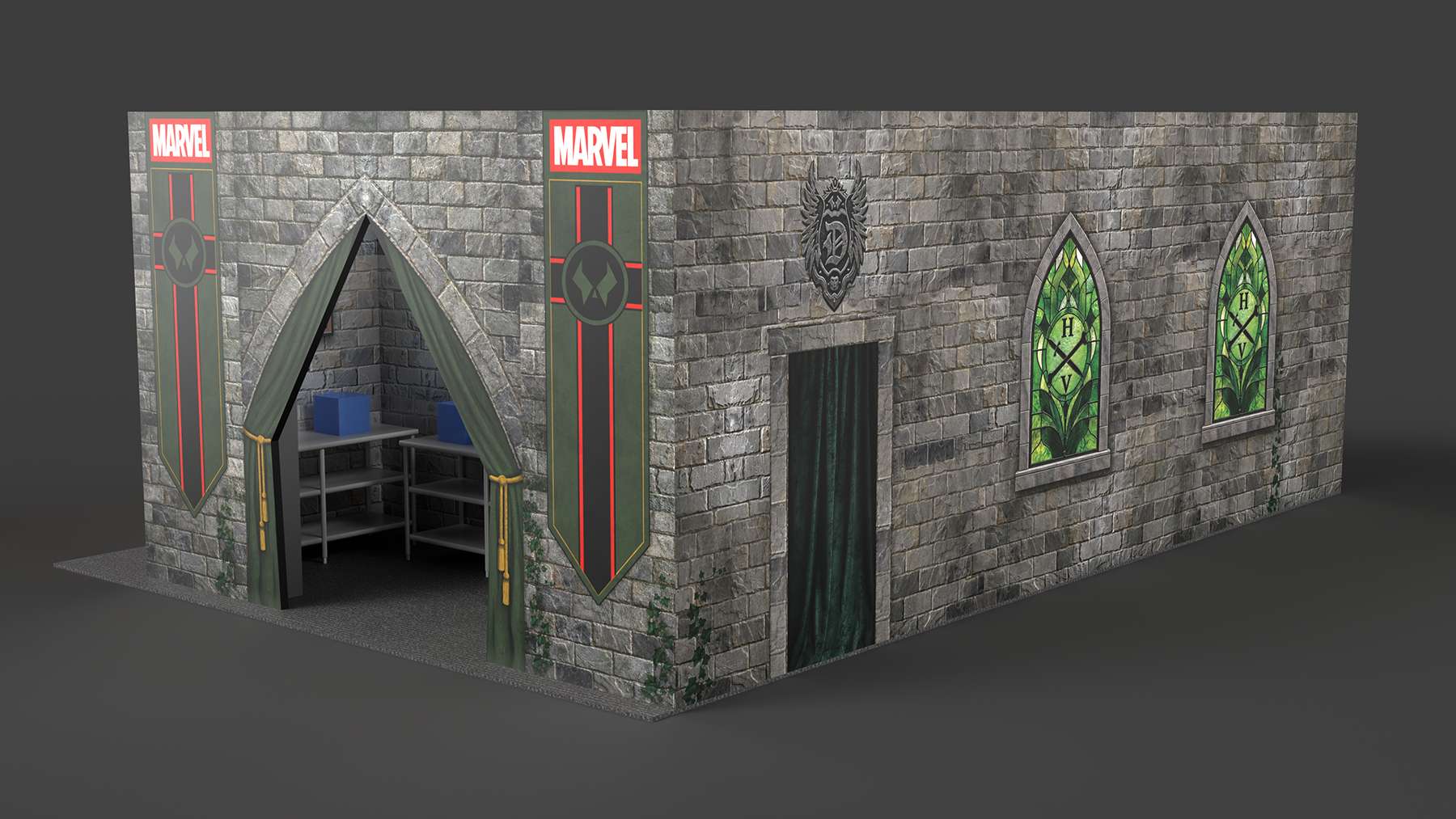
Marvel’s Avengers: Doomsday Takes Over NYCC 2026 With Heroes & Villains’ Latvarian Marketplace
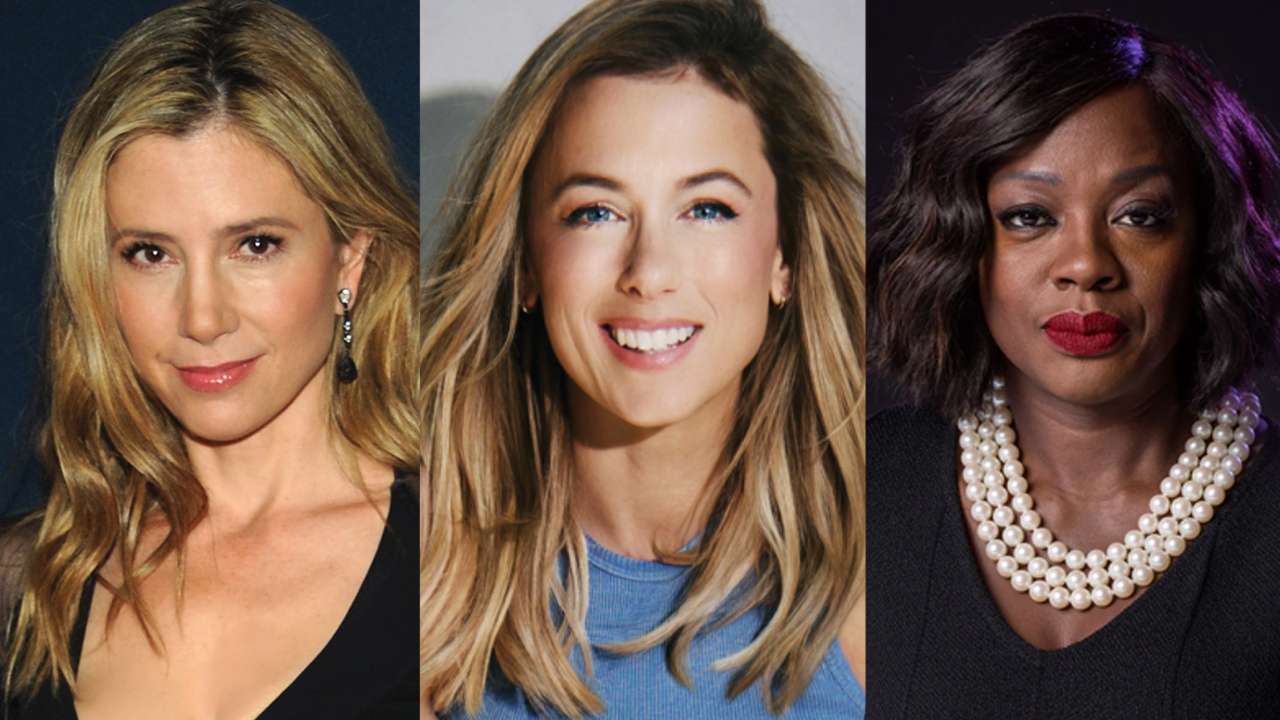
Viola Davis, Mira Sorvino and Iliza Shlesinger among the artists being honored at the festival’s 25th Anniversary Night of the Stars Tribute
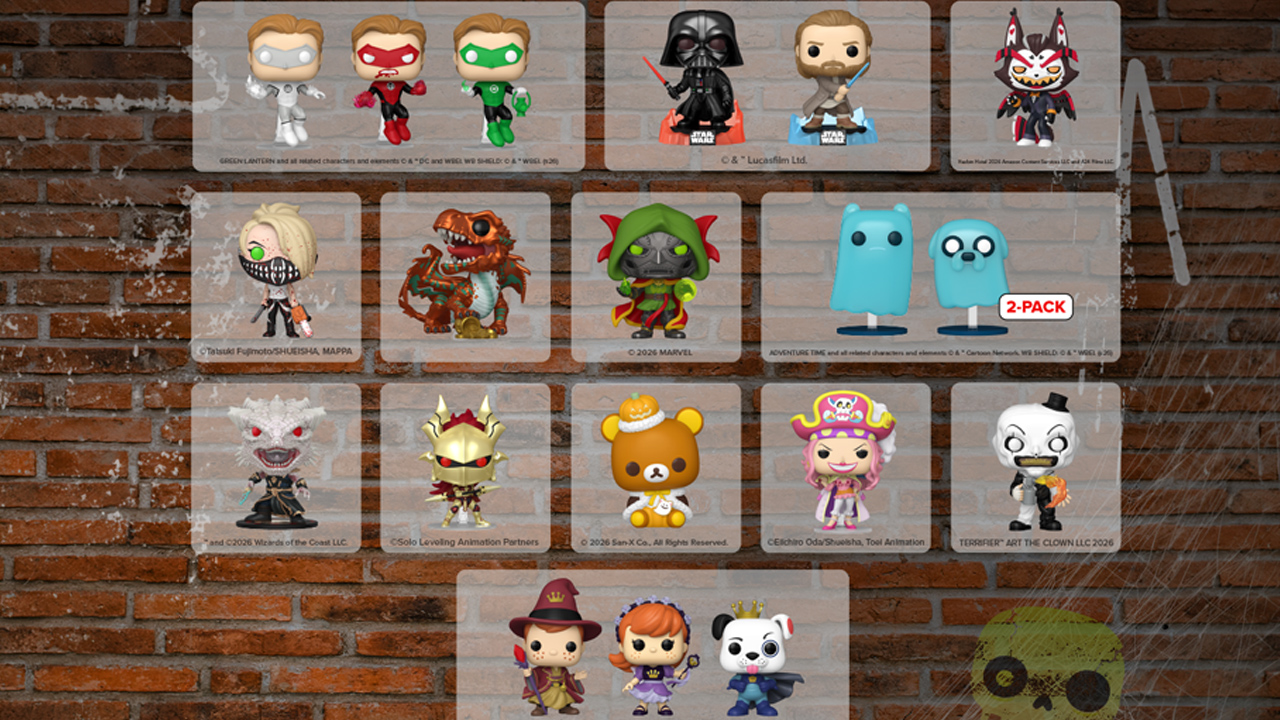
NYCC 2026: Everything You Need to Know
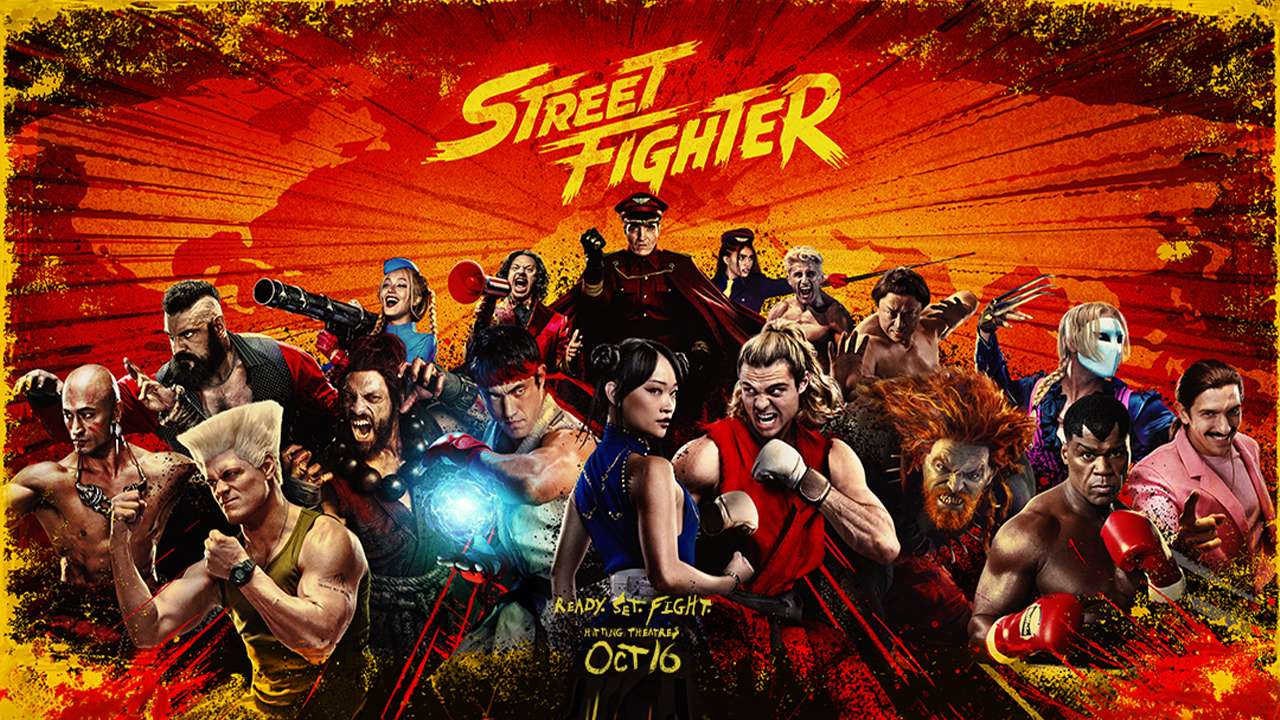
For everyone who’s ever said “one more round.”
AMC Global Media Sets New York Comic Con Lineup With Kill Jackie, YAGA, Mayfair Witches and Daryl Dixon
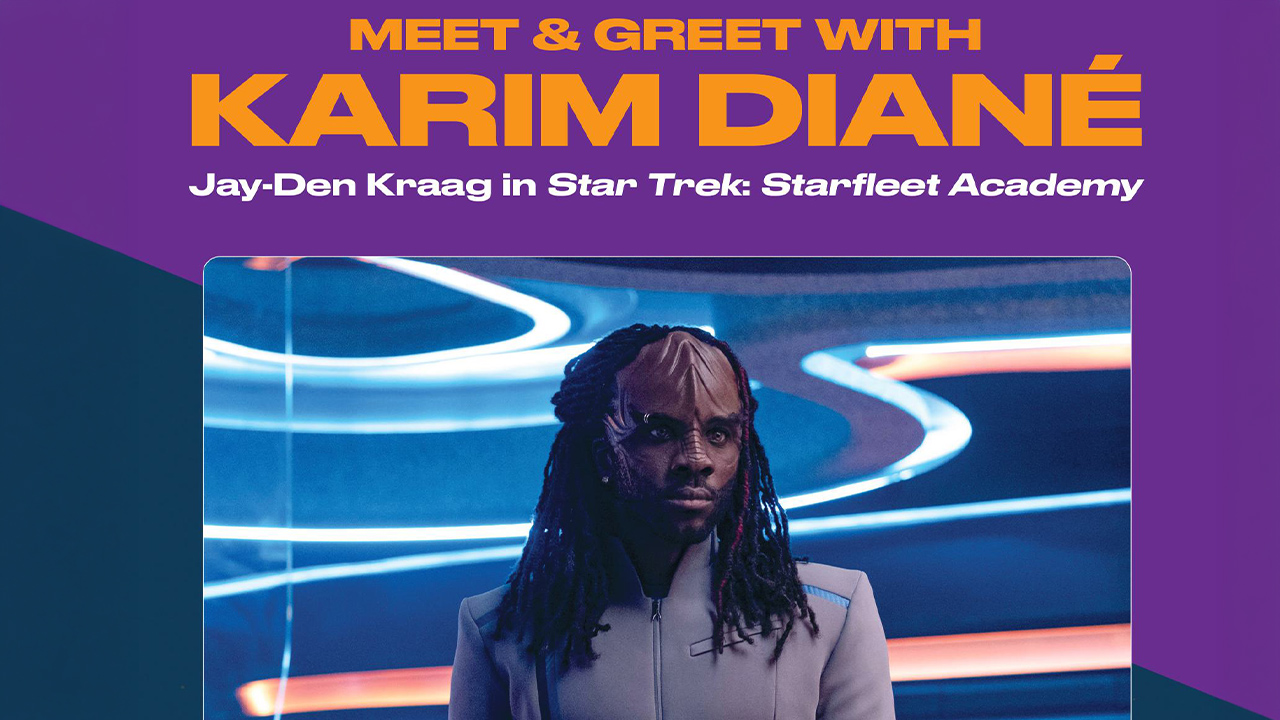
Fanhome Brings Star Wars, Star Trek, Marvel, Harry Potter and More to New York Comic Con 2026
The Sheep Detectives
From: Season 3
BlumFest 2026 Brings Mike Flanagan, James Wan, Jason Blum and More to New York Comic Con
For everyone who’s ever said “one more round.”
In four weeks, look fear in the face
Ray Gunn
He will change the way you see the world
Reassemble the team & relive the experience as Avengers Endgame: Encore