Streaming
The Perfect Neighbor

The Perfect Neighbor is a documentary film. It runs approximately 97 minutes.
Where to View
The film is available for streaming on Netflix (released globally on October 17, 2025) after a limited theatrical run in early October.
Director / Writer / Key Contributors / Studio
Directed by Geeta Gandbhir.
Writing is minimal in the traditional sense — the film is composed almost entirely of archival footage (body-cams, CCTV, police footage) rather than scripted segments.
Editing by Viridiana Lieberman.
Production companies include Message Pictures, Park Pictures, and SO’B Productions.
Distributor: Netflix.
Synopsis
The Perfect Neighbor chronicles a tragic real-life incident in a suburban community in Ocala, Florida.
In June 2023, 35-year-old Black mother Ajike ‘AJ’ Shantrell Owens was shot and killed by her white neighbour, Susan Lorincz, after a prolonged dispute over children playing outside, calls to the police, and escalating tension. Lorincz claimed self-defence under Florida’s ‘Stand Your Ground’ law.
The documentary uses the original body-cam footage, surveillance video, 911 call recordings, and police interviews — without voice-over commentary or dramatized reenactments — to allow the viewer to witness the unfolding of events.
The film thus becomes not only a true-crime narrative, but a social commentary on race, neighbourhood conflict, vigilantism, and the legal system in the United States.
What Works
The decision to use raw archival footage, avoiding conventional narration or re-enactments, gives the film a powerful sense of immediacy and authenticity. Critics highlight this as a standout strength: “an astonishing exercise in montage” and “one of the more brilliant archival true-crime documentaries ever produced.”
Editing and pacing are tight — the approximately 97-minute runtime allows the story to breathe without superfluous digression.
The film successfully expands a seemingly local incident into a broader commentary on systemic issues: neighbourhood racial tension, the failure of conflict resolution, and laws that enable deadly force.
Tumultuous and emotionally impactful scenes — especially involving the children, the community’s response, and the shock of the shooting — leave a strong impression on the viewer.
What Didn’t Work / Limitations
Because the film is constructed mostly from pre-existing footage, it offers little in the way of reflective interviews with all parties or a deep dive into the psychology of the shooter or the neighbourhood dynamics beyond what the footage shows. Some critics argue that it therefore doesn’t always provide a full, balanced contextualisation of the origins of the conflict.
The very real strength of the raw footage format is also a challenge: viewers may feel emotionally overwhelmed or distressed, with minimal emotional ‘guide-rails’ to help them navigate the trauma. Some may find this lack of conventional narrative framing disorienting.
As per several reviews, while the technical craft is impressive, the film may leave viewers wanting more in terms of solutions or follow-through — the sense of hopelessness is strong. As one review notes: “How many more of these films are we going to get?”
Final Verdict
As an entertainment journalist accustomed to both the craft of filmmaking and the importance of social commentary, The Perfect Neighbor stands out as an essential documentary. It delivers a gripping, minute-by-minute account of a devastating event, and in doing so forces the viewer to confront the fault lines beneath seemingly peaceful communities. While its uncompromising approach may make for a hard watch, for those willing to engage with its intensity, the film offers both a compelling narrative and a vital question mark about how we neighbour each other, and how justice functions.
Rating: I would give The Perfect Neighbor a 9.0 out of 10.0 — high marks for craft, relevance, and emotional impact; minor deductions only because of the limited contextual depth and its unremitting emotional weight.




From: Season 3
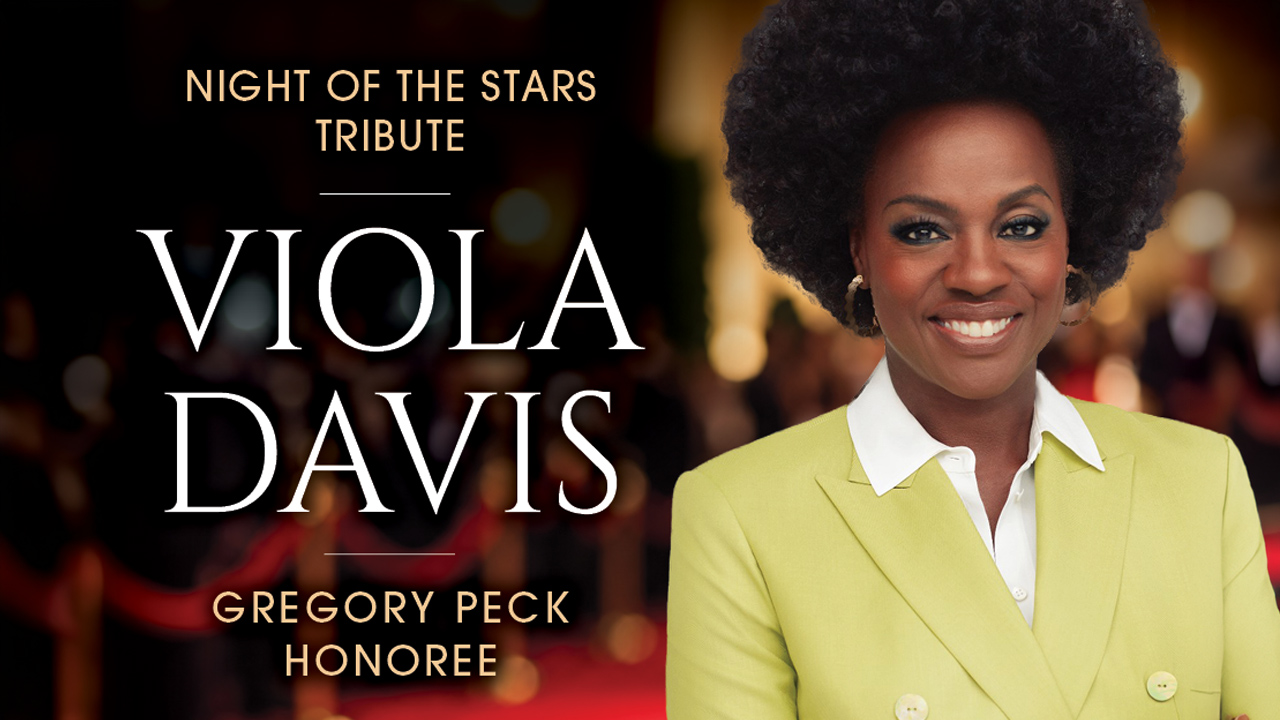
Viola Davis to Receive Gregory Peck Award at San Diego International Film Festival’s 25th Anniversary Night of the Stars
From: Season 2
From – Season One
The Sheep Detectives

Mandy Patinkin Named USA Fencing’s First Honorary Team Captain Ahead of LA28 Olympics
Ambition can’t be tamed…

John Cena Talks COYOTE VS. ACME! with Anil Sankaramanchi

Telugu Cinema Goes Direct to U.S. Fans: Nani and Anirudh Ravichander Bring The Paradise to Dallas

Reassemble the team & relive the experience as Avengers Endgame: Encore
He will change the way you see the world
Reassemble the team & relive the experience as Avengers Endgame: Encore
Ambition can’t be tamed…

Watch the first teaser trailer for The Bluey Movie, coming exclusively to theatres August 6, 2027!
Welcome home, Vision.