Streaming
It’s okay to be not okay Netflix

Genre: Romance / Psychological Drama / Dark Fairy Tale.
Country & Language: South Korea; Korean.
Seasons & Episodes: 1 season comprising 16 episodes.
Runtime per Episode: Roughly 60 minutes (some sources list up to ~80 minutes).
Director: Park Shin‑woo.
Writer: Jo Yong (also credited in some listings as “Jo Yong-hae”).
Main Cast:
Kim Soo‑hyun as Moon Gang-tae.
Seo Yea‑ji as Ko Moon-young.
Oh Jung‑se as Moon Sang-tae.
Park Gyu‑young as Nam Joo-ri.
Moon Gang-tae works as a caregiver in the psychiatric ward of OK Psychiatric Hospital while quietly raising his older brother, Sang-tae, who has autism and a severe trauma tied to their past.
The story takes a turn when Ko Moon-young, a children’s-book author with a deeply troubled past and what seems to be an antisocial personality disorder, enters their lives. Her meeting with Gang-tae begins a chain of events in which all three characters confront deep-rooted trauma, loneliness, emotional wounds, and the possibility of healing through connection.
Against a backdrop of fairy-tale imagery and gothic aesthetics, the narrative weaves romance, psychological exploration and family healing.
What Works
- Visual & Aesthetic Style: The show leans into a heightened, whimsical gothic-fairy-tale look which gives it a distinctive visual identity among K-dramas. Many reviewers highlight the cinematography, set design and mood.
- Performances: The cast delivers strong work. In particular, Oh Jung-se’s portrayal of Sang-tae has been widely praised for sensitively depicting autism, and the chemistry between Kim Soo-hyun & Seo Yea-ji anchors the emotional journey.
- Emotional Depth & Themes: The series tackles issues of trauma, mental illness, rejection, abandonment, self-worth and healing—providing more than just surface-level romance. Many viewers find it emotionally resonant and memorable.
- Creative Premise: The layering of fairy-tale motifs alongside real-world psychological issues gives the story a unique flavour. It stands out from more conventional romantic dramas.
What Doesn’t Work
- Tonality & Pacing Fluctuations: Some viewers comment that the tonal shifts (from whimsical to dark to melodramatic) are jarring and might alienate those expecting a consistent genre tone.
- Plot Overreach / Second-Half Weaknesses: A common critique is that the second half of the series becomes overly dramatic, convoluted or melodramatic—losing some of the emotional subtlety of the beginning.
- Representation & Ethical Questions: Some scenes raise concerns—e.g., how characters’ traumatic behaviours are depicted and how the romance begins in problematic ways (consent, power dynamics) were flagged by critics.
- One-Season, No Clear Resolution for All Threads: As is common in many K-dramas, certain character arcs or background mysteries may feel underexplored or rushed toward the end, which may leave some viewers wanting more closure.
Final Thoughts
As an entertainment journalist, I view It’s Okay to Not Be Okay as a bold and visually arresting piece of television that transcends typical romantic-drama fare by daring to delve into the darker recesses of the human psyche, while still offering the hope of connection and healing. It may not entirely succeed in balancing all of its ambitious themes or sustain its tone consistently, but its strong performances, artistic ambition and emotional core make it a rewarding watch—particularly for viewers open to something both beautiful and a little unsettling.
Rating
8.0 / 10
If you’re looking for an emotionally layered romance with psychological depth and striking visuals, this is a series I’d recommend. If, however, you prefer light-hearted or consistent tone narratives, this one may feel uneven.





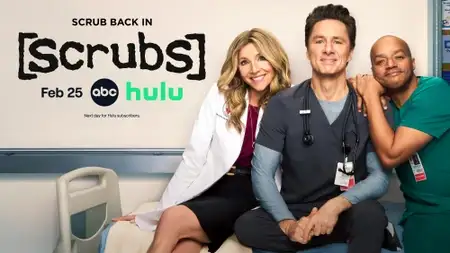
Paging Sacred Heart! Our Top 5 Scrubs Reboot Predictions
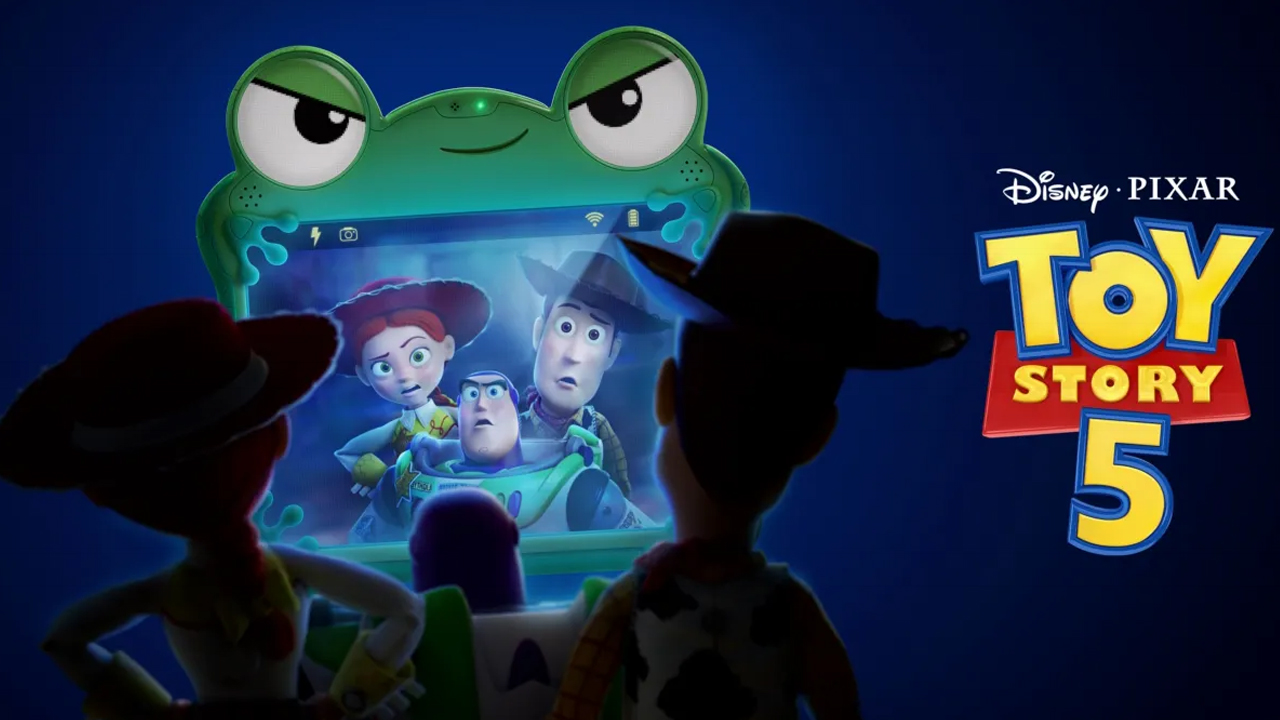
Times may change but friends are forever

Peaky Blinders: The Immortal Man
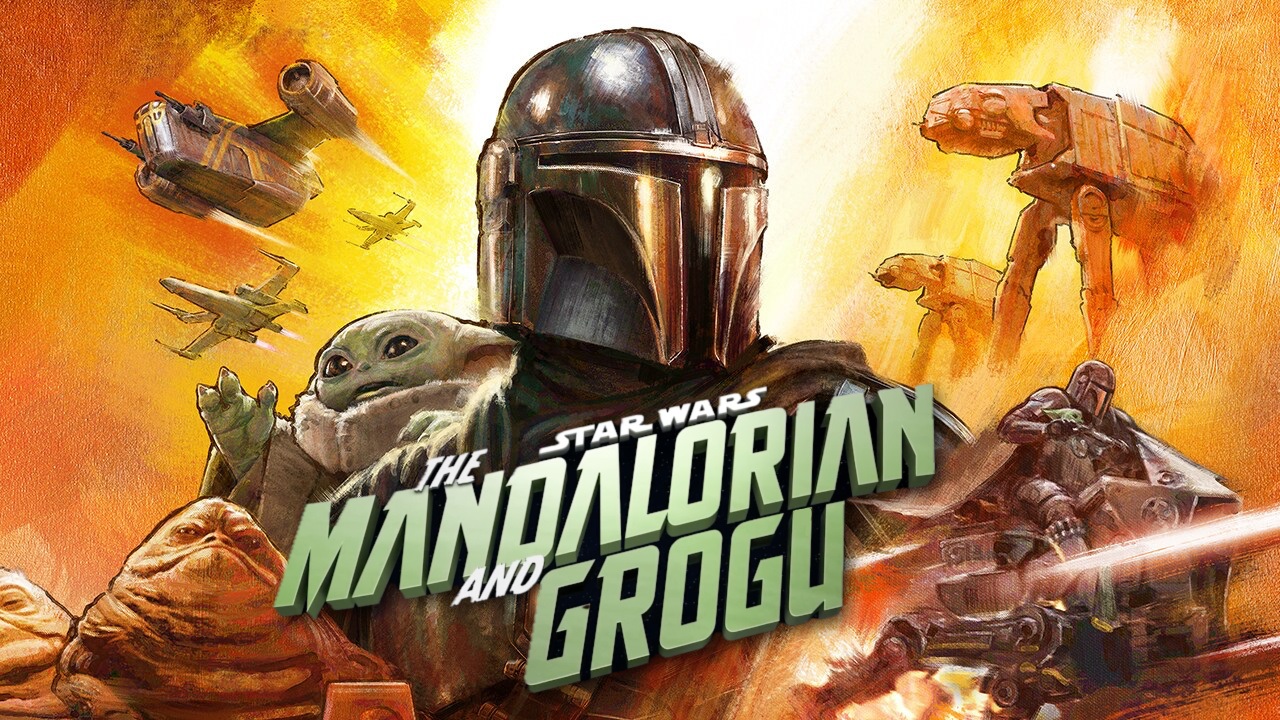
The Mandalorian and Grogu

With no power comes no responsibility!
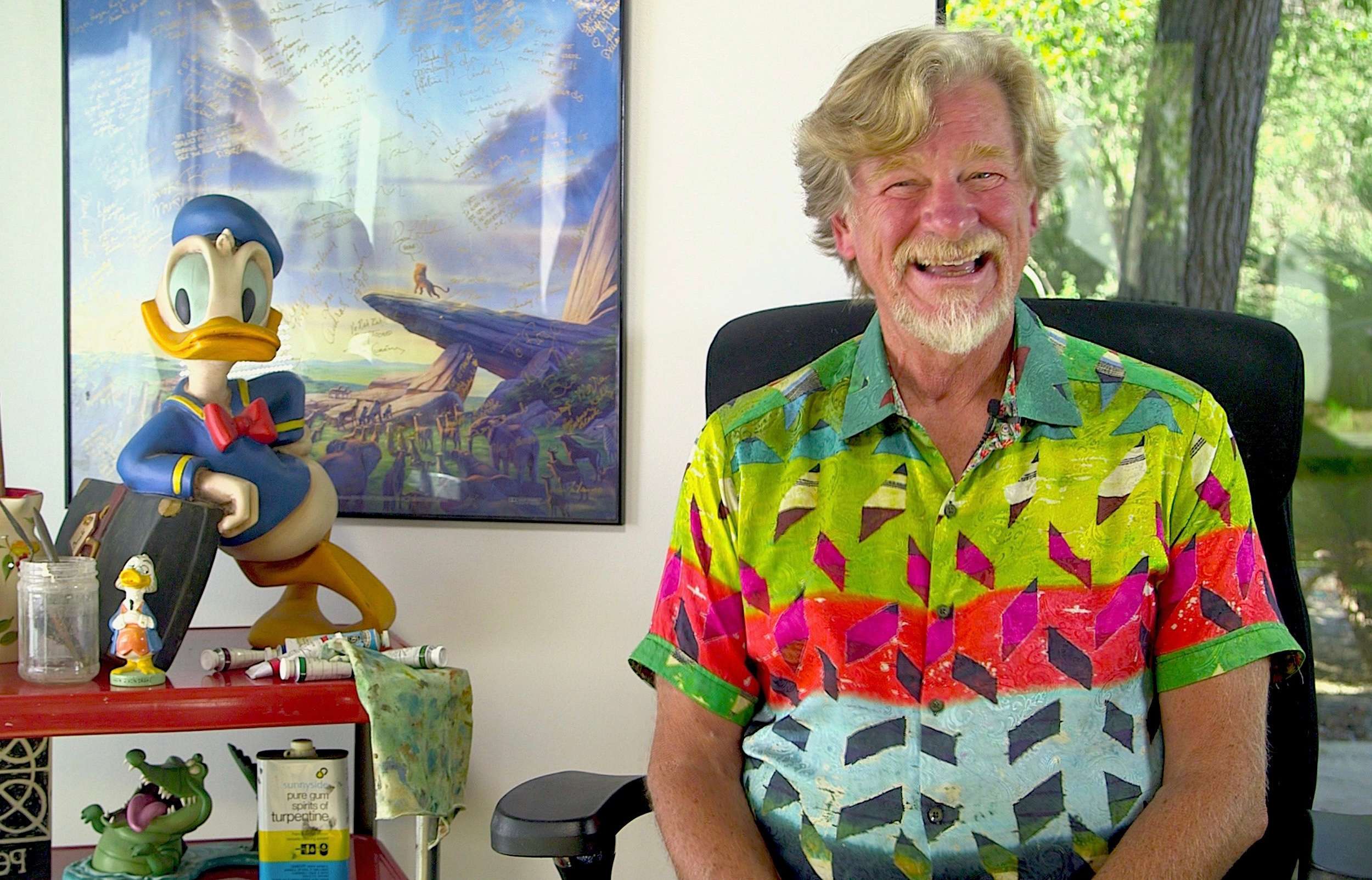
The Storyteller Who Taught Us to Feel: Remembering Roger Allers
The Super Mario Galaxy Movie – Yoshi First Look
Teddy Review: A Sincere Fantasy Adventure Powered by Technology and Heart
Paging Sacred Heart! Our Top 5 Scrubs Reboot Predictions
The Mandalorian and Grogu