
Movie
Is This the Scariest Movie Ever?

It’s been called the scariest movie ever. Or the grimmest, bleakest, and most brutal. The post-apocalyptic drama; Threads, has only been aired three times, its premiere in 1984 (appropriate year), 1985, and 2024 for its 40th anniversary. Threads has also been made available on streaming services. The anniversary has stirred up memories from its initial release which has been dubbed ‘the night Britain did not sleep!’
Threads is a BBC-produced TV movie which explores what would happen if a nuclear bomb was dropped on the English city of Sheffield.
The film is structured like a documentary; with a voiceover speaking to the audience in a clipped, received pronunciation BBC English. The narrator speaks over what is possibly stock footage of a spider weaving its web, or its threads. The narrator explains how in urban society everything connects and how we all rely on one another’s skills to survive. Ominously the narrator points out how fragile these threads are.
THREAD 1 – FAMILY
The film then cuts to our two leads Ruth (Karen Meagher) and Jimmy (Reece Dinsdale). These two young lovebirds are in a car over looking the Sheffield countryside. A fighter jet flies overhead as Ruth remarks how “peaceful” it is. We follow Ruth Beckett and Jimmy Kemp as they navigate an unplanned pregnancy.
The film plays like a ‘kitchen sink drama’. I have heard ‘kitchen sink’ described as an ‘anti-Hollywood’ where everyone has their natural teeth and skin texture. The film looks similar to a British soap opera.
Whilst the narrative at this point just skirts around somewhat boring, it is clear something is playing out globally in the background. We see it on newspaper covers and hear snippets on radios and TVs. There is a situation unfolding in the Middle East with tensions building between the Soviets and the USA. Troops are mobilized and more importantly, nuclear warheads are moved.
And then it happens.
THREAD 2- SECURITY
At almost 50 minutes in, the bomb finally drops. The literal bomb that is. The omnipresent narrator tells us it is 8.30 am in the UK meaning it is 3.30 am in Washington DC; Western response will be at its slowest.
The bomb scene is incredibly powerful. This is where the ‘kitchen sink’ realism really comes into its own. It looks like any other British high street but people are running around screaming looking for shelter amidst the blaring siren. Children are being scooped up from their prams and the panic is palpable. Infamously one businesswoman is staring up at the blooming mushroom cloud rising above the city, the camera pans to see urine running down her trouser leg and pooling at her 80’s white heels.
There is constant screaming as buildings explode, windows smash, and curtains catch fire.
Text informs us that 210 megatons in total fell on the UK with an estimated 2.5 – 9 million casualties.
THREAD 3 – SOCIETY
Ruth exits her parents’ destroyed house to look for Jimmy. In her old neighborhood she is greeted by a horrendous sight. The whole street looks like that of The Blitz; with dead pets and both parents and children looking for each other. A shell-shocked woman covered in ash asks Ruth; “have you seen our Mandy?” she is proffering what looks to be a child’s coat, as if Mandy forgot her coat when going outside to play. A charred corpse with perfect white intact teeth (probably dentures) is embedded into a building. A staring woman is clutching the burnt remains of her infant.
After this, the horrific scenes come thick and fast.
Food has become the new currency and food stores are protected by force. It is here we see the figure who has haunted many viewers nightmares. The armed traffic warden with the bandaged face. Played by an extra who actually was a traffic warden in real life!
Hospitals are overrun with the injured. The harried staff are using sheets as bandages and table salt to disinfect contaminated water. Doctors resorting to amputation with no anesthetic.
THREAD 4 – CHILDREN
Ruth gives birth to a healthy child. A little girl named Jane. Ruth gives birth alone in a barn and has to bite through the umbilical cord. Later, on Christmas Day no less, a group of survivors gathers around a fire in the barn looking like a macabre nativity scene.
But what sort of world has Ruth brought her daughter into? We are told it is ten years later and society has returned to medieval times with the nuclear winter and UV damage affecting the crops. Jane does not call Ruth ‘mum’ only ‘Ruth’ and has no reaction when Ruth finally dies. Are the people in this society so profoundly broken by the sheer amount of loss and trauma that they can no longer form familial bonds? Has that thread been cut?
There is clearly little regard for human life anymore. Jane walks past three corpses hanging in the foreground paying them no attention. Is this a mass suicide or an execution? The corpses are also bare. Have people stolen their clothes to protect themselves from the harsh nuclear winter? Images such as these, shown for mere seconds can tell you so much about the situation.
THREAD 5 – LANGUAGE
In the second half of the film, there is barely any dialogue. Any words spoken by Jane and her peers are some strange form of pidgin English. Many fans have argued that language would not degrade that quickly. However, these children have been brought up by deeply traumatized parents (if they had parents at all). People barely speak anymore and death and disease are extremely common. Is it any surprise that mankind has been brought down to its most basic level? Or is this the cognitive effects of growing up around high levels of radiation?
Many fans comment how Threads gives no hope. But there appears to be a rudimentary school system-cum-workhouse with Jane and her peers watching an old educational video. Although the last scene definitely takes away from the tepid hope we are shown.
SO IS IT SCARY?
Well….as I had heard about the film through cultural osmosis I knew what to expect. I appreciate that during the 80’s, living in the fog of the Cold War, a nuclear holocaust was looking more and more likely. Having a film at that time showing exactly what it would look like if it were to happen in a typical British city would be horrifying.
With the film being set up as a documentary speaking to some unknown in the future, it is interesting when you are watching from the future. Before COVID I would think it was so unrealistic; the way a lot of people didn’t take the crisis seriously until they were practically underneath the bomb. Now I know differently. Everything is fine until it’s not and we don’t tend to tackle a crisis until it is right on our doorstep. Like Mr Kemp with his trousers down on the loo as the bomb went off, we are so ill-prepared. And all the systems (or threads) in place that you thought would protect you, such as the government, are just ill-equipped.
It is an extremely well-done film especially when I learned the budget was £400,000 (about 1.2 million today). The acting is superb and I can see why it’s such an iconic film. In today’s current climate Threads is more relevant than ever. Would highly recommend it.
Five Stars.



Tim Curry and Visibility

Telugu Cinema Goes Direct to U.S. Fans: Nani and Anirudh Ravichander Bring The Paradise to Dallas

Opinion | Ramayana Changes the Game for Bollywood

Marvel Showcase

300 Part 1 vs 300: Rise of an Empire
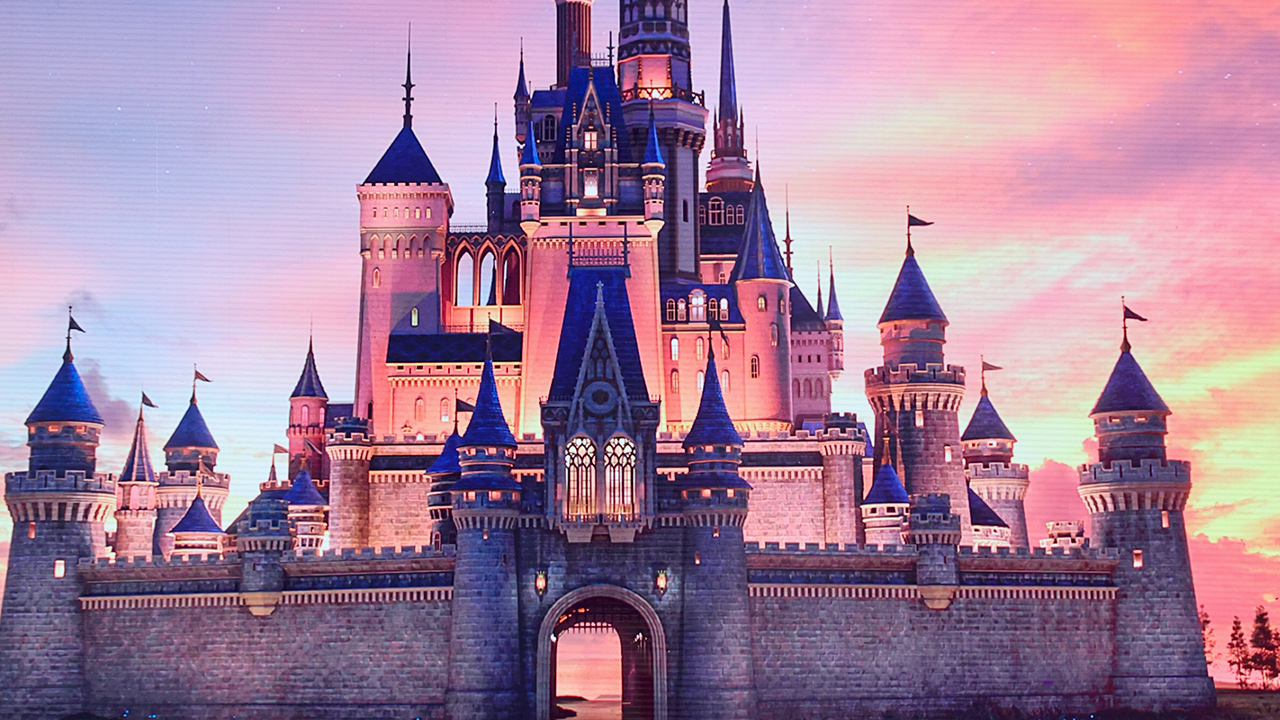
D23 2026 Day One Delivers a Mountain of Disney Reveals, From Avengers: Doomsday and Star Wars: Starfighter to Frozen 3
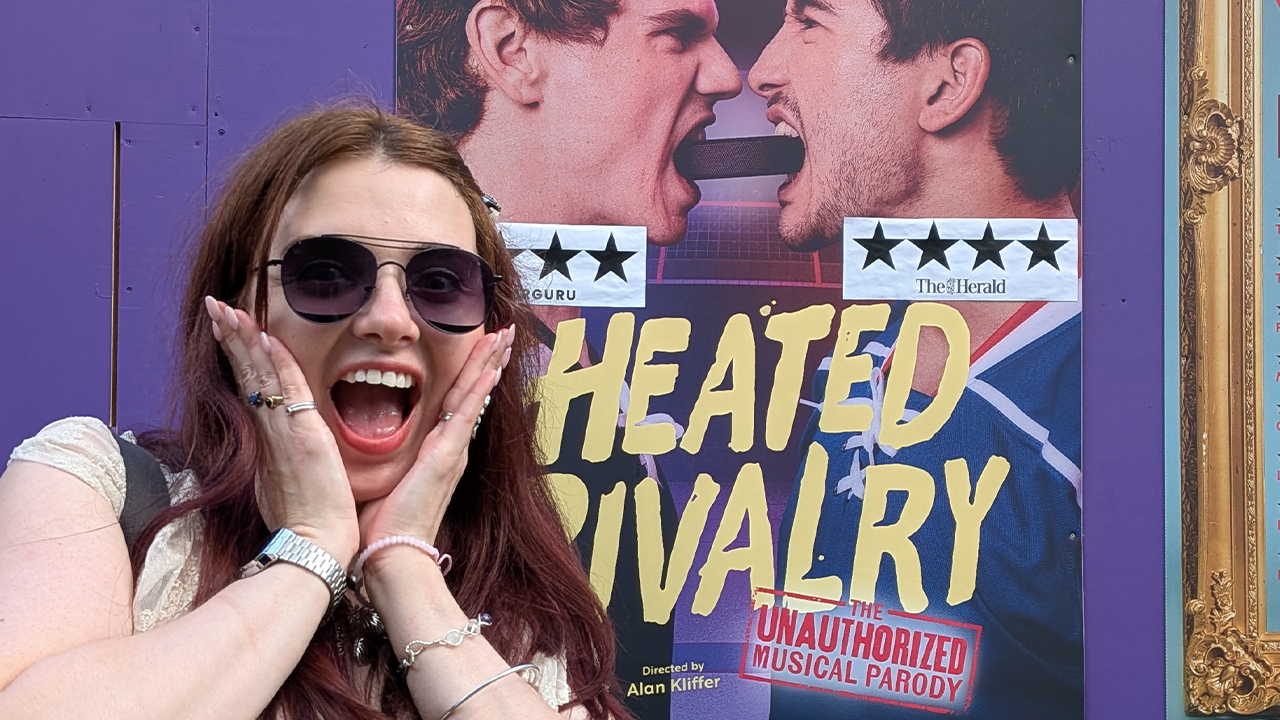
The Edinburgh Fringe Gets Heated!

PAW Patrol: The Dino Movie Review: A Prehistoric Adventure That Feels Like Thunderbirds for a New Generation
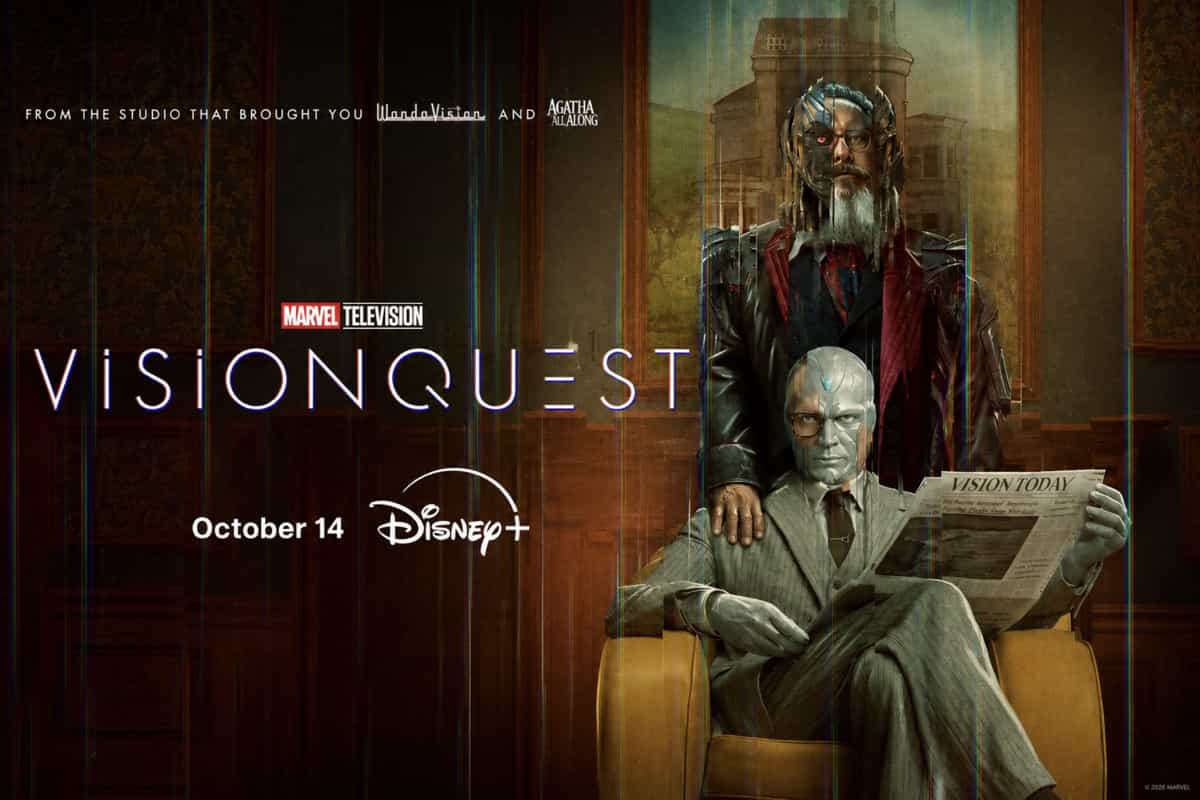
Welcome home, Vision.
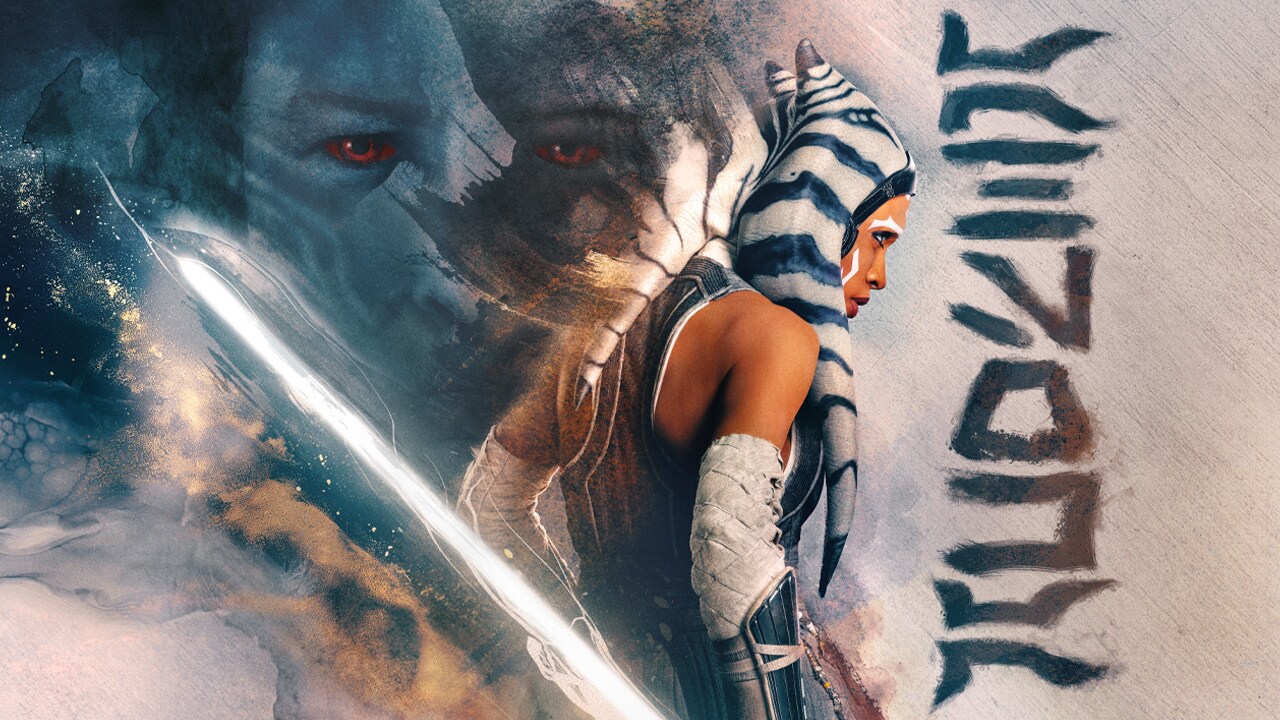
Are you a Jedi… or not?
Reassemble the team & relive the experience as Avengers Endgame: Encore
Ambition can’t be tamed…

Watch the first teaser trailer for The Bluey Movie, coming exclusively to theatres August 6, 2027!
Welcome home, Vision.
Are you a Jedi… or not?