
TV
Why Reboots (Sometimes) Don’t Work

In our current climate of political, economic, and ecological instability, it’s completely understandable that people want to relive their favourite comfort shows. And with capitalism being what it is, production companies are more than happy to pour thousands of dollars into the revival/reboot of a classic show. Everyone’s a winner…or are they?
Are audiences really getting what they want? Taking, for example, the Sex and the City reboot: And Just Like That… It’s strange to call a series currently in its third season a flop, and technically, it isn’t. However, nobody seems to enjoy the reboot. Many fans of the original admit they are hate watching the new show. And obviously HBO doesn’t care because hating eyeballs are still eyeballs watching the show, which means the series will keep getting renewed. There are hundreds of YouTube essays critiquing the reboot, and even the show’s subreddit is filled with criticism. No such thing as bad publicity, right?
AJLT has the same problems that the majority of reboots suffer from. One such problem is the Flanderization of characters. Flanderization is when a character’s dominant traits are exaggerated and take over their entire personality (usually for desperate humour) to the point where the characters become caricatures of themselves. The phrase comes from the treatment of the character Ned Flanders in The Simpsons.
AJLT’s star Carrie (Sarah Jessica Parker) seems to be more unbearable than ever, with even more squealing. Charlotte is even more the wide-eyed, gesticulating Park Avenue princess. Many fans have commented how Kristen Davis (who plays Charlotte) seems to have either forgotten how to act or has forgotten how to inhabit Charlotte. And that is yet another facet of reboots; is it a challenge for actors to reprise a role?
Viewers of reboots complain that characters seem ‘off’. Despite usually being played by the same actors and written by the same writers as the original show. But time moves on, and people change as artists, and as people. Circumstances change, and the cultural zeitgeist certainly changes. It takes very clever and in-tune writers to supplant these characters into our modern world.
Viewers of the Will & Grace reboot (2017-2018) complained that the much-loved characters felt stilted and the jokes missed the mark. This may have been partly due to reported backstage conflicts or…
When Will & Grace first graced our screens in 1998, they were one of the only primetime shows that boasted gay main characters. The original show explored these ‘alternative’ lifestyles with wit, humour, and empathy. Flashforward to 2017, and this is not the case anymore; there are many, many shows exploring the lives of people in the LGBTQA+ community. Will & Grace is not unique anymore, the same way that Sex and the City is not one of the few sexually liberated shows anymore. In the writer’s defence, both shows did try to work from the angle of these, now middle-aged, characters trying to fit into this new world, leading to ‘hilarious’ situations. But as the reboots progressed, both shows fell back into old writing patterns. This made the reboots feel stale, uninspired, and just downright old-fashioned!
Reboots also have to wrestle with the idea of ‘woke’. Being aware of racial and social justice issues has become a hot-button topic. Modern shows agonize between wanting not to be seen as ‘too woke’ or ‘not woke enough’. The original run of SATC was not particularly diverse. Starring four white, middle-class, heterosexual, cis-gendered women, ironically in one of the most culturally diverse cities in the world. Clearly, the creators were aware of these criticisms and tried to course correct. Too much, as it turns out; when every new character is a POC or non-binary it comes off as a bit disingenuous.
Another problem with reboots is that the creators feel the need to shoehorn their own personal beliefs (whether that be political or cultural) into the show. Now, I am a great believer that art should have a purpose and has the ability to change people’s minds. However, that is not carte blanche for blatant agenda pushing, no matter how good the agenda may be! Particularly during such a politically divisive time. The much-awaited Roseanne reboot (2017) cleverly used this political divide to reintroduce characters. Speaking of Roseanne…
Real-world drama effects reboots. The Roseanne revival was cancelled after the show’s namesake and star, Roseanne Barr, made alleged racist remarks on Twitter (X). However, instead of the reboot dying like its once popular main character, the reboot was renamed (The Conners) and went on with the original cast without Barr. The Conners went on to be incredibly successful with an impressive seven seasons! Despite Barr signing over the rights to her show, there is quite a lot of bad blood.
AJLT has also been mired in controversy between Sarah Jessica Parker and Kim Cattrall’s feud, and more seriously, actor Chris Noth’s SA allegations. Noth played Carrie’s love interest in the show: ‘Mr Big’. In 2021, a week after the premiere of AJLT, two women accused the actor of SA. Despite reprising his role on the reboot, his character dies in the first episode. Even with Noth gone, the situation still hangs like a spectre over the production.
With so many reboots in the pipeline, many long-time fans feel apprehensive about their favourite shows. Especially since many shows had the perfect finale. Many fans expressed their disappointment in the 2023 revival of Futurama for its Flanderization of beloved characters and tainting the original show’s beautiful finale. Will & Grace retconned their original finale in the first two minutes of the reboot.
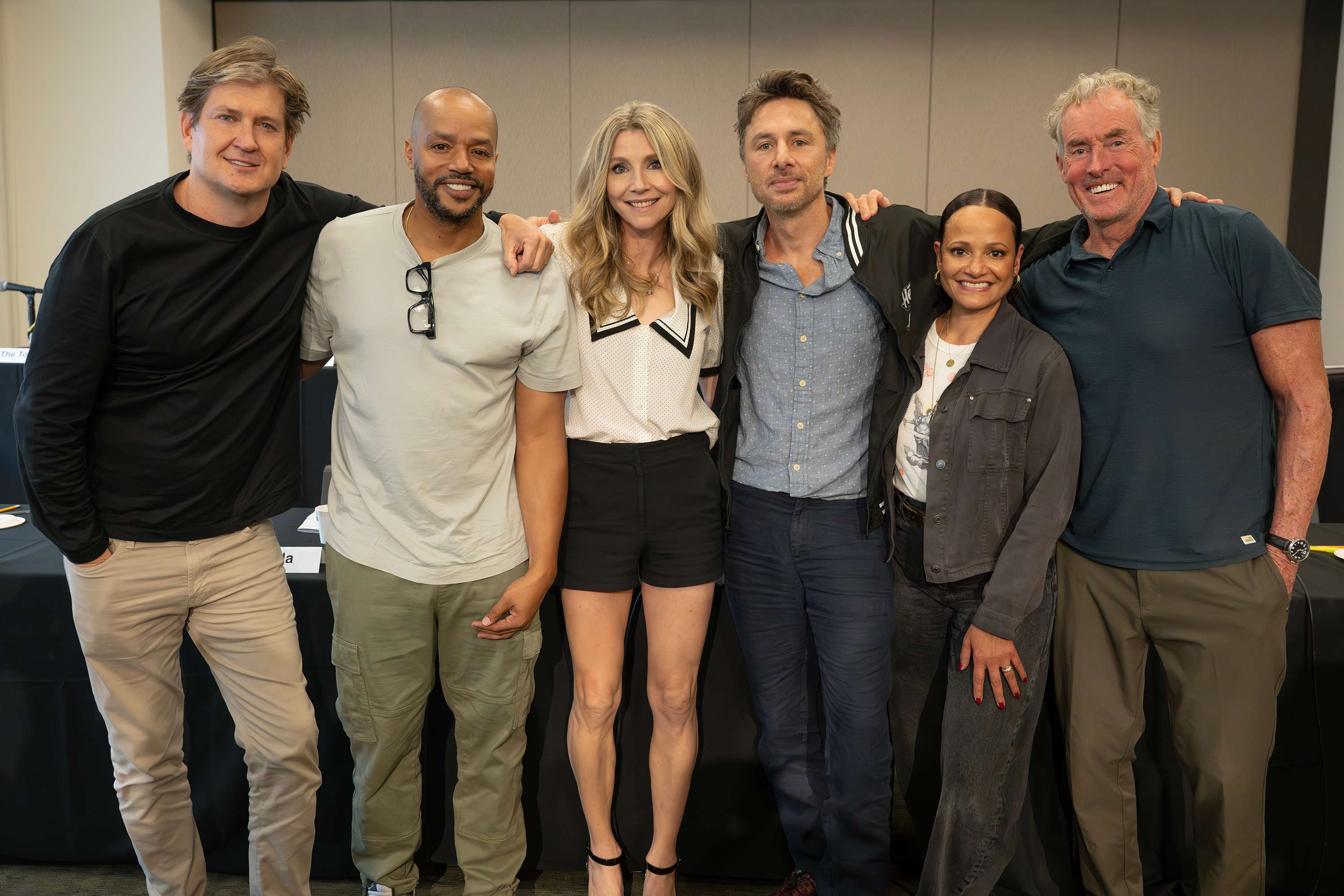
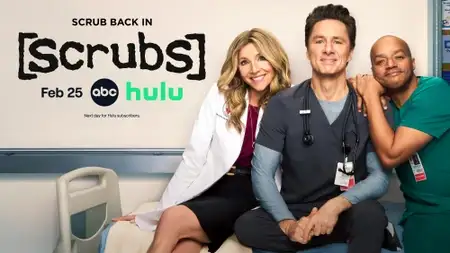
I’m as excited as anyone else for the Scrubs and Buffy reboots, but it’s important for the writers to remember that,t despite already achieving success and having a built-in audience, they still have to stay true to their original visions! These shows were cultural touchstones for a reason; their original brilliance needs to shine through into the modern era.


Rooster on HBO: Worth the Watch?
Pixar’s “Hoppers” Is a Wild, Eco-Sci-Fi Comedy That Recaptures the Studio’s Playful Spirit
First Hunts are the Worst
Sacred Heart Gets Older, Wiser… and Nostalgic
Iron Man The Risk That Built an Empire
Paging Sacred Heart! Our Top 5 Scrubs Reboot Predictions
Sacred Heart Gets Older, Wiser… and Nostalgic
Hero or Hollywood Satire? Why Wonder Man Isn’t What You Expect
Peaky Blinders: The Immortal Man
Iron Man The Risk That Built an Empire