
Movie
The rise of Japanese anime in India

In recent years, the Indian entertainment landscape has witnessed a remarkable surge in the popularity of Japanese anime, leading to an increasing demand for localized content. Recognizing this trend, several platforms have begun offering anime dubbed in regional Indian languages such as Hindi, Tamil, and Telugu, making these captivating stories more accessible to a broader audience.
Streaming services have played a pivotal role in this cultural integration. For instance, Animedub.pro provides a vast collection of anime dubbed in languages including Hindi, Telugu, Tamil, Malayalam, and Bengali. Popular series like “Naruto,” “My Hero Academia,” and “Jujutsu Kaisen” are available in these regional languages, allowing fans to enjoy content in their preferred dialects.
Similarly, Crunchyroll, a leading anime streaming platform, announced a slate of Hindi, Tamil, and Telugu dubs for series such as “Dr. STONE,” “BLUE LOCK,” and “Haikyu!!” between May and June 2024, further catering to the diverse linguistic demographics of India.
The success of dubbed anime is significantly attributed to the talented Indian voice artists who bring these characters to life. Notable examples include:
Prasad Barve: Renowned for voicing Ash Ketchum in the Hindi version of “Pokémon” during the early 2000s, Barve’s portrayal became iconic among Indian audiences.
Sonal Kaushal: Known as ‘The Motor Mouth,’ Kaushal has been the Hindi voice of Doraemon since 2005, endearing herself to a generation of viewers.
Ankur Javeri: Celebrated for his portrayal of Goku in the Hindi dub of “Dragon Ball Z,” Javeri’s performance has electrified fans at events like Zee Cafe’s Anime Fest.
Javed Jaffrey: While not an anime series, Jaffrey’s humorous narration of the Japanese game show “Takeshi’s Castle” in Hindi showcased his versatility and contributed to the show’s cult status in India.
The localization of anime through regional dubbing has not only broadened the genre’s appeal but has also fostered a deeper cultural exchange between India and Japan. By experiencing stories that blend universal themes with distinct cultural nuances, Indian audiences have developed a greater appreciation for Japanese storytelling. This trend has also opened new avenues for Indian voice artists, providing them with opportunities to showcase their talent and connect with audiences nationwide.
In conclusion, the dubbing of Japanese anime into Indian languages like Hindi, Tamil, and Telugu signifies a harmonious blend of cultures, enriching the entertainment experiences of audiences and paving the way for a more inclusive media landscape.

First Hunts are the Worst

Sacred Heart Gets Older, Wiser… and Nostalgic

Iron Man The Risk That Built an Empire
Hero or Hollywood Satire? Why Wonder Man Isn’t What You Expect

Paging Sacred Heart! Our Top 5 Scrubs Reboot Predictions
Paging Sacred Heart! Our Top 5 Scrubs Reboot Predictions
Sacred Heart Gets Older, Wiser… and Nostalgic
Hero or Hollywood Satire? Why Wonder Man Isn’t What You Expect

Peaky Blinders: The Immortal Man
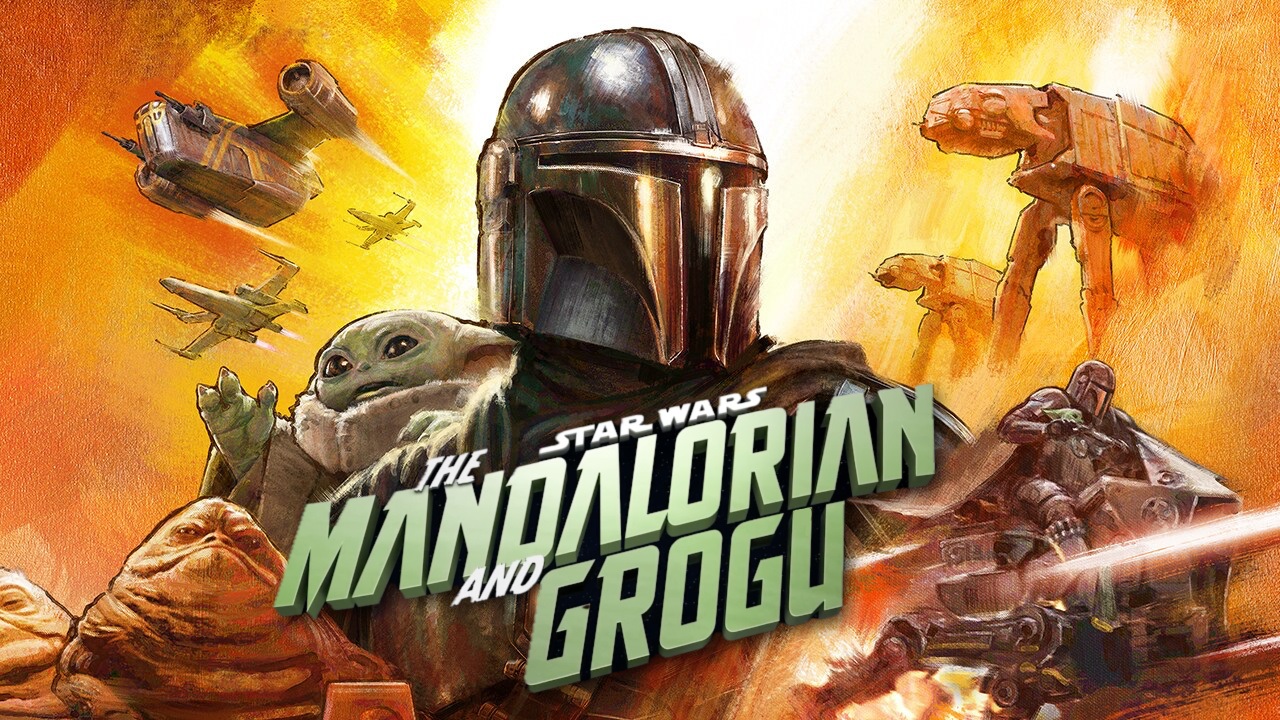
The Mandalorian and Grogu