Streaming
The Modern Frankenstein

Guillermo Del Toro’s much-anticipated interpretation of Frankenstein is available on Netflix (and selected cinemas). As expected from the famed filmmaker, it is a fantastical submersion into a breath-takingly beautiful gothic landscape filled with interesting and odd characters. Despite the magical backdrop, Del Toro’s characters, as always, are all too human. This is fitting for a film that questions the boundaries of humanity and existence.
Del Toro had been wanting to make Frankenstein for over 25 years and was quoted as saying that the book is ‘part of his DNA’ (Weiss, 2025). Though not a completely faithful adaptation to the 1818 novel by Mary Shelley, Frankenstein; or The Modern Prometheus. Del Toro’s film certainly shares a lot of the deep themes of the original.
Much like Shelley’s, Del Toro’s ‘The Creature’ is not a green-hued, squared-headed, monosyllabic monster. The cultural zeitgeist’s image of Frankenstein’s monster comes from the 1931 film, Frankenstein. Instead, The Creature has the soulful eyes and ethereal movements of its actor Jacob Elordi.
The talented Mr Elordi has been the talk of the internet for many of his chosen roles over the years. The Australian hunk may not be the obvious choice for a macabre, stitched-together, abomination. Before the film’s release, many speculated that the actor was just too stereotypically attractive to pull off such a role. However, Elordi proved his naysayers wrong by imbuing The Creature with a fragile intensity and naivety, which makes for an uneasy contrast with his brutish strength and sickening violence. At 6’4 “, he uses his impressive height as The Creature to ominously loom over the rest of the cast, awkwardly contorting his long limbs as if he’s not quite sure how they function. Elordi is completely believable as a vivisected being that’s just learning the world around him. We watch as The Creature learns to speak and communicate under the harsh tutelage of his creator, Victor Frankenstein, played by Oscar Issac.
As many will already know, Frankenstein is not the name of the ‘monster’ but of its creator and maudlin scientist. Issac perfectly encapsulates the brash determination and callous nature of the main role. Victor Frankenstein is arrogant and cruel towards his own creation. To steal a line from Disney’s Hunchback of Notre Dame, Frankenstein asks us: ‘Who is the monster and who is the man?’ Victor shows a callous disrespect towards human life (even his own). We witness this as he casually browses the men waiting for their public execution, looking for his specimens. Victor carelessly throws around the limbs of collected fallen soldiers when he is sewing together The Creature. This man is careless, unhinged, and entirely too aware of his own brilliance. But when Victor pulls off the unimaginable and actually animates The Creature, the pivotal scene, which, much like the book, is powerful in its surprising subtlety.. The film repeatedly uses mirrors to frame Victor and force him to confront his own monstrosity.
Frankenstein, the novel, has been championed as a feminist masterpiece. Not only because of its female author but also because of the themes that it portrays. Both book and film explore the male obsession with propagation and lineage, and how females are succinctly removed from it. Victor is obsessed with the idea of reclaiming his family name from his abusive father. The Creature longs for Victor to make him a companion so that The Creature is no longer alone in his immortality. Victor is horrified at the thought of The Creature reproducing and creating more like ‘it’. After all, only certain people should be allowed to create life.
Much like the novel, there are notably few female characters in the film. However, it is the women who trigger the film’s major events. Both of the female leads are played by Mia Goth. There is Frankenstein’s mother, whose death encourages young Victor’s vow to conquer death and its limitations. And Elizabeth, Victor’s love interest, is engaged to his younger brother. It’s Elizabeth’s feminine empathy with The Creature that spurs Victor to lash out and ultimately distance himself from his own tortured creation. The movie’s use of veils obscuring Goth’s features could be interpreted as how, historically, women were forcefully married to the patriarchy and entwined with whatever man (or creature) circumstances saw fit to join her with. The little agency Elizabeth is given in the film is quickly commandeered by its male characters.
2025’s Frankenstein is not a horror movie but a gothic fairytale layered with real-world issues of today and times past. What does it mean to be human, and who gets to create or quantify that? As we step into the world of AI, is Shelley warning us from centuries past about the dangers of manufactured life?
Five stars (and a pat on the head).





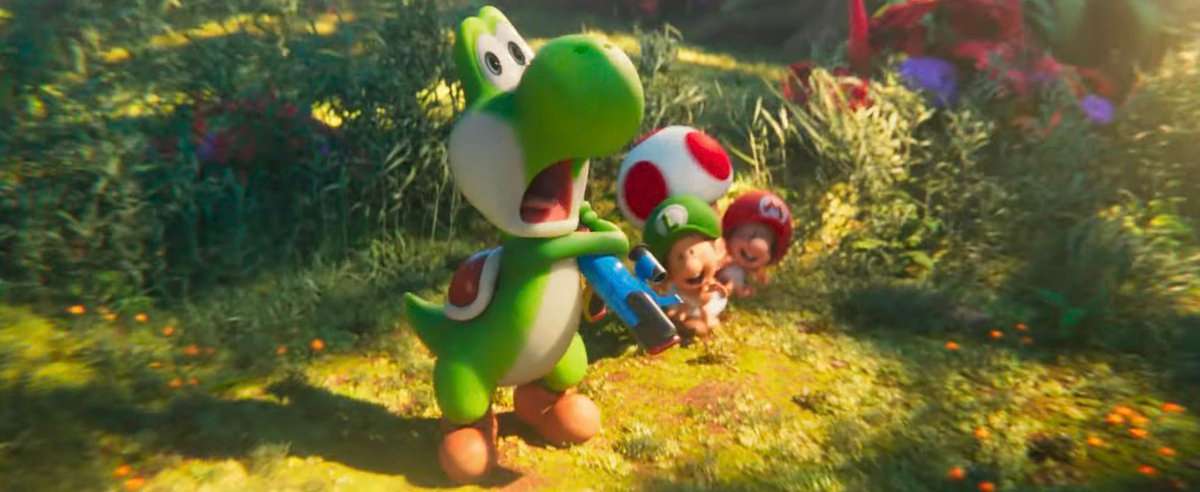
The Super Mario Galaxy Movie – Yoshi First Look
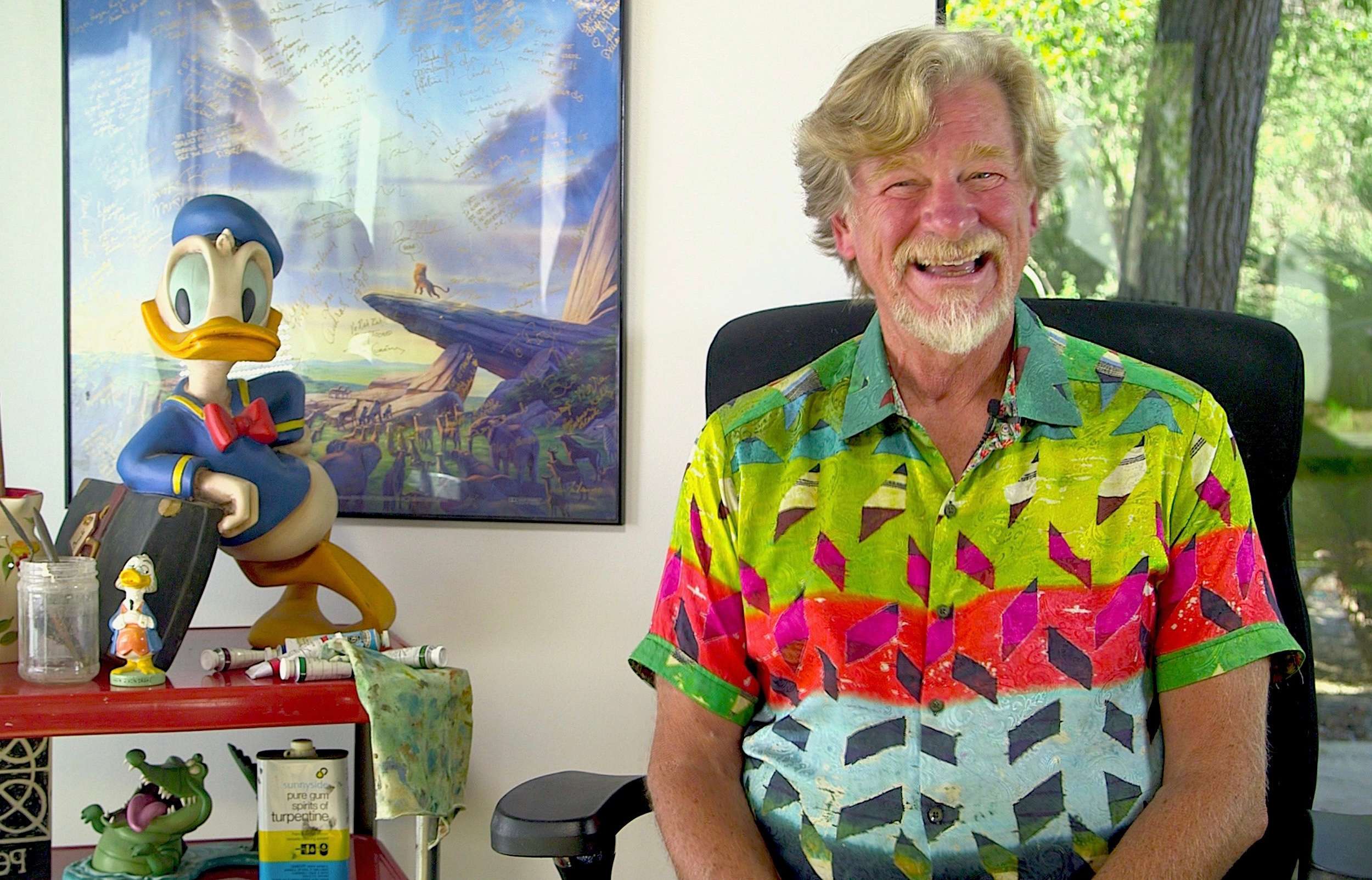
The Storyteller Who Taught Us to Feel: Remembering Roger Allers
Supergirl: NEW TRAILER ‘Lobo’
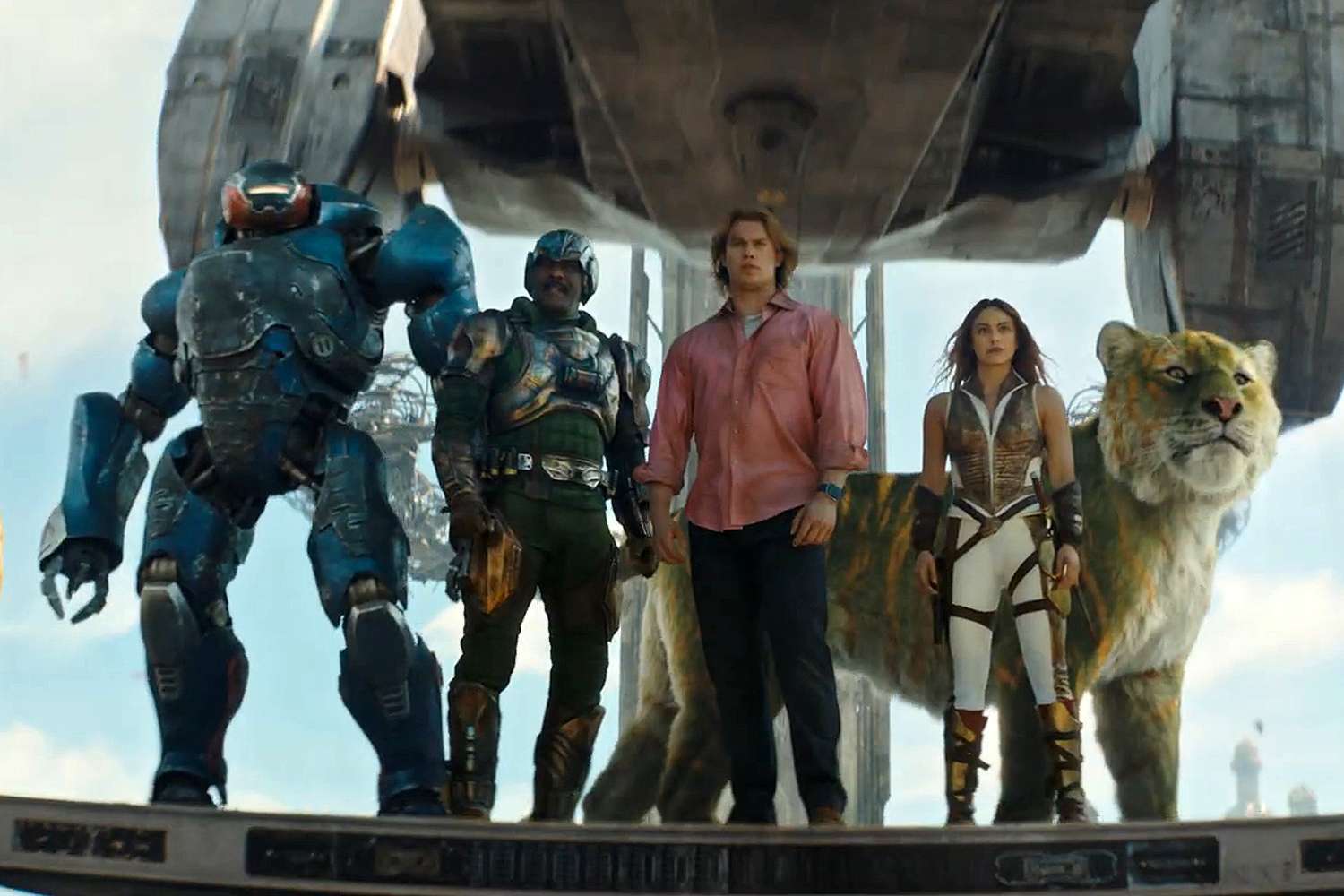
Masters Of The Universe | Teaser Trailer
Star Wars: Maul – Shadow Lord | Official Teaser Trailer

DeAr Movie Review: A Promising Premise Let Down by Uneven Storytelling
It’s okay to be not okay Netflix
Most Eligible Bachelor
ARM (Ajayante Randam Moshanam) Review: A Bold Mythological Epic Spanning Generations
Brahmāstra: Part One – Shiva Review: A Dazzling First Step Toward India’s Mythological Cinematic Universe
The Super Mario Galaxy Movie – Yoshi First Look
Supergirl: NEW TRAILER ‘Lobo’
Masters Of The Universe | Teaser Trailer
Star Wars: Maul – Shadow Lord | Official Teaser Trailer
Lee Cronin’s The Mummy Official Trailer