Events
SDIFF 2025 : Rental Family I am still here
A struggling American actor living in Tokyo finds new purpose in a very different acting gig, as part of a “rental family” agency, where he plays stand-in roles for strangers.
Brendan Fraser is a wonderful actor who dominated beloved comedic and occasional action roles in the late 90s, and is now enjoying a comeback surge with his success in The Whale. We know any role he decides to take on is going to have him playing a character with a giant heart, and Rental Family is no exception. Make sure your notes are all in place, and let’s dive into this!
So Phil (Fraser) is here in modern-day Tokyo, gamely slogging his way from one audition to the next, never turning down gigs no matter how small or racist, coasting on the tiny success he had as a plaque-fighting toothpaste-commercial hero, and that was years ago. Phil is large and very White and has these big ole expressive blue eyes, all over giving the impression of a
well-meaning and mildly bumbling dog, like a golden retriever or something. And all that earnest heart Phil has to give, he throws into every single gig he gets, every audition, every rejection, convinced that a big break is coming if he just keeps working at it.
After a very weird “sad American” funeral role gig, Phil meets Shinji (Takehiro Hira) and finds himself being talked into working for the Rental Family business Shinji runs – “Providing perfect happiness.” As Shinji explains it, there are people all over Tokyo who have large people-sized holes in their lives, who need to be seen and acknowledged as I am here, even if its not from the person they so desperately desire it from. It could be a son who needed to hear the most important three little words from his father, who passed away years ago; it could be a step-in son who wants nothing more than to bake cakes with his mom; it could be a best friend who ghosted you years ago, acting as your Best Man. The point is to be something, someone; these people need to sell that illusion for as long as they’ve hired Phil for. Shinji points out that mental health issues are greatly stigmatized in this country, and how Phil is providing a series of damn near therapeutic services by taking these stand-in roles.
Phil’s first gig with the Agency happens to be as a Canadian stand-in husband for a woman enduring a proper Japanese wedding with her large, feudal-minded family. As Phil agonizes over whether or not he can pull off the role and lie for a day to all these very proper Japanese folk, his cowardice sending his coworkers Aiko (Mari Yamamoto) and Kota (Kimura Bun) into a frenzy of cover-ups, Phil is forcibly reminded that this strange new job really does provide perfect happiness – the brides family got their traditional Japanese wedding with all sorts of distinguished guests and fancy bridal kimono and all that, and when that’s all over and done with, the bride herself gets to be with her girlfriend.
Next up is the role of an absentee father to a little girl, Mia Kawasaki (Shannon Gorman), hired by her mother (Shino Shinozaki), in order to get Mia into a very prestigious and selective private school. Phil is informed he has three weeks to prepare for the role, but Mia has to truly believe Phil is her father, so that she won’t be acting during the private school series of tests and interviews. And if Phil thought playing a Canadian groom in front of a bunch of respectable Japanese elders was hard, this method of attempting to bond with a precocious little girl whose scar that her daddy was never around is still fresh, and is miles harder.
Phil gets hired to a gig where he pretends to be a journalist who wants to interview the aged performer Kikuo Asegawa (Akira Emoto), hired by his well-meaning daughter, who wants to make Kikuo feel relevant and, say it with me, seen again. It certainly helps when it turns out Phil is already a fan of Kikuo’s body of work before being hired for the job, and the ancient actor and the younger one bond over cups of tea and Kikuo’s reminisces. Of course, his memories inevitably turn back to his hometown somewhere far away, and the desire to go back there before he dies arises, wanting to include Phil the bogus journalist in the best of all road trips back home. And while Kikuo may be starved for home, he’s also a very old and frail man, and Phil has no idea what to do if Kikuo were to be hurt on said trip, so nothing like that is any kind of good idea.
A montage of other jobs wherein Phil helps humans form the connections they were missing, letting others feel seen and smile for the first time in what feels like forever, is a big boost to Phil’s own confidence. Yes, it’s all an act that Phil’s getting paid for, but the look of sheer relief on his varied clients’ faces when they finally get that connection that had been missing makes a pretty lie a salve for the weary spirit. Though his colleague Akiko, who does solo rent jobs that specialize in things like “apology services”, would likely disagree entirely, especially when she comes into work sporting fresh bruises.
Everything comes to a head when Mia finds out the truth, as we knew she would at some point, and has a mild, if understandable, tantrum. Mia’s mom and Phil make it through the school interviews with flying colors, mainly because of the care with which Phil has shown this particular Mia acting gig. And afterward Phil, buoyed by the dubious success of the previous job, decides to break Kikuo out and go on that road trip to his hometown and damn the consequences anyfreakingways.
The film has so many lovely and heartwrenching scenes, most of which involve Fraser being a big lovable stage queen and the golden retriever licking your face. The connections we miss so desperately, how far we’re willing to go to help each other, and the dreams out there somewhere of loving the work you do, are all warmly explored in the film, with the vibrant city of Tokyo as a backdrop.

Rooster on HBO: Worth the Watch?

Pixar’s “Hoppers” Is a Wild, Eco-Sci-Fi Comedy That Recaptures the Studio’s Playful Spirit

First Hunts are the Worst
Sacred Heart Gets Older, Wiser… and Nostalgic

Iron Man The Risk That Built an Empire

Paging Sacred Heart! Our Top 5 Scrubs Reboot Predictions
Sacred Heart Gets Older, Wiser… and Nostalgic

Peaky Blinders: The Immortal Man
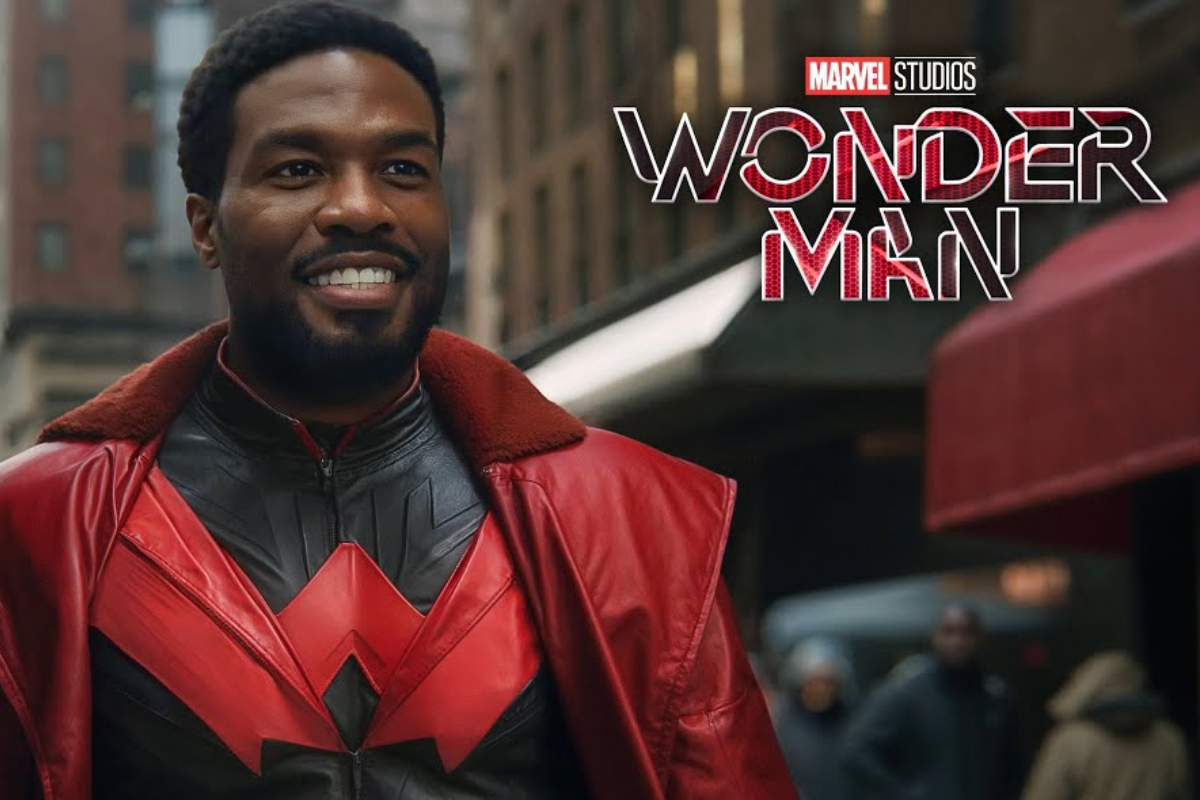
Hero or Hollywood Satire? Why Wonder Man Isn’t What You Expect
Iron Man The Risk That Built an Empire