
Movie
Johnny Depp Delivers a Dark and Haunting New Take on a Christmas Classic

Charles Dickens’ A Christmas Carol has been retold countless times, but every generation seems to find a new way to revisit the story of redemption, greed, and the true meaning of Christmas. With Ebenezer, audiences are invited into a darker, more atmospheric interpretation of the beloved literary classic, with Johnny Depp stepping into the iconic role of Ebenezer Scrooge. The result is a reimagining that trades some of the traditional holiday warmth for gothic atmosphere, psychological tension, and a haunting look at one man’s troubled soul.
Set against the shadowy streets of Victorian London, Ebenezer embraces a dark, stylized aesthetic that gives Dickens’ familiar tale a fresh cinematic identity. Rather than simply recreating the traditional Christmas story, the film leans into the unsettling elements of Scrooge’s journey, exploring the loneliness, bitterness, and emotional scars that have shaped him into the miserly businessman audiences know.
At the center of the film is Johnny Depp, whose performance as Ebenezer Scrooge brings an intriguing dimension to one of literature’s most recognizable characters. Scrooge is a complicated figure, a man consumed by wealth and resentment who has built emotional walls around himself. Depp is particularly well suited to characters who exist somewhere between the eccentric and the deeply troubled, making his casting an interesting choice for this darker interpretation.
His portrayal gives the character an opportunity to move beyond the familiar image of a grumpy old miser. Scrooge’s transformation becomes a psychological journey, forcing audiences to confront the experiences and choices that have turned him against the world around him.
The supernatural elements of the story provide the film with some of its most compelling opportunities. Ian McKellen brings considerable screen presence to Jacob Marley, whose ghostly appearance sets the tone for Scrooge’s extraordinary Christmas Eve. Meanwhile, Andrea Riseborough as the Ghost of Christmas Past and Tramell Tillman as the Ghost of Christmas Present help guide Scrooge through the memories and uncomfortable truths he has spent a lifetime avoiding.
Rupert Grint also joins the ensemble as Bob Cratchit, offering an important emotional counterpoint to Scrooge’s cold and calculating worldview. Sam Claflin and Daisy Ridley round out an impressive cast that adds further depth to this reimagined Dickensian universe.
One of the film’s most interesting creative decisions is bringing filmmaker Ti West on board as director and editor. Known for his atmospheric approach to storytelling and ability to build tension through visual composition and carefully controlled pacing, West offers a distinctive perspective on material that has traditionally been associated with family-friendly holiday entertainment.
Working from a screenplay by Nathaniel Halpern, West approaches the familiar narrative through a darker cinematic lens. Victorian London becomes more than just a historical backdrop. Its fog-covered streets, imposing architecture, and shadowy interiors reinforce the isolation and emotional darkness surrounding Scrooge.
The film’s visual style gives the story a gothic identity, allowing the supernatural encounters to feel unsettling while maintaining the emotional foundation of Dickens’ original work. West’s editing also contributes to the film’s atmosphere, helping shape Scrooge’s journey through past, present, and future into a cinematic experience that feels mysterious and occasionally disturbing.
What makes Ebenezer compelling is its willingness to revisit a story audiences already know while exploring its darker emotional territory. At its heart, A Christmas Carol has never simply been about Christmas ghosts. It is a story about regret, accountability, compassion, and the possibility that even the most hardened person can change.
The challenge with any new adaptation is finding a reason for audiences to experience the story again. This version benefits from its distinctive visual approach, an accomplished ensemble, and Depp’s casting in a role that demands both theatricality and emotional complexity.
Although the darker atmosphere may not appeal to viewers looking for a traditional, feel-good Christmas movie, it gives the production a personality of its own. The gothic presentation creates a different kind of holiday experience, one that emphasizes the frightening consequences of a life spent without kindness or human connection.
The film’s greatest strength is its recognition that Scrooge’s redemption must mean something. His journey is not simply about being frightened by three supernatural visitors. It is about confronting the damage he has caused and recognizing that there is still time to make things right.
Ebenezer offers a strikingly different approach to one of the most beloved Christmas stories ever written. With Johnny Depp taking on the legendary Scrooge, Ian McKellen adding gravitas as Jacob Marley, and Ti West bringing his signature atmospheric filmmaking sensibilities to Victorian London, the film has the ingredients for a memorable cinematic experience.
Its darker tone and stylized presentation distinguish it from the many adaptations that came before it. While audiences expecting a traditional Christmas fairy tale may find this interpretation a little more unsettling than comforting, those willing to embrace a gothic retelling will find plenty to appreciate.
Ultimately, Ebenezer reminds us that Dickens’ message remains timeless: wealth cannot replace human connection, bitterness can consume a lifetime, and redemption is always worth fighting for.
With Johnny Depp leading an impressive ensemble and Ti West putting a darker spin on a literary classic, Ebenezer earns a strong recommendation. Sometimes the ghosts of Christmas past, present, and future need to be a little more frightening to remind us what truly matters.
★★★★☆ 4/5 Stars





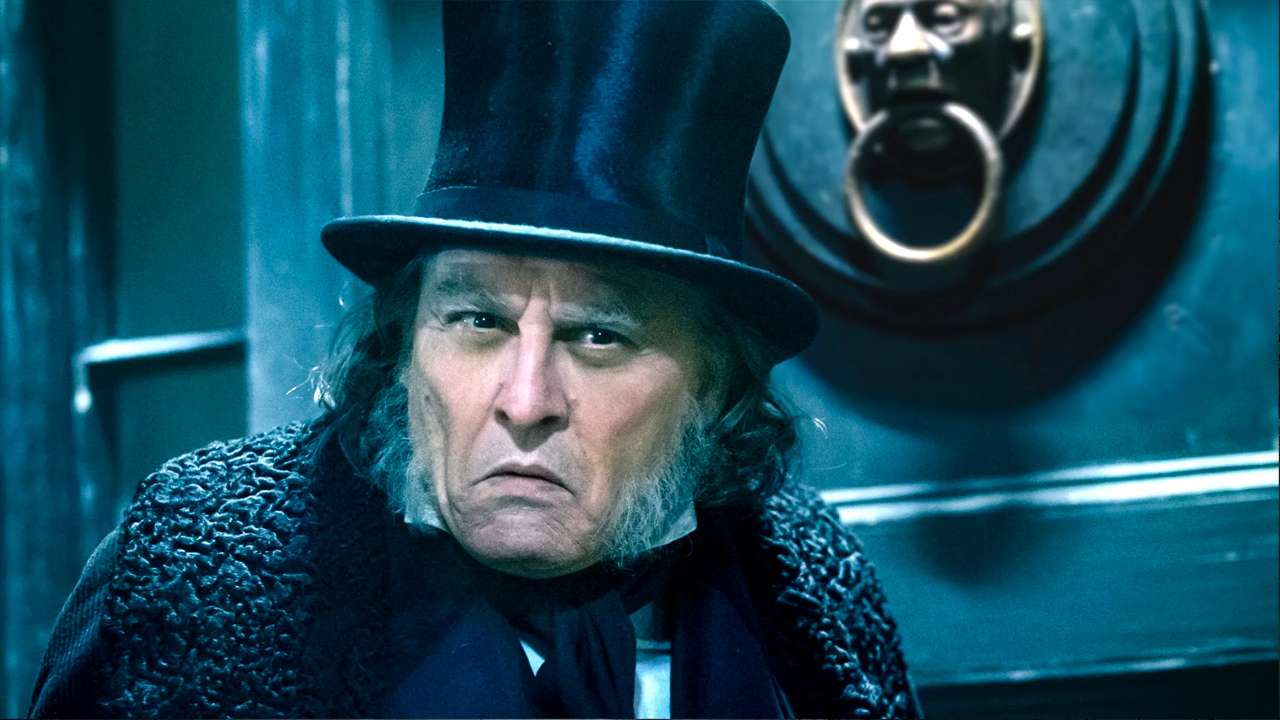
Johnny Depp Delivers a Dark and Haunting New Take on a Christmas Classic

Jailer Retro Review

Dhurandhar is a gripping spy thriller
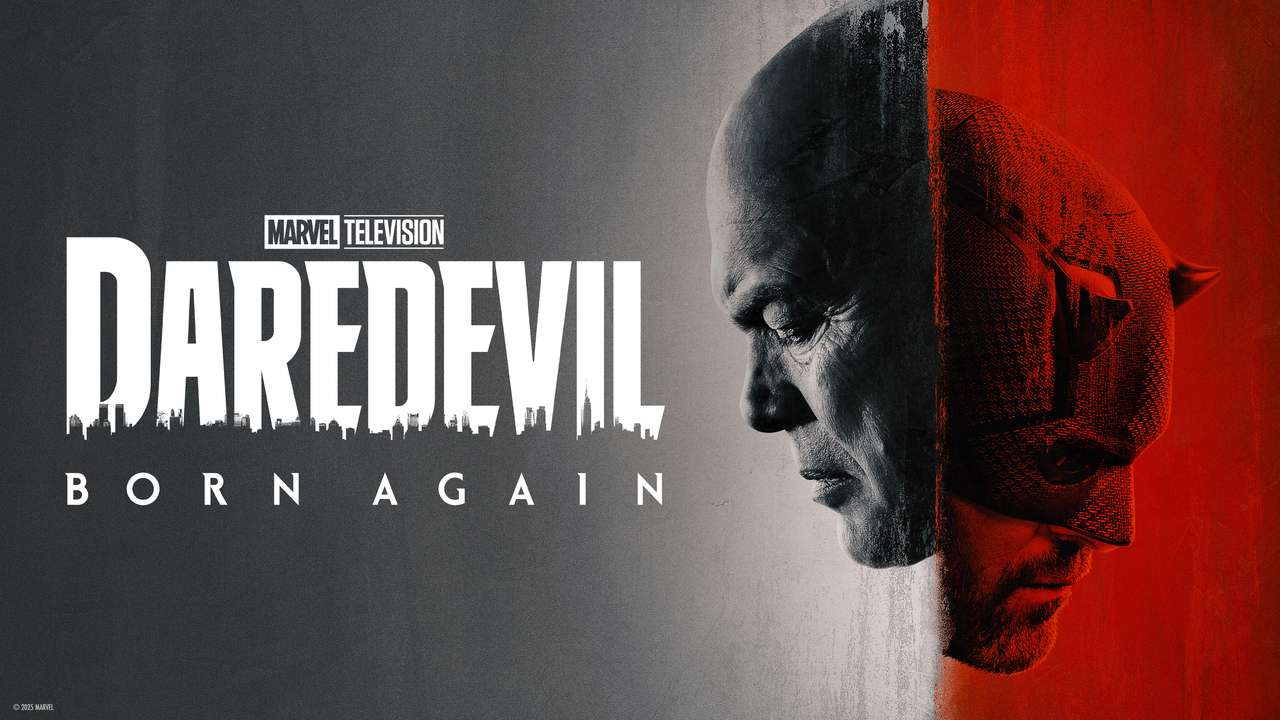
Daredevil is a gripping superhero series with excellent action and performances.
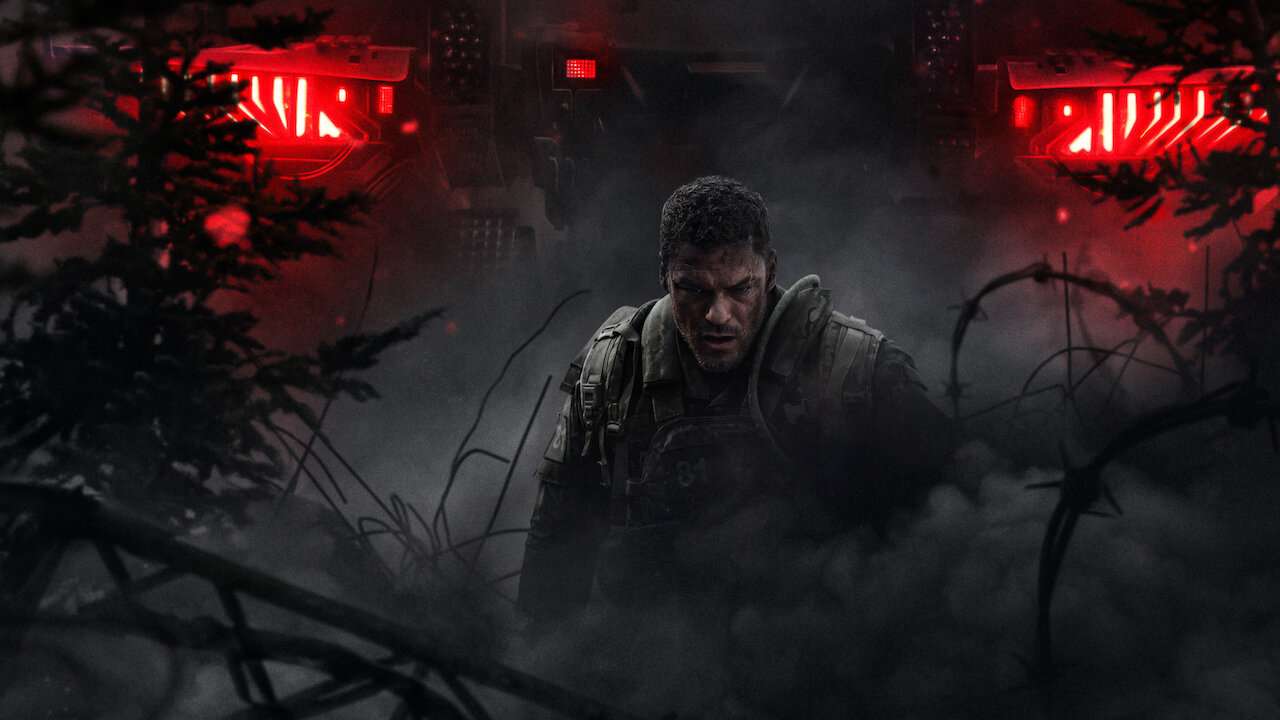
War Machine is a solid pick for fans of alien warfare and military combat.
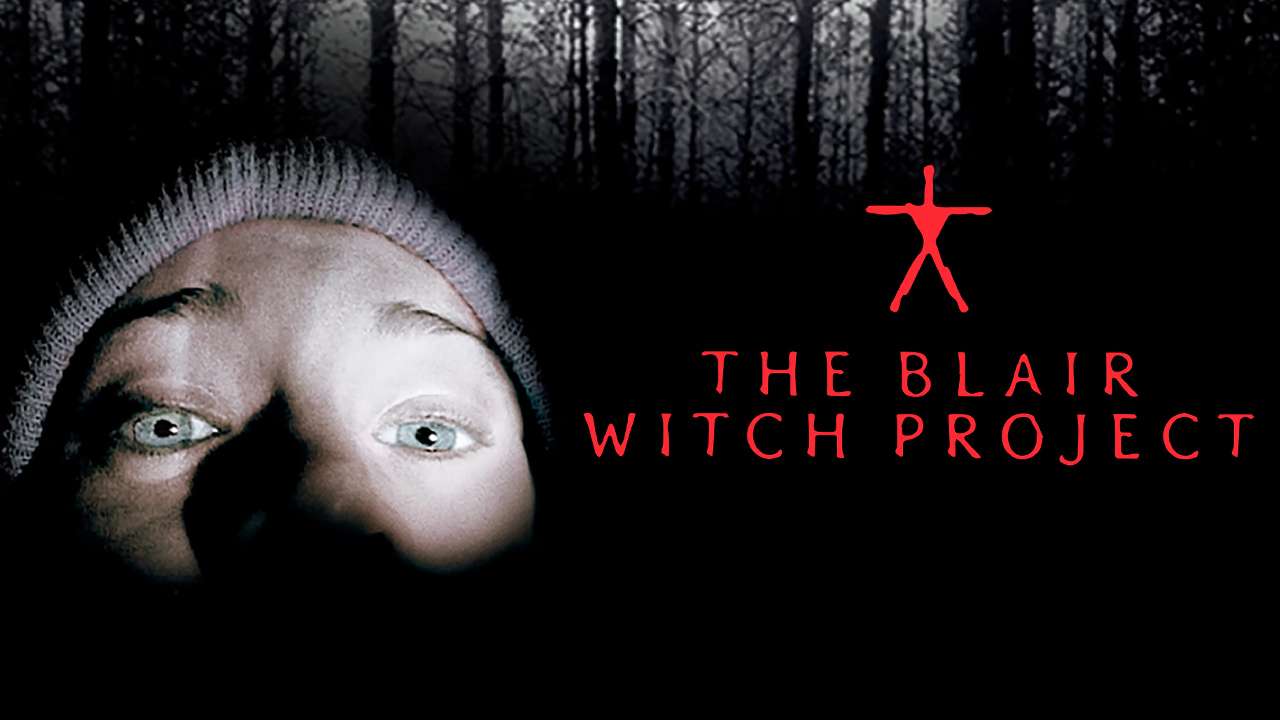
Top 5 Blair Witch Fan Theories

SDIFF 2026: Opening Night Gala
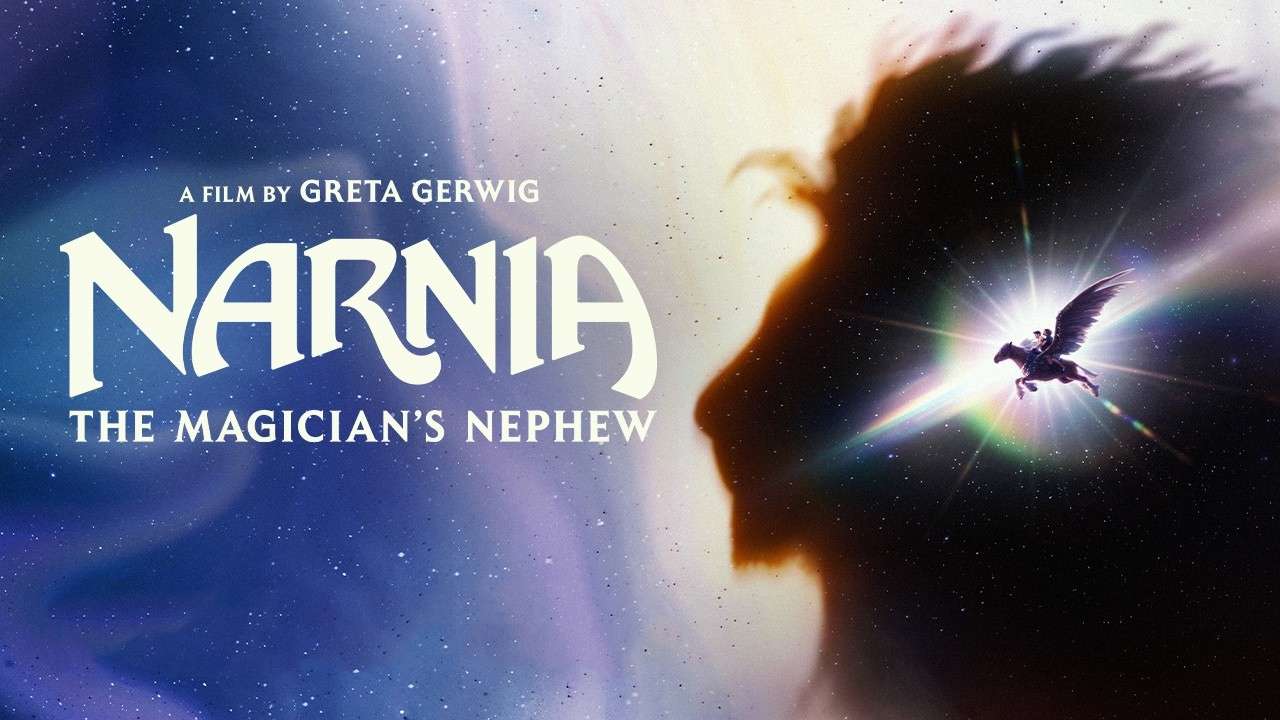
A Universe Begins. See how Narnia was created in The Magician’s Nephew,
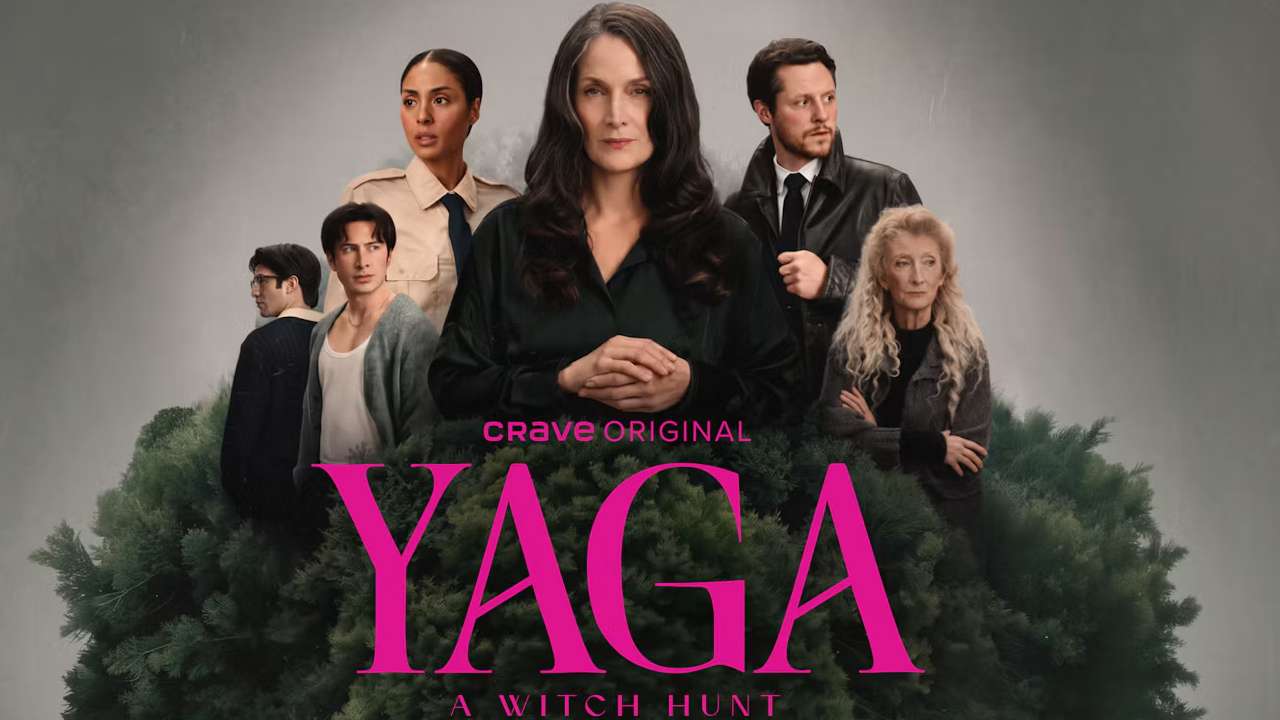
Must Be the Season of the Witch

RAMAYANA: RISE OF A LEGEND – NEW TRAILER
A Universe Begins. See how Narnia was created in The Magician’s Nephew,
RAMAYANA: RISE OF A LEGEND – NEW TRAILER
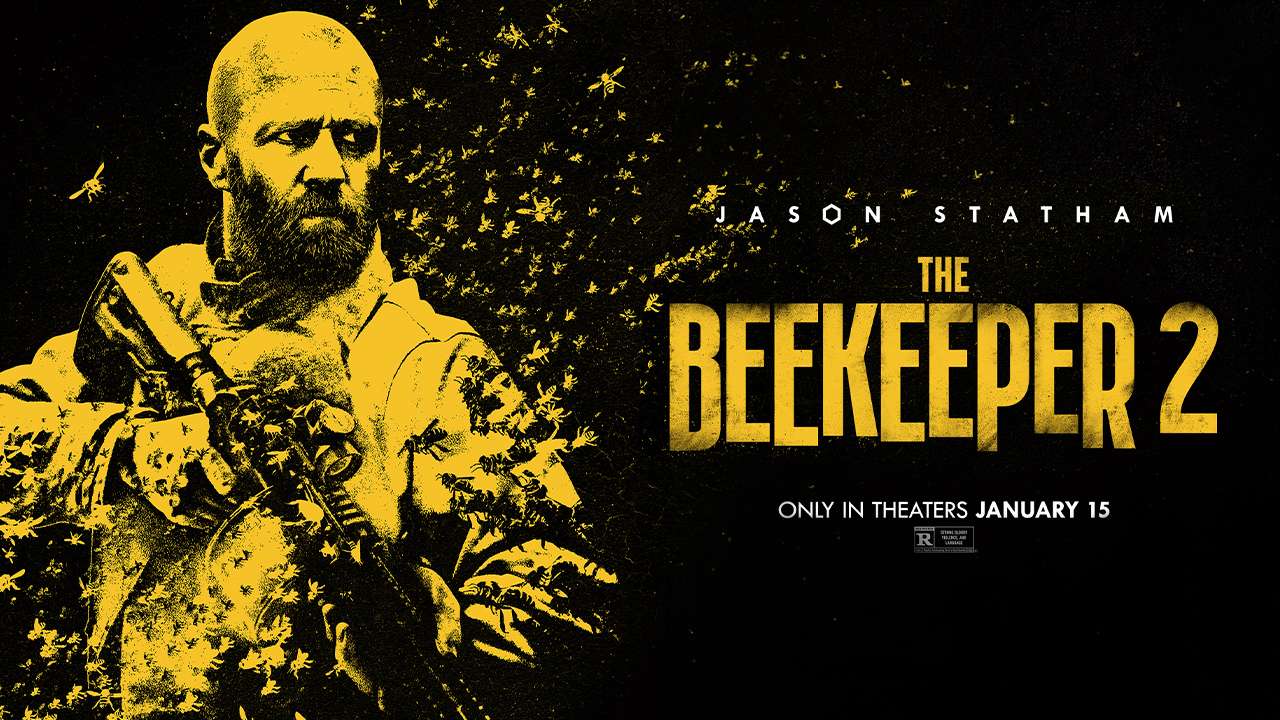
He’s been busy. #Beekeeper2

For everyone who’s ever said “one more round.”

In four weeks, look fear in the face