Movie
Film Review: Hari Hara Veera Mallu

Director: Krish Jagarlamudi, A. M. Jyothi Krishna
Starring: Pawan Kalyan, Niddhi Agerwal, Bobby Deol
Genre: Action / Adventure
Rating: ★★★★½ (4.5/5)
A thunderous invocation of history, dharma, and resistance, Hari Hara Veera Mallu is a film that doesn’t just entertain — it inspires. Directed by Krish Jagarlamudi and A. M. Jyothi Krishna, the epic historical action film follows a rebellious thief who finds his calling not in crime, but in the cosmic rhythm of Sanātana Dharma.
Let’s address the obvious — the visual effects are a letdown. Despite its grand ambitions, the film’s graphics fall short of modern cinematic expectations, often feeling outdated and mismatched to the epic scope. For a film of this thematic and narrative depth, the CG limitations become a distracting flaw. It’s a recurring issue in Pawan Kalyan’s films, where the strength of his message is often undercut by lackluster technical execution.
But make no mistake — Hari Hara Veera Mallu triumphs where it truly matters: its soul. Kalyan, widely revered as the “Power Star,” delivers a commanding performance as Veera Mallu, a character who evolves from thief to dharmic warrior. His presence carries both gravitas and grace, anchoring the film with purpose and patriotic fervor. At its core, this is a cinematic call to cultural awakening — a reminder for Indians to reconnect with their roots and rekindle the flame of Sanātana Dharma.
Niddhi Agerwal brings both tenderness and intensity to her role, providing emotional texture to a film driven heavily by ideology and action. Her chemistry with Kalyan is sincere and grounding, and her performance serves as a reminder that even warriors carry the right to love. Agerwal’s confidence radiates onscreen, with eyes that pull you into her character’s vulnerability and strength.
Bobby Deol, portraying the Mughal emperor Aurangzeb, is a casting choice that initially raises eyebrows but ultimately lands with impact. As a Sikh actor embodying one of history’s most divisive Islamic rulers, Deol infuses the role with brutality and gravitas. His portrayal is unnerving, precise, and deeply effective — the kind of villain performance that lingers.
The direction is focused and passionate, and the screenplay weaves historical fact with philosophical fire. While the technical shortcomings are impossible to ignore, the story’s message is undeniable: Hari Hara Veera Mallu is less a film and more a cultural invocation. It’s a reminder of who we were — and who we still can be.
Final Verdict:
Flawed in execution but powerful in message, Hari Hara Veera Mallu is an important cultural artifact disguised as an action film. It’s a must-watch for those seeking meaning beyond the spectacle — and a call to all Indians to remember, revive, and rise.


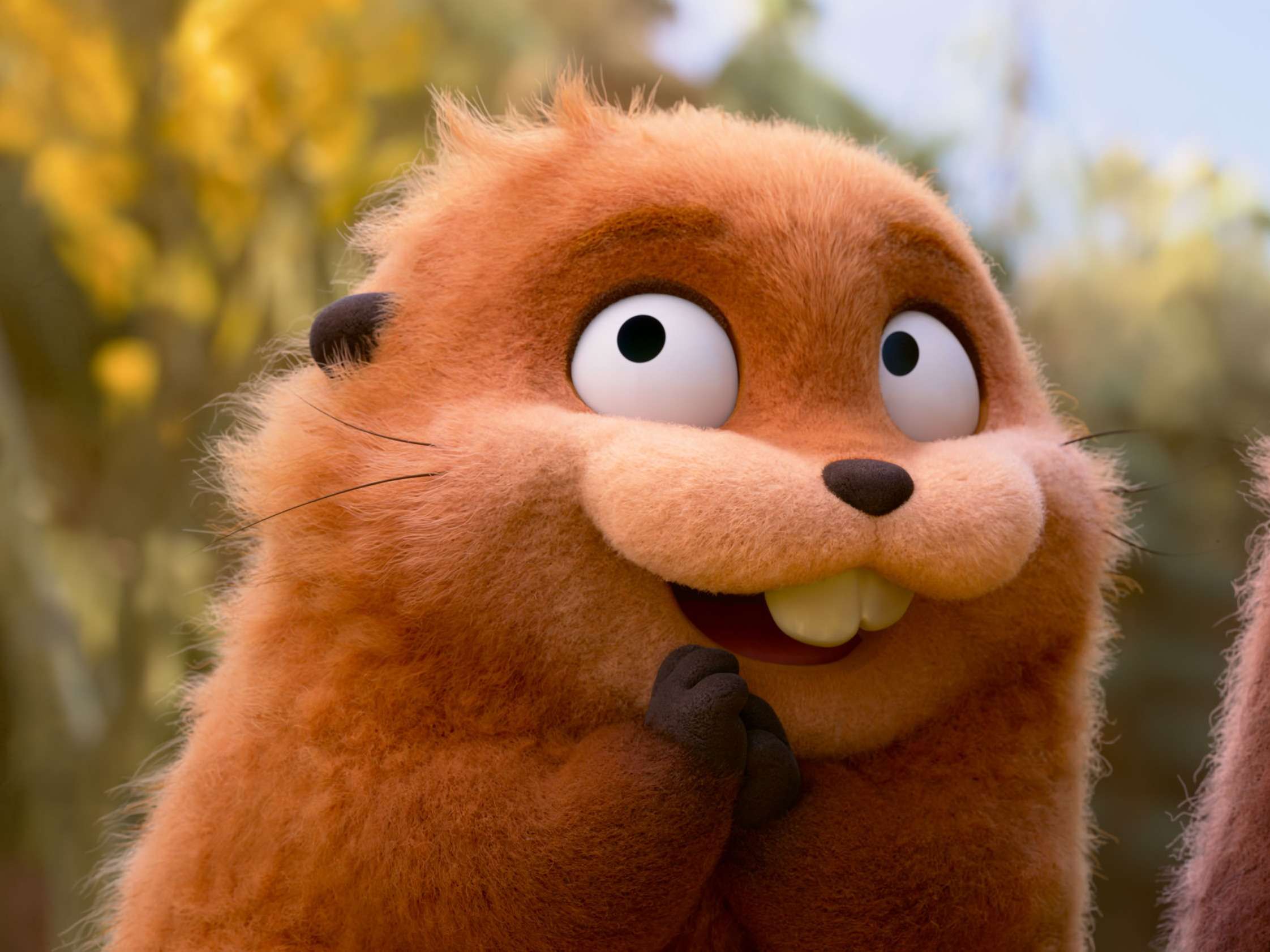
Pixar’s “Hoppers” Is a Wild, Eco-Sci-Fi Comedy That Recaptures the Studio’s Playful Spirit
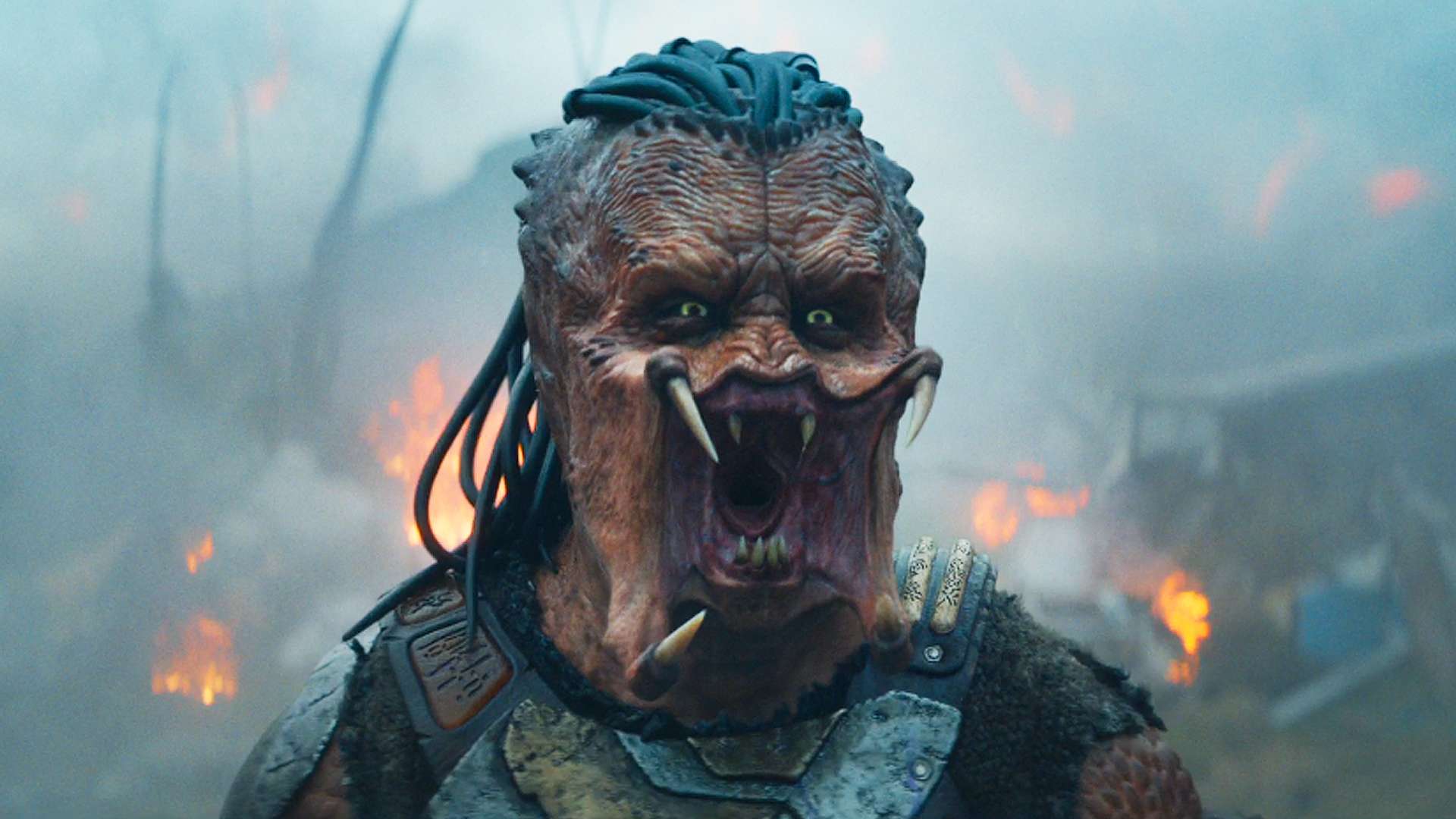
First Hunts are the Worst
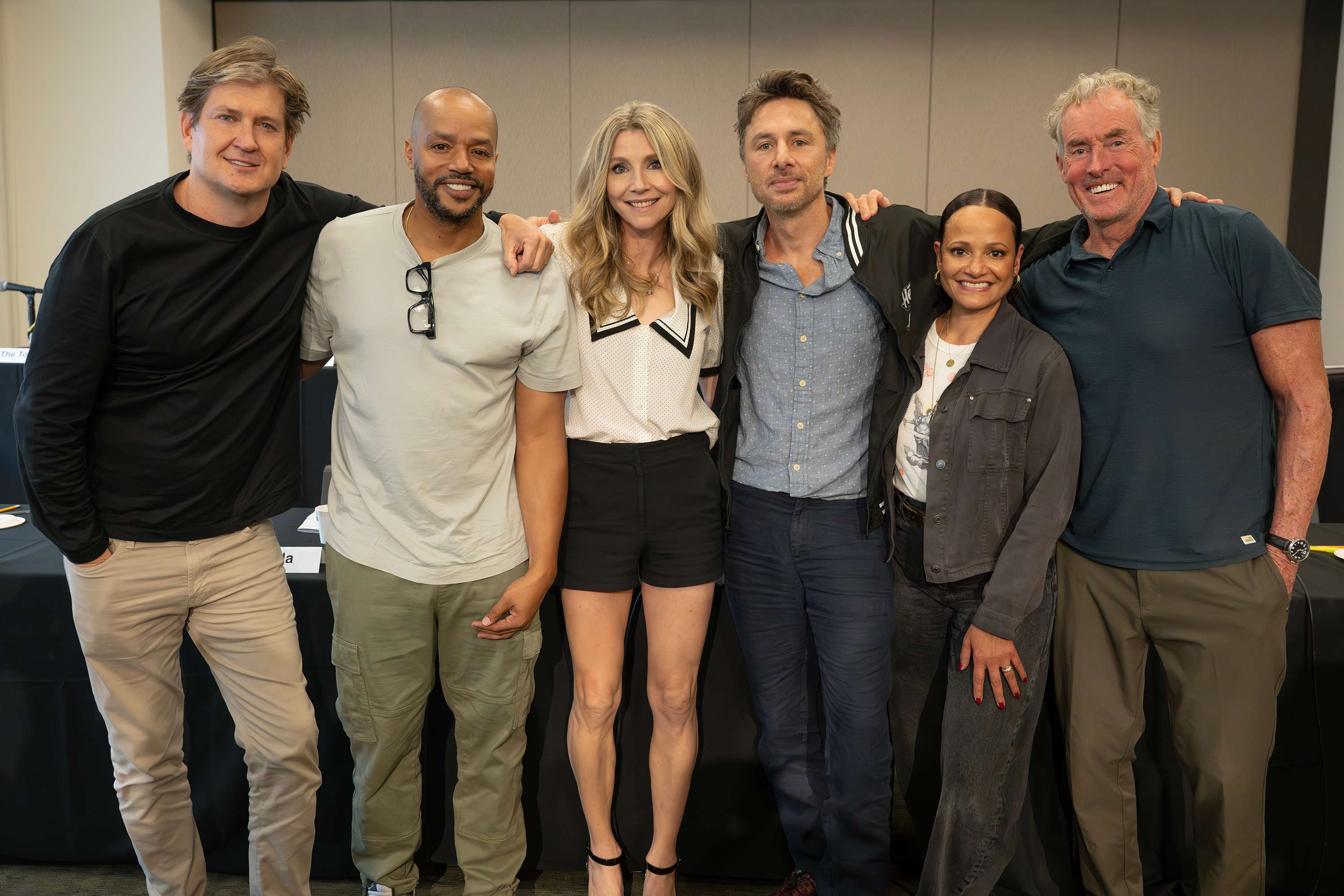
Sacred Heart Gets Older, Wiser… and Nostalgic
Iron Man The Risk That Built an Empire
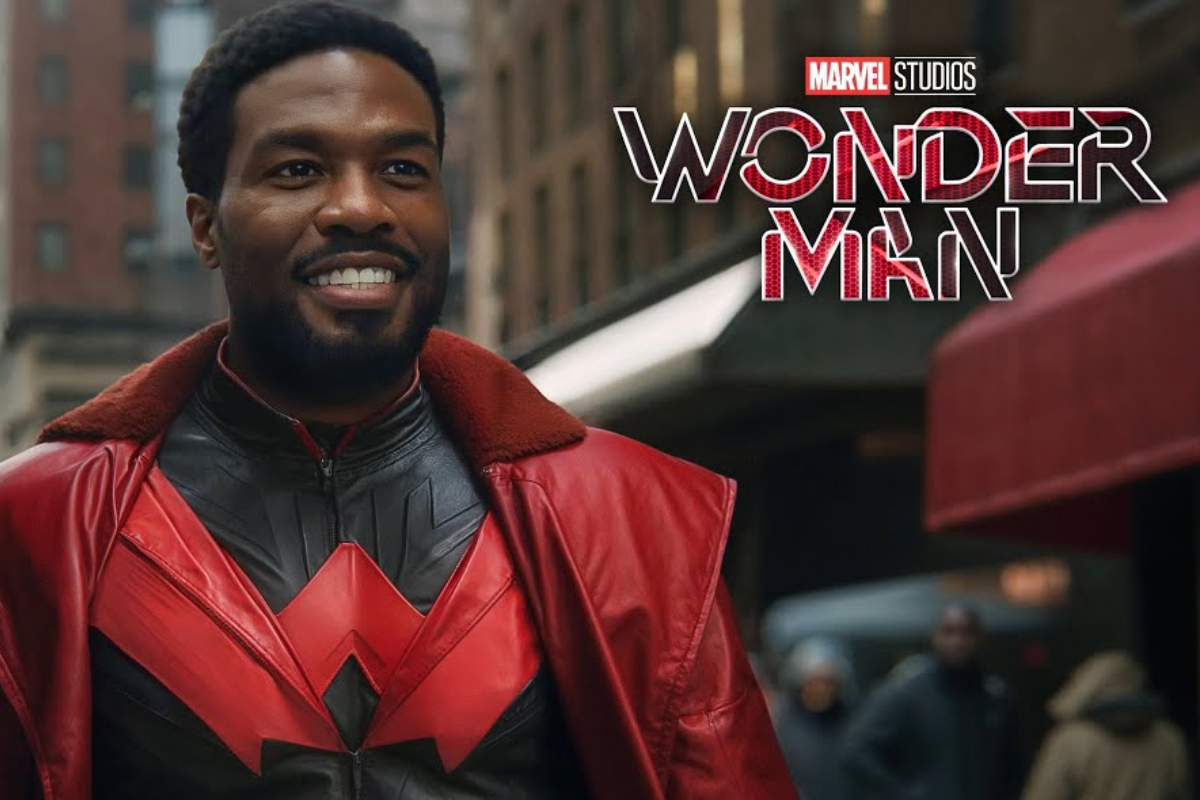
Hero or Hollywood Satire? Why Wonder Man Isn’t What You Expect

Paging Sacred Heart! Our Top 5 Scrubs Reboot Predictions
Sacred Heart Gets Older, Wiser… and Nostalgic
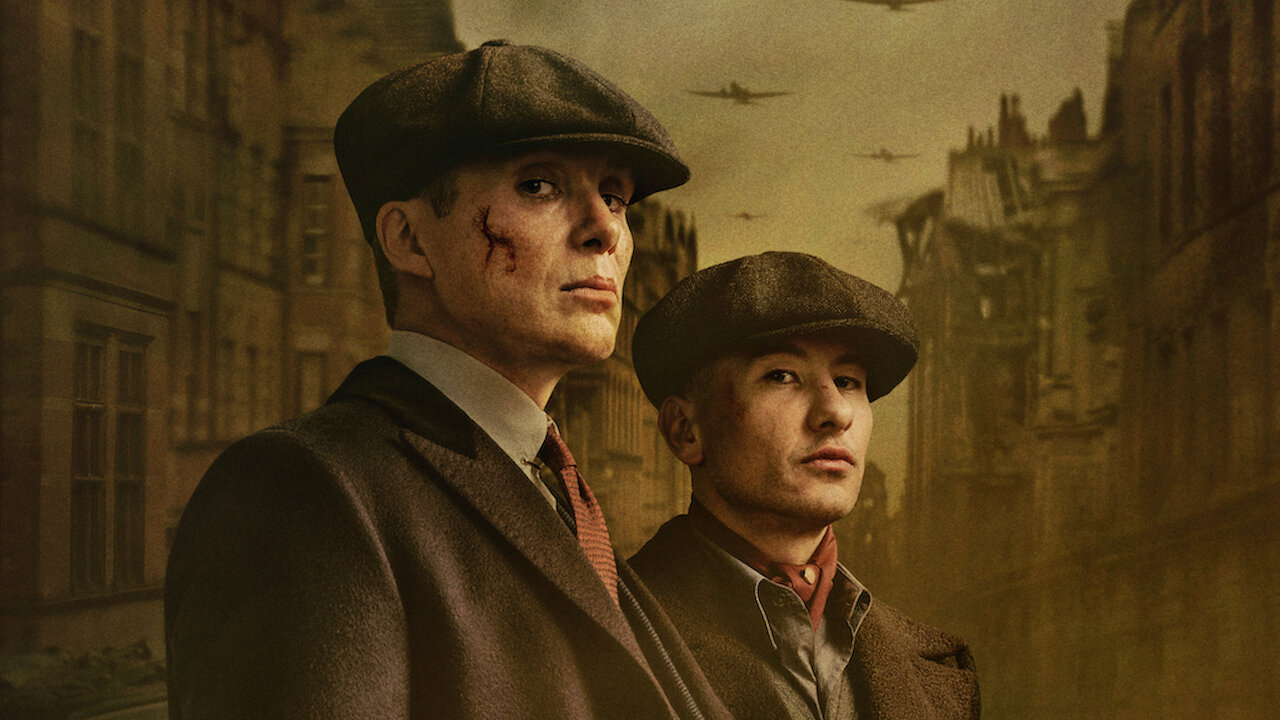
Peaky Blinders: The Immortal Man
Hero or Hollywood Satire? Why Wonder Man Isn’t What You Expect
First Hunts are the Worst