
TV
The Shards: What This New Ryan Murphy Series Promises — and Why the Cast Matters

When a project brings together the auteur theatrics of Ryan Murphy with the twisted coming-of-age paranoia of a Bret Easton Ellis novel, the entertainment world pays attention. That’s exactly the case with The Shards, an adaptation in progress at FX of Ellis’ 2023 semi-autobiographical thriller, ripe with prep-school glamour, horror, and 1980s Los Angeles decadence.
As a journalist who lives at the intersection of culture, genre, and celebrity, I believe this series is one to watch—both for what it could offer and for the risks inherent when adapting Ellis via Murphy’s signature style.
—
What We Know So Far
Here are the confirmed elements to date:
The series is based on Ellis’ novel The Shards, which chronicles the final year of a 17-year-old Bret (a fictionalised version of Ellis) at the elite Buckley prep school in Los Angeles in 1981. A new student, Robert Mallory, arrives, and around the same time a serial killer known as “The Trawler” begins terrorising the city.
Production is being handled by Murphy (via his eponymous company) and 20th Television, with ellis also executive-producing. Max Winkler is attached as director.
Casting so far:
Igby Rigney has been cast as “Bret” in his senior year.
Homer Gere (yes, son of Richard Gere) has been cast as Robert Mallory.
Kaia Gerber (yes, daughter of Cindy Crawford) is attached to star, though her precise role is still unclear.
Graham Campbell is set to play Thom Wright, Bret’s best friend.
The show is still in early development: no firm release date, no full writer or show-runner publicly announced. Some outlets suggest a realistic earliest premiere might land in 2026.
—
Why the Cast Matters (And Raises Expectations)
Casting is one of the first clues to what a show might become—and in this case, what we see makes the project intriguing for several reasons:
Fresh Faces, Legacy Names: Homer Gere and Kaia Gerber carry legacy Hollywood names, but they’re relatively early in their major-TV careers. That suggests a youthful energy, and perhaps the kind of rawness the story demands (i.e., teenage angst, identity crisis, blurred morality).
Murphy’s Trusted Collaborators: Kaia Gerber has worked with Murphy before (in his American Horror universe), meaning there’s a trusted dynamic—Murphy may feel she can deliver in his kind of tonal space.
The Protagonist’s Casting: Igby Rigney’s casting as Bret is especially interesting—Murphy opting for someone who isn’t a glaring “name” yet may signal a desire for authenticity over star-power.
Expectations of Tone from the Ensemble: The presence of relatively unknown younger actors (for some roles) may give the show the breathing room to build suspense, character creep, and horror gradually—rather than relying entirely on marquee draws.
From an editorial standpoint, the cast suggests Murphy is leaning into the “pre-celebrity” milieu of the novel: privileged teenagers unaware of how much danger—or self-destruction—they are about to court.
—
What to Expect: Genre, Themes & Style
Given the source material, the production team, and Murphy’s track record, here is what I anticipate the series will deliver (and some cautionary points):
 The Good
A stylised 1980s Los Angeles backdrop: The novel evokes LA in 1981—luxury cars, yacht parties, prep-school privilege, undercurrents of fear and identity. Murphy has handled period/ensemble pieces before, so the setting has potential to be richly drawn.
Blending coming-of-age drama with horror/thriller elements: The core story (teenaged Bret, the new student Robert, a serial killer on the loose) gives fertile ground for a hybrid of psychological horror and teen disenchantment. This is territory Murphy thrives in.
Unreliable narrator / blurred memory: Ellis’ novel plays with memory, identity, trauma and ambiguity. If the series honours that, we could get something intellectually and emotionally resonant—not just scares.
High production values + ensemble tension: Expect Murphy’s signature high polish, strong visuals, maybe a sharp musical/nostalgic touch and thematic depth layered beneath the thriller veneer.
 Caution Points
Murphy’s risk of style over substance: Some critics have voiced concern that Murphy’s glossy, high-concept style sometimes overshadows character depth or coherence. On a story rooted in teenage trauma and existential dread, that imbalance could compromise the emotional impact. (See the Reddit commentary on this exact project)
Source material’s challenge: Ellis’ novel is semi-autobiographical, dense, and ambiguous—translating that complexity to episodic TV means choosing what to keep and what to cut. The wrong choices may flatten character arcs or reduce narrative tension.
Casting expectations vs. performance risk: Legacy names (Gere, Gerber) create buzz—but also scrutiny. If their performances don’t anchor the show emotionally, the weight of the material might feel hollow.
Development/production uncertainty: With no confirmed premiere or full creative team announced, there’s always potential for delays, creative shifts, or dilution of vision (it started at HBO before moving to FX).
—
My Take: Why This Matters
In the current entertainment landscape, we are awash with teen-drama reboots, limited series adaptations, nostalgia pieces, and true-crime thrillers. The Shards has the potential to stand out because it doesn’t just revisit teen angst—it foregrounds a toxic milieu of privilege, looming violence, identity crisis, and an ambiguous voice of memory (the adult Bret looking back). For you, the entertainment journalist wielding opinion, this show signifies:
A shift: From straightforward high-school dramas to something darker, more psychologically layered. It reflects our collective appetite for genre hybrids (coming-of-age + horror + true-crime vibes).
A commentary on privilege and culture in the 1980s: Elite prep school in Los Angeles, conspicuous consumption, underlying menace—Murphy and Ellis together can explore how power, masculinity, and fear marched together.
A chance for TV to revisit “prestige” with risk: In an era of franchise templating, this feels like a project willing to be weird, uncomfortable, and ambiguous. If done right, the series could spark conversations about memory, trauma, and versioning of self.
If I were advising you (as an entertainment journalist) on framing this for your coverage: focus on the layering of portrait vs. predator, innocence vs. complicity. Talk about how the cast will need to embody adolescence as both gilded and haunted, how Murphy’s visual style merges with Ellis’ nihilistic undercurrents, and how the series might comment on the era of 1980s LA as a mirror to today’s celebrity-culture anxieties.
—
Final Thoughts
The Shards may become one of those “must-watch” shows for 2026 (if production and release align) — because it marries three compelling ingredients: the decade (1980s LA), the sub-genre (prep school horror/thriller), and the auteur (Murphy+Ellis). But it will only be as strong as its ability to ground the razzle-dazzle in emotional truth, to let the characters breathe, suffer, and change—not just race through plot beats.
For now, as a journalist, I’ll be watching for: a show-runner announcement, release date, teaser visuals, and whether the cast can deliver the weight this kind of story demands. Because I believe The Shards has the potential to be more than just another glossy thriller—it could be a meditation on youth, identity, fea,r and the mirror of memory itself.



Telugu Cinema Goes Direct to U.S. Fans: Nani and Anirudh Ravichander Bring The Paradise to Dallas

Opinion | Ramayana Changes the Game for Bollywood

Marvel Showcase

300 Part 1 vs 300: Rise of an Empire

Telugu Cinema Has Conquered Hyderabad. Is America Next?

D23 2026 Day One Delivers a Mountain of Disney Reveals, From Avengers: Doomsday and Star Wars: Starfighter to Frozen 3
The Edinburgh Fringe Gets Heated!
PAW Patrol: The Dino Movie Review: A Prehistoric Adventure That Feels Like Thunderbirds for a New Generation
Welcome home, Vision.
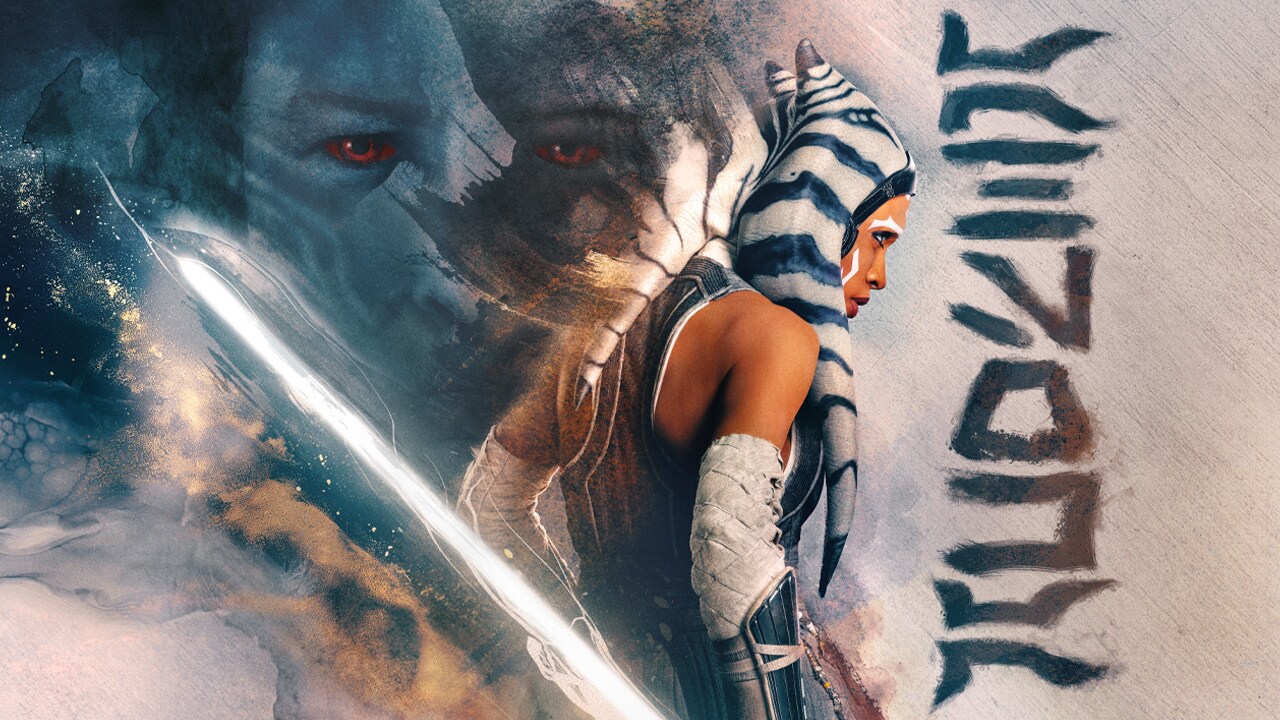
Are you a Jedi… or not?
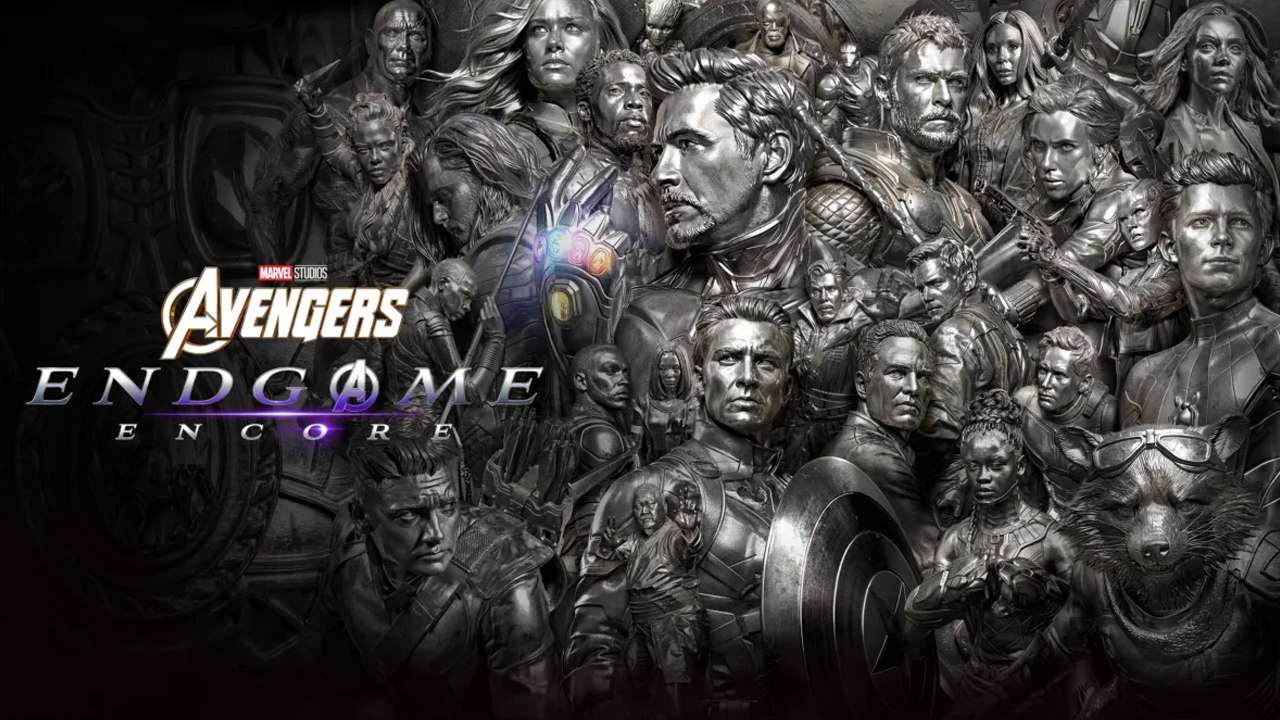
Reassemble the team & relive the experience as Avengers Endgame: Encore
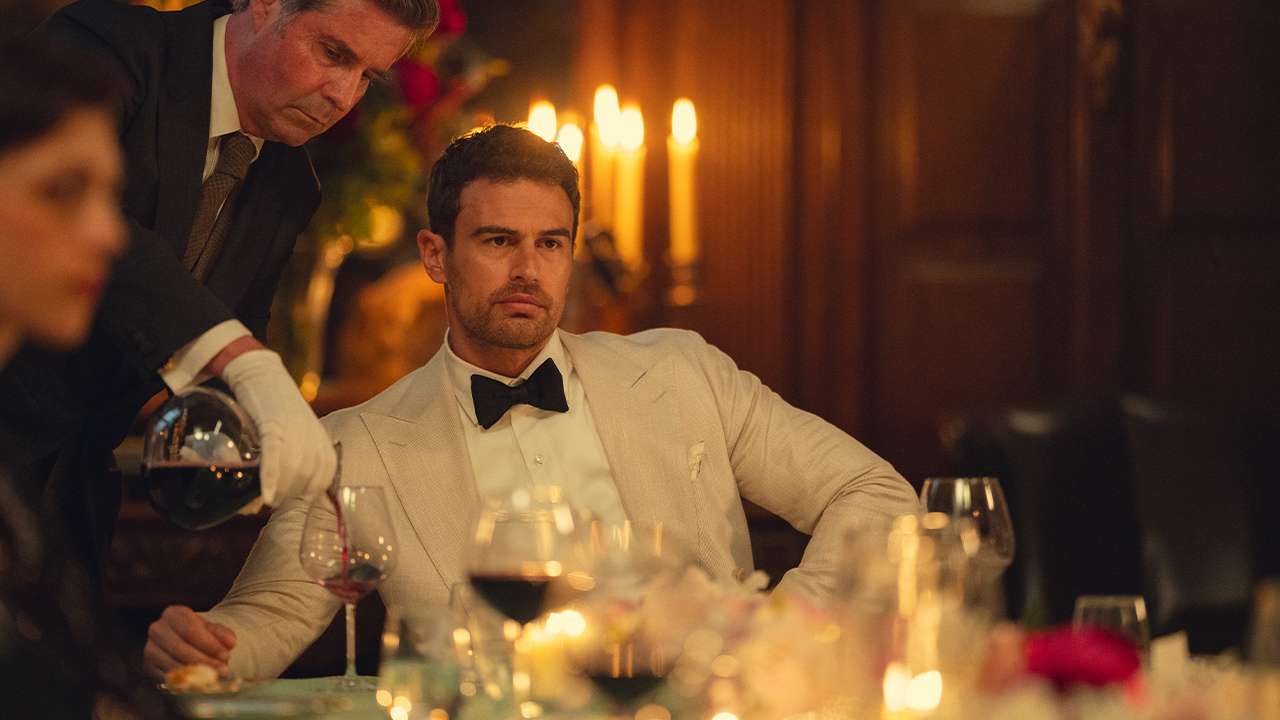
Ambition can’t be tamed…
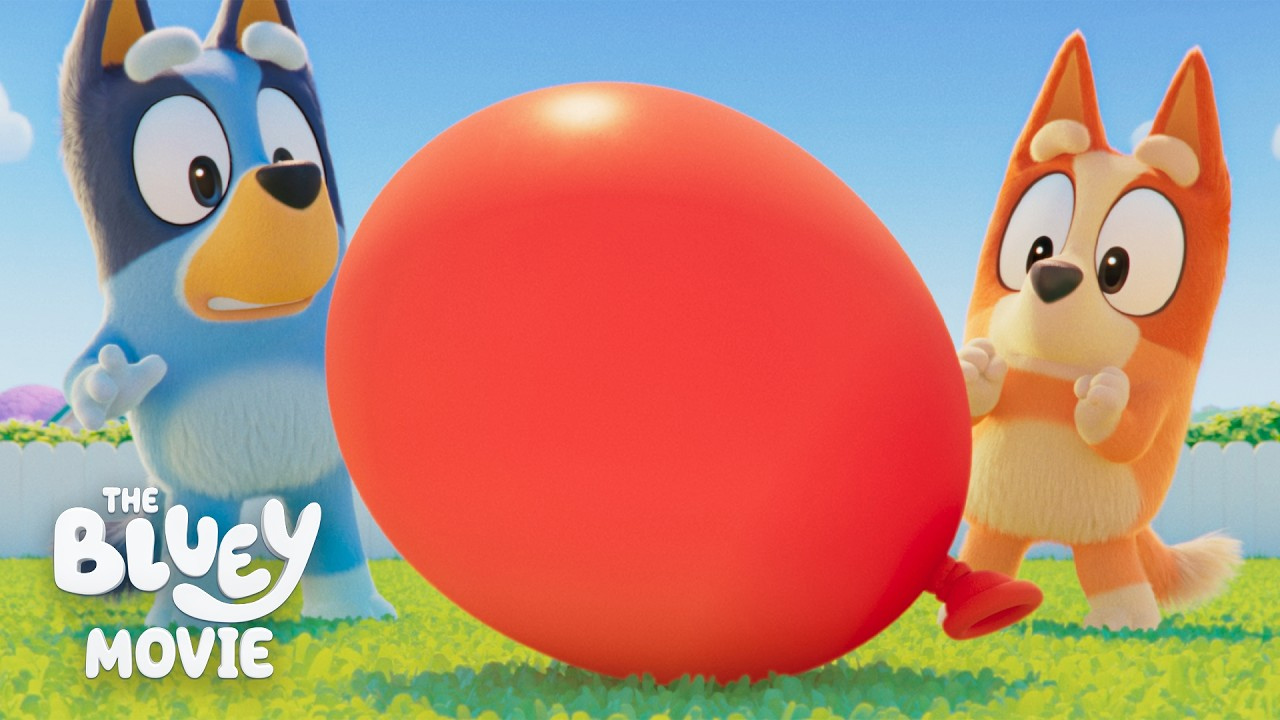
Watch the first teaser trailer for The Bluey Movie, coming exclusively to theatres August 6, 2027!
Welcome home, Vision.
Are you a Jedi… or not?