
Streaming
Top 5 Best Fan Theories for ‘The Witch’

Robert Eggers’ folk horror The Witch (known as ‘The VVitch’ among fans, Old English; fun!) turned ten years old this year. As one of my favorite films, it was great to actually see it on the big screen for its anniversary re-release. The Witch (2015) is known to be an either ‘love or hate it’ film. I, for one, absolutely love it! The atmosphere, the score, the authentic speech, and costumes are juxtaposed with the stomach-churning horror.
Many fans have debated the true meaning of the film. This masterpiece is multi-layered and is not just about witches. It is about the fragility of humanity and belief; ingeniously shown through a banished New England family in the 17th century. Is it hysteria? Poisoning? Or the supernatural? Here are the Top 5 Best Fan Theories!
Spoilers (duh).
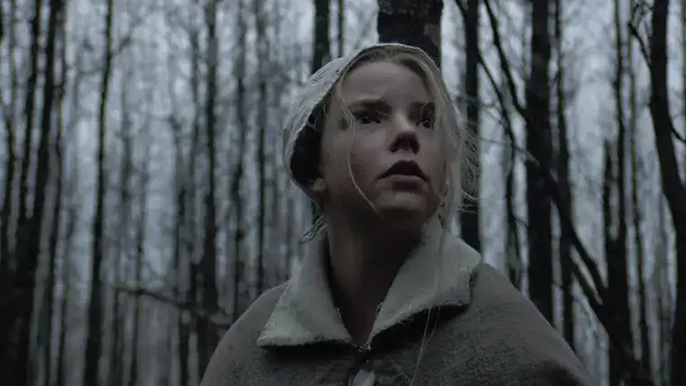
- 1. Thomasin was The Witch all along.
Thomasin is the family’s teenage daughter who is aged between 13-18 years (it’s unclear). She is played by the talented Anya Taylor-Joy. Thomasin’s family, her parents and twin younger siblings, have all been banished from their plantation due to her father’s stringent beliefs. The family set up a self-sufficient farm on the edge of a creepy-looking forest. It is here where the bad stuff starts happening.
Even the most casual of viewers would notice that Thomasin’s presence seems to trigger the bad things. When Thomasin is playing peekaboo with her new baby brother, Samuel, he disappears from his spot on the grass. The audience is shown Samuel being stolen by an old crone who uses innocent Samuel’s blood and innards as ‘flying ointment’ (I’ll let you Google in your own time!)
Thomasin seems as shocked and upset by the spiraling events as anyone in the family, but is this just an act? Thomasin pretends to her misbehaving younger sister, Mercy, that she is “the witch of the wood.” She claims that when she sleeps, her spirit slips away and dances naked with the devil. Her master (Satan) commanded that she bring him an “unbaptized babe,” so she stole Sam. Yes, Thomasin may just be teasing her bratty little sister, but…that’s a lot of detail. AND mirrors almost exactly the events to come.
We already know through Thomasin’s earlier prayer that she views herself as ‘sinful’. Was Thomasin simply biding her time until her ‘master’ took the rest of her family?
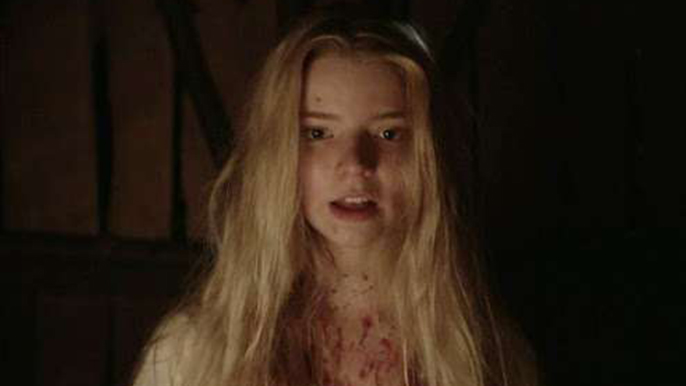
- 2. Thomasin damned herself.
One fan (Pack, 2022) cleverly pointed out that Thomasin’s prayer at the start of the film is where everything is set into motion. In her prayer, Thomasin confesses to being idle in her work, neglectful of prayer, and (Shock! Horror!) secretly playing on the Sabbath. This may just be the Puritan belief that humans are ultimately sinful, but Thomasin may have damned herself by admitting her weaknesses. As the old adage says, ‘the devil finds work for idle thumbs,’ and in Thomasin, the devil may have found a conduit to the banished family.
It is believed that the devil takes pleasure in corrupting the innocent and pure; Thomasin works hard for her family, taking care of her siblings and the farm animals. She does all this while her father plays at being a farmer and a hunter, and her mother mourns her lost child. Thomasin also misses their old life in England, where they actually had glass in their windows and plentiful food. This longing makes Thomasin easier to corrupt.
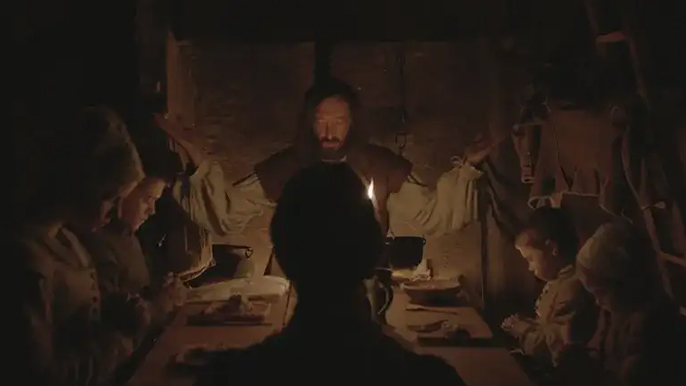
- 3. The family where suffering from Ergot poisoning.
Ergot is a poisonous fungus that sometimes grows on grain. Ingesting Ergot can cause dizziness, convulsions, and psychosis. Within the world of film, we already know the father (Ralph Ineson) knows little about farming, so their crop is suffering from blight. Is the family suffering from hallucinations brought on by their meager food supply?
It would explain the fantastical events of the film. A Puritan family’s biggest fear would be Satan, witches, and witches’ familiars (such as the family goat known as ‘Black Philip’) talking to their children and teaching them songs. The family is under extreme stress with the real possibility of starvation, illness, murder, and fatal accidents. When humans are faced with these primal fears, they cling to their beliefs. Fear breeds paranoia, so the family begins to turn on one another.
Interestingly, a 1976 theory blamed Ergot poisoning for the alleged ‘bewitchment’ during the infamous Salem Witch Trials. It is important to note that this theory has been largely debunked.
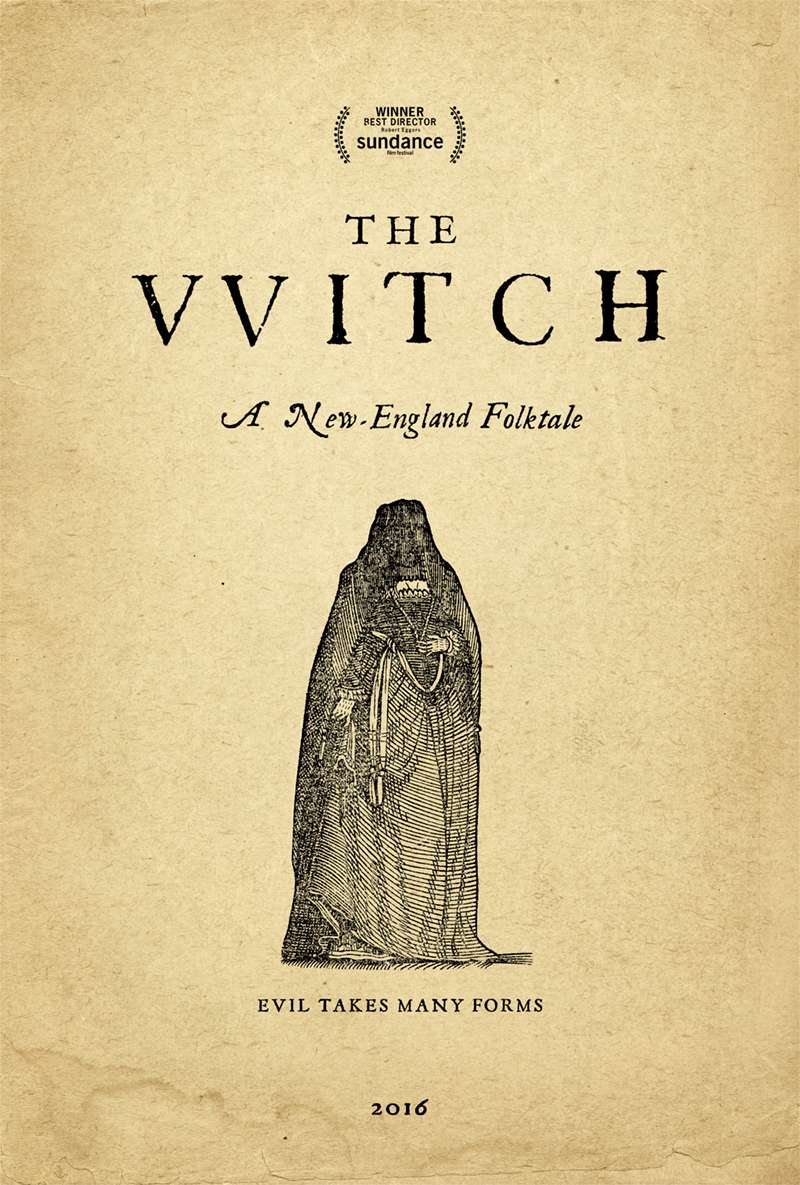
- 4. It’s a folktale.
Eggers may have been answering the question of ambiguity within his film with the full title: The Witch: A New England Folktale.
Traditionally, a folktale (or fairytale) serves as a warning as to what happens when you misbehave or don’t follow the moral order of the time. The family in The Witch has already lost their place in society through the father’s prideful conceit. The whole family is punished by banishment, which makes them very vulnerable to the elements and (understandably) hostile Native Americans.
Puritan children would be told if they went into the woods alone, they would be kidnapped by witches (happens to the son) or witches would swoop down from the sky and eat misbehaving children (happens to the twins).
Many fans have also pointed out that the characters in the film fit perfectly into the traditional ‘Seven Deadly Sins’.
As already discussed, the father is Pride, the mother is Wrath; with her animosity towards Thomasin, the brother is Lust, with the way he keeps looking at Thomasin’s breasts, and the twins are Sloth, as they don’t help the family with chores. Thomasin collects the most sins with her longing for the delicious things in life, such as butter, pretty dresses, apples, and an escape from her Puritan life. Thomasin embodies Greed, Gluttony, and Envy.
The Seven Deadly Sins were first created in the 6th century and elaborated on in the 13th century. The sins were thought of as ‘dispositions toward sin and a separation from God’. The mother of the family cries in the film that God has “abandoned” them.
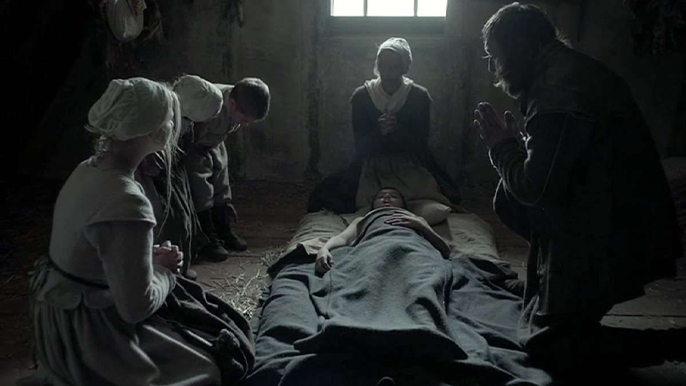
- 5. It was alllllll a dream.
The classic it was all a dream theory. Some fans noticed that Thomasin spends a lot of the movie either waking up or going to sleep. During the major story beats, such as the brother sneaking out to go hunting, waking Thomasin up, and whilst out hunting in the woods with her brother, Thomasin falls off the horse and is knocked out. Immediately after these incidents, a supernatural incident occurs; her brother meets the witch of the woods. Did the film’s supernatural events simply happen in Thomasin’s subconscious? In the final scene of the film, Thomasin rests her head on the table (after killing her own mother in self-defense). It is clear that time passes, then Thomasin wakes up, and it’s here she meets Satan in the guise of Black Philip. There is also the clue of Thomasin telling her sister that when she sleeps, her spirit slips away and dances naked in the wood.
The events of the film would be nightmare fuel for Thomasin, a young, pretty Puritan girl. Thomasin’s entire family turned against her and accused her of being a witch. The Witch perfectly encapsulates society’s fear of a woman’s burgeoning sexuality. It’s no coincidence that Thomasin is experiencing puberty and ends the film covered in blood and surrounded by naked women. The witches in the film are also shown as either old crones or beautiful young women, the two feminine stages where women are seen as the most threatening. The most likely to be accused of being witches.



Telugu Cinema Goes Direct to U.S. Fans: Nani and Anirudh Ravichander Bring The Paradise to Dallas

Opinion | Ramayana Changes the Game for Bollywood

Marvel Showcase

300 Part 1 vs 300: Rise of an Empire

Telugu Cinema Has Conquered Hyderabad. Is America Next?

D23 2026 Day One Delivers a Mountain of Disney Reveals, From Avengers: Doomsday and Star Wars: Starfighter to Frozen 3

The Edinburgh Fringe Gets Heated!

PAW Patrol: The Dino Movie Review: A Prehistoric Adventure That Feels Like Thunderbirds for a New Generation
Welcome home, Vision.
Are you a Jedi… or not?
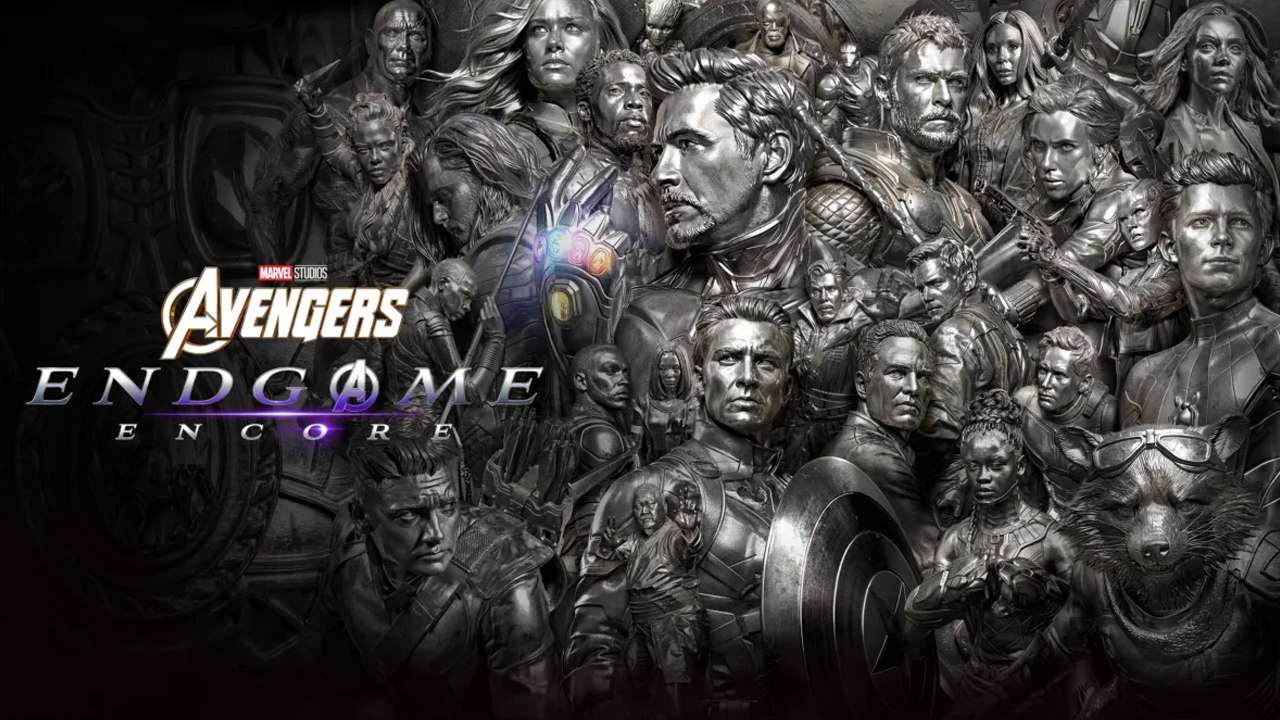
Reassemble the team & relive the experience as Avengers Endgame: Encore
Ambition can’t be tamed…

Watch the first teaser trailer for The Bluey Movie, coming exclusively to theatres August 6, 2027!
Welcome home, Vision.
Are you a Jedi… or not?