Streaming
Top 5 Avatar the Last Airbender (Least Discussed) Darkest Aspects

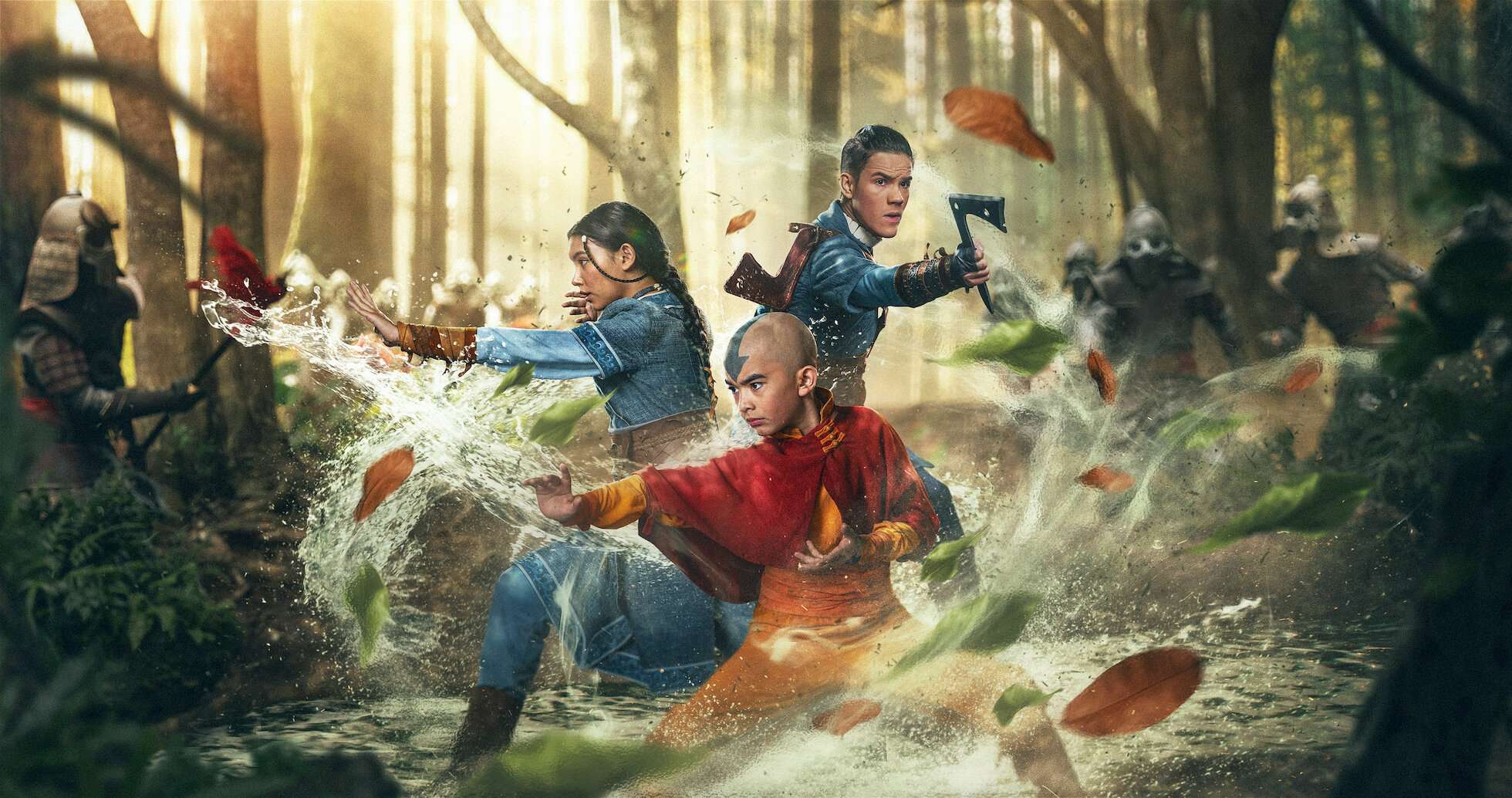
Netflix’s live-action Avatar: The Last Airbender reportedly wrapped up production of its second season (Book 2) in May. With an estimated 15 million spent per episode, it’s easy to forget that ATLA started as a ‘mere’ children’s TV Show for Nickelodeon. A children’s TV show it may have been, but ATLA amassed a devoted fanbase since it originally aired in 2005. The series is masterful in its concise and efficient storytelling. ATLA is known for its darker elements that might not seem entirely suitable for children.
Here are five lesser discussed darkest elements of Avatar: The Last Airbender
5. Propaganda
The three Books of ATLA explore some pretty intense topics: war, genocide, and government propaganda (y’know, totally appropriate subjects for children). In Book 3 Episode 2 ‘The Headband’, Avatar Aang goes undercover in a Fire Nation school as a student.
In this regimented school, the children swear a daily oath to a picture of the dictator Fire Lord Ozai (voiced by Mark Hamill). The children are also banned from dancing and expressing themselves, as it’s not conducive to discipline. Even more insidious is that the students are lied to by their history books. A hundred years ago, the Fire Nation Imperial Army committed a genocide against the Air Nomads, almost eradicating their culture completely. The history books claim the Air Nomads had an army (despite being pacifists), making it a fair fight. Aang knows that it was a massacre because he was in fact alive 100 years ago. This means the Fire Nation is lying to their students (and teachers) about the bloodshed they caused and misconstruing facts to forward their own ideological agenda.
The themes of imperialism and nationalism run through the series regarding the fascist Fire Nation. In Book 1 Episode 13 ‘The Blue Spirit’, Admiral Zhao (voiced by Jason Isaacs) gives an impassioned speech to his soldiers, claiming the Fire Nation is the “superior element”.
4. Uncle Iroh
Everybody wishes they had an Uncle Iroh. Someone to dole out philosophical life advice along with a cup of soothing jasmine tea. But was Iroh always this wise, placid, spiritual old man? Apparently not; Iroh was a military commander who famously laid siege to the Earth Kingdom City of Ba Sing Se for 600 days. This siege cost Iroh the life of his only son (also a soldier), plus hundreds of other individuals, on both sides. This great loss caused Iroh to not only leave the army but also give up his right to the throne.
One of the darkest moments in ATLA is when Fire Lord Ozai burns his 13-year-old son’s face as punishment for speaking up. Ozai does this in front of a watching crowd, which includes Iroh. Nobody does anything to stop Ozai from torturing Prince Zuko. What’s worse, a father intentionally burning his young son? Or the crowd of adults watching him and doing nothing?
Lastly, and this is just a personal thing, in Book 1 Episode 15 ‘Bato of the Water Tribe’, Iroh comes off as a bit creepy. The older man pretends that he was stricken by an animal’s paralysing tongue so he could lie under (and hold!) the beautiful young female bounty hunter, June. Yuck.
3. Toxic Friendship
Known in the fandom as ‘Ozai’s Angels’; Princess Azula and her friends Mai and Ty-Lee exemplify the teenage mean girl group, except with more fire and weapons! Friends since childhood, Mai and Ty-Lee are at Azula’s bidding in regards to the war and…well, everything else!
Azula manipulates, threatens, and belittles her supposed friends to get her way, much like a high school bully. An episode which remains divisive among fans is Book 3 Episode 5, ‘The Beach’. I personally love the episode as it humanises the ‘bad guys’ and you get to see the inner workings of the trio’s friend group. Mai, as the child of a nobleman, got whatever she wanted, as long as she sat still, stayed silent, and didn’t do anything to jeopardise her father’s career. Ty Lee grew up with 6 sisters who all looked identical to her, and her bitterness about being a part of a “matched set”. Ironically, Ty Lee ends the show being a part of the Kyoshi warriors, a group of female warriors who all dress the same and fight in the same style. While it’s heavily implied that Mai marries Zuko, the heir to the Fire Nation throne. Mai will probably have to sit still, stay silent, and not do anything to jeopardise her husband’s rein…
2. Ursa’s Opinion of Azula
And what of the Fire Princess Azula? She spends Books 2 and 3 as an antagonist, her cruelty and arrogance being her main character traits. Did Azula just take after their father Ozai, while her brother, Zuko, took after their mother? In Book 2 Episode ‘Zuko Alone’, we see their mother, Ursa’s, attitude towards Azula. When Azula makes cruel jibes about Iroh’s surrender, Ursa exclaims, “What is wrong with that child?” in regards to her own daughter.
In ‘The Beach’, Azula states that their mother loved Zuko more, and her own mother thought she was a “monster.” Azula does claim her mother was right, though. So, Azula thinks of herself as a monster? This is obviously a bigger conversation about whether psychopaths are born or created. What we do know is that when Azula finally cracked under the weight of her father’s expectations, she caused a psychotic break. During her breakdown,n Azula hallucinated that her mother was speaking to her through the mirror. This suggests Ursa’s attitude and comments towards Azula are buried deep within her psyche.
Many fans agree that one of the best aspects of ATLA is the 3-dimensional ‘baddies’
1. The Radicalization and Normalization of Child Soldiers
The core cast of ATLA are all children ranging from 10 to 16 years old. No one in this fantasy world seems to question that a group of children is wandering around on their own, fighting with Fire Nation soldiers. We can only assume that this is because wars tend to displace and orphan hundreds of children, and the sight is not uncommon.
In Book 1 Episode 10 ‘Jet’, we meet the aforementioned Jet, who is a teenage boy living with a group of orphaned children in the forest. Jet is cool, athletic, and an excellent swordsman. He continuously chews on an ear of wheat that you know would have been a cigarette if it weren’t a children’s show! Jet reveals his hatred of the Fire Nation early on, which is somewhat understandable because, as he explains, they killed his parents when he was only 8- years-old.
Jet’s hatred leads him not only to attack an old man simply because he is Fire Nation, but try to burst a dam and drown an entire town occupied by Fire Nation soldiers. The show makes no qualms in explaining that the drowning would kill Earth Kingdom families (including children) living in the town. Jet doesn’t seem to care, blinded by his hatred of the Fire Nation.
We see Jet’s prejudice again in Book 2 when he immediately hates Zuko and Iroh simply because they are Fire Nation. The tragic thing is that this prejudice ultimately ends up killing this orphaned boy.
Avatar The Last Airbender brilliantly exposes the human cost of war, better even than a lot of live-action TV shows.



He will change the way you see the world
Tim Curry and Visibility

Telugu Cinema Goes Direct to U.S. Fans: Nani and Anirudh Ravichander Bring The Paradise to Dallas

Opinion | Ramayana Changes the Game for Bollywood

Marvel Showcase

D23 2026 Day One Delivers a Mountain of Disney Reveals, From Avengers: Doomsday and Star Wars: Starfighter to Frozen 3

The Edinburgh Fringe Gets Heated!
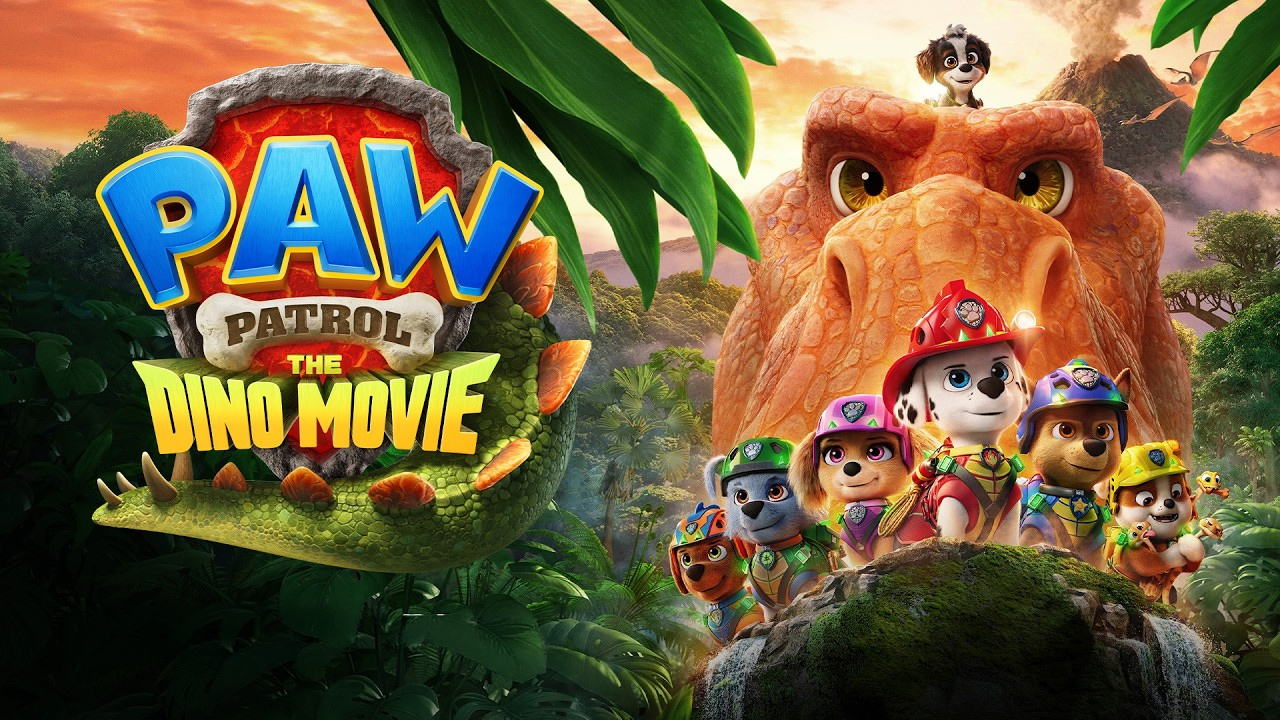
PAW Patrol: The Dino Movie Review: A Prehistoric Adventure That Feels Like Thunderbirds for a New Generation
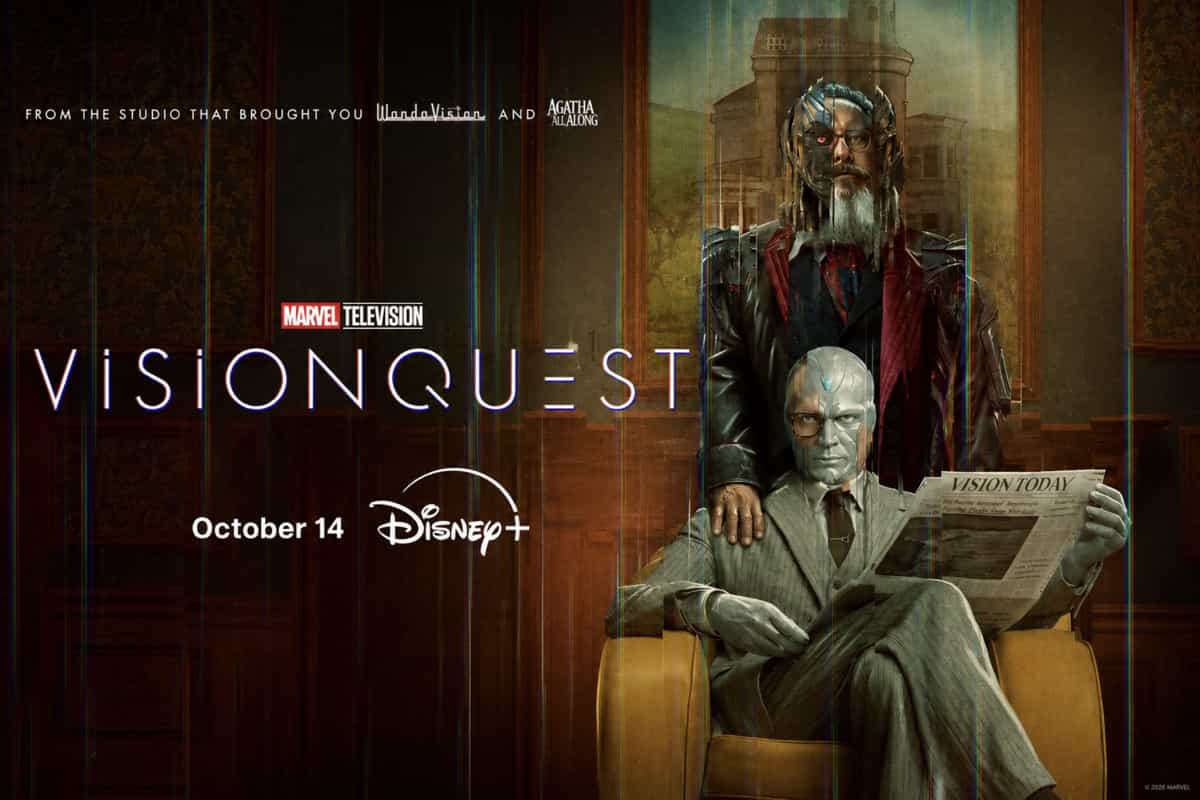
Welcome home, Vision.
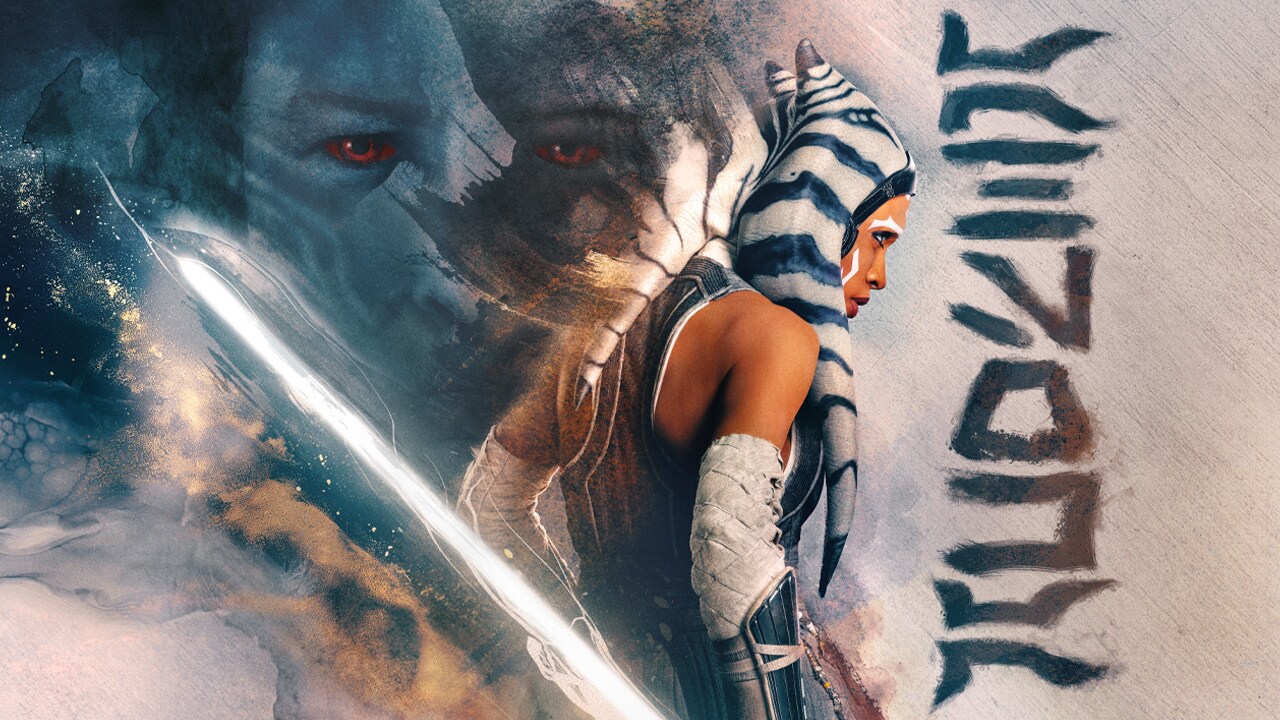
Are you a Jedi… or not?
He will change the way you see the world
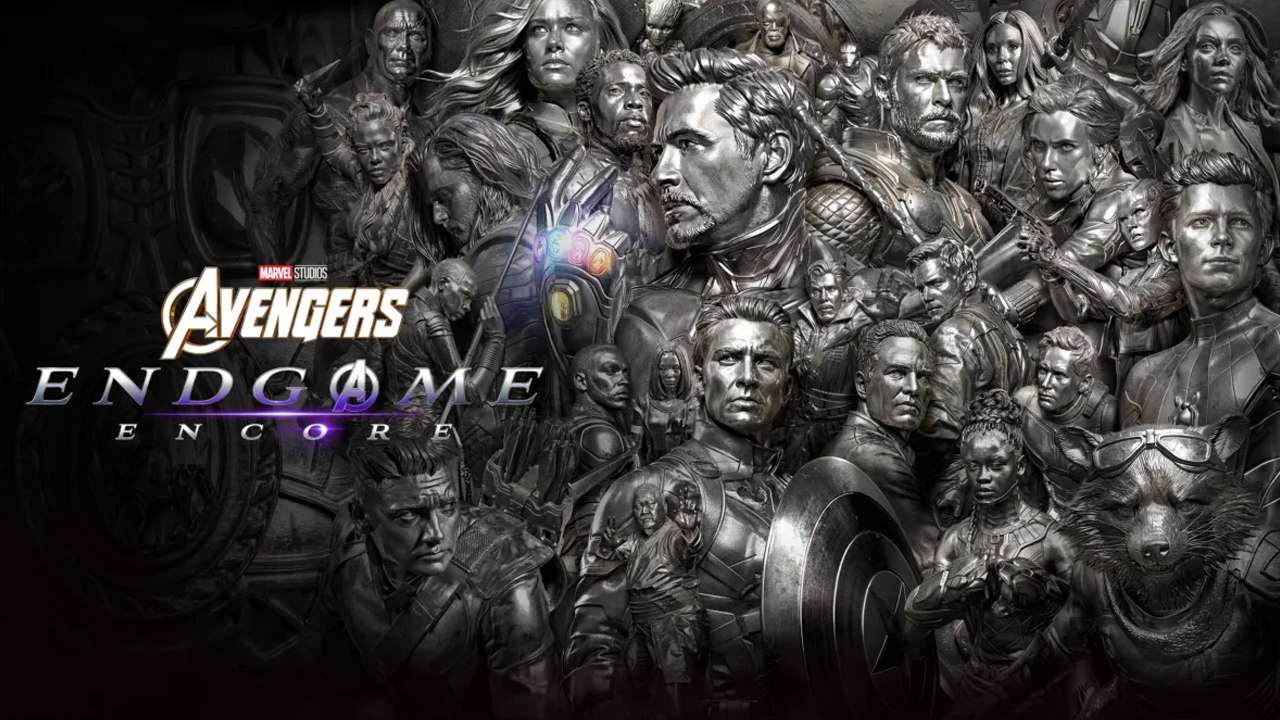
Reassemble the team & relive the experience as Avengers Endgame: Encore
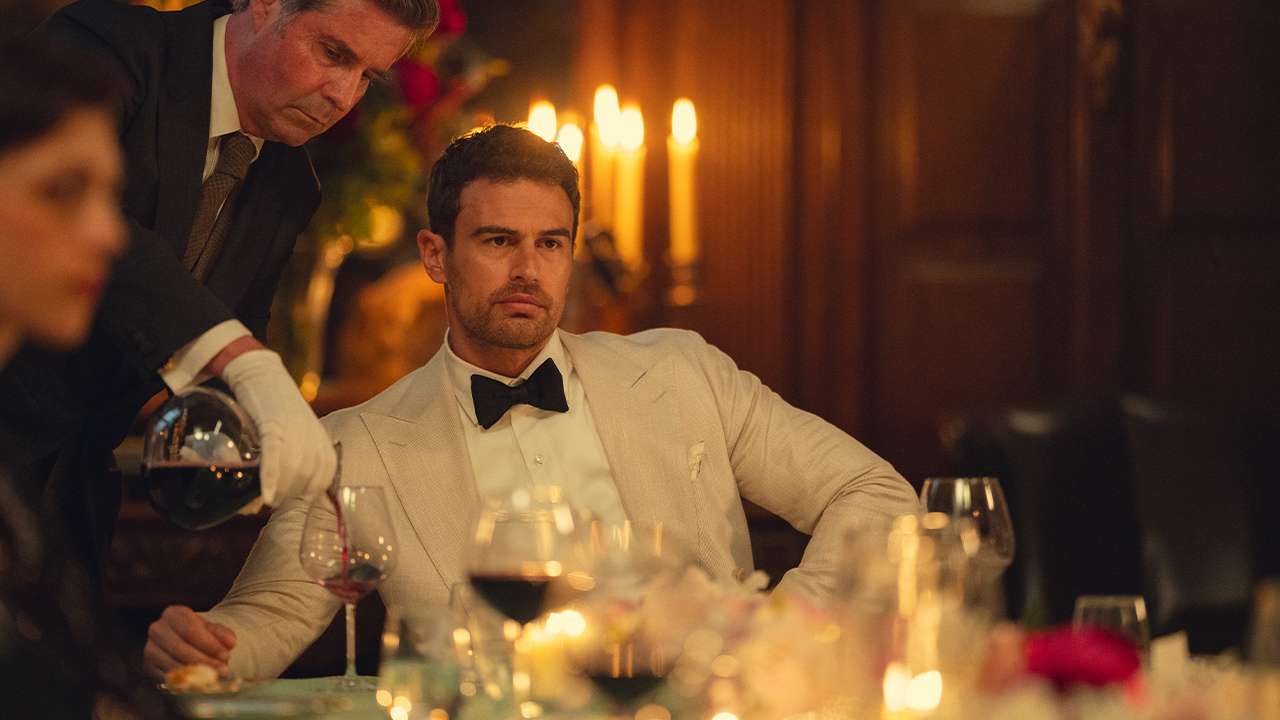
Ambition can’t be tamed…

Watch the first teaser trailer for The Bluey Movie, coming exclusively to theatres August 6, 2027!
Welcome home, Vision.