
Movie
Top 10 Unexpected Movies Where The Bad Guy Wins

There are many movies where the bad guy obviously wins, but what about the not-so-obvious ones?
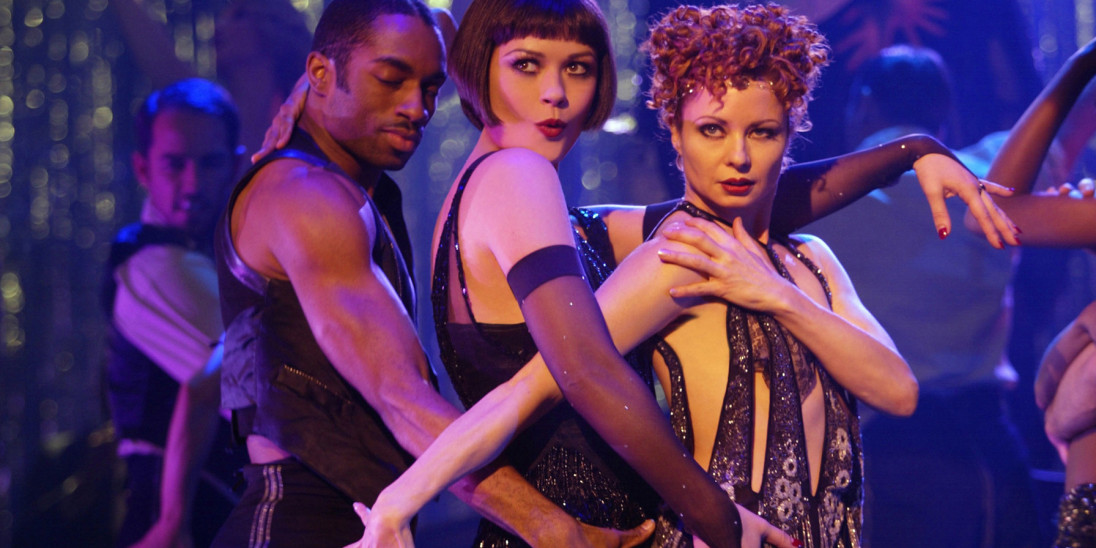
10: Chicago
Yes, they sang and danced superbly and had awesome hair and outfits. It’s easy to forget that
pretty much everyone in this film is a terrible person. That is, except for John C Reilly’s
character as the hapless husband, Amos and the wrongly accused Hungarian prisoner.
Hunyak (Ekaterina Chtchelkanova).The main characters: Roxy (Renée Zellweger) and Velma
(Catherine Zeta-Jones) are remorseless murderers (double murderer in Velma’s case!). Not
only did they both avoid life in jail or the death sentence, but became presumably rich and
famous with their two-woman show. So emboldened are they by their cheat of the justice
system, they dance knowingly to a cheering audience with prop guns. The performance is
iconic, though!
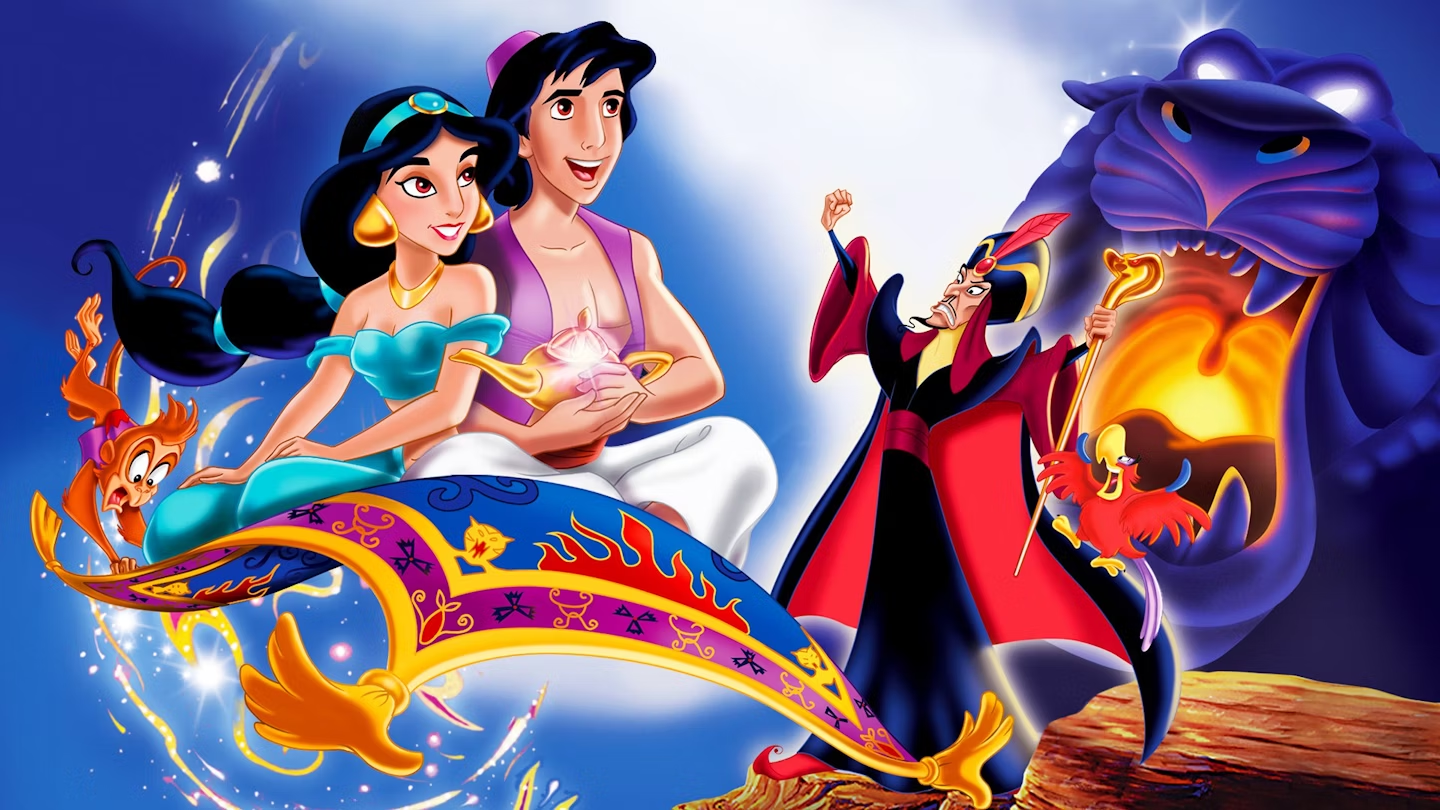
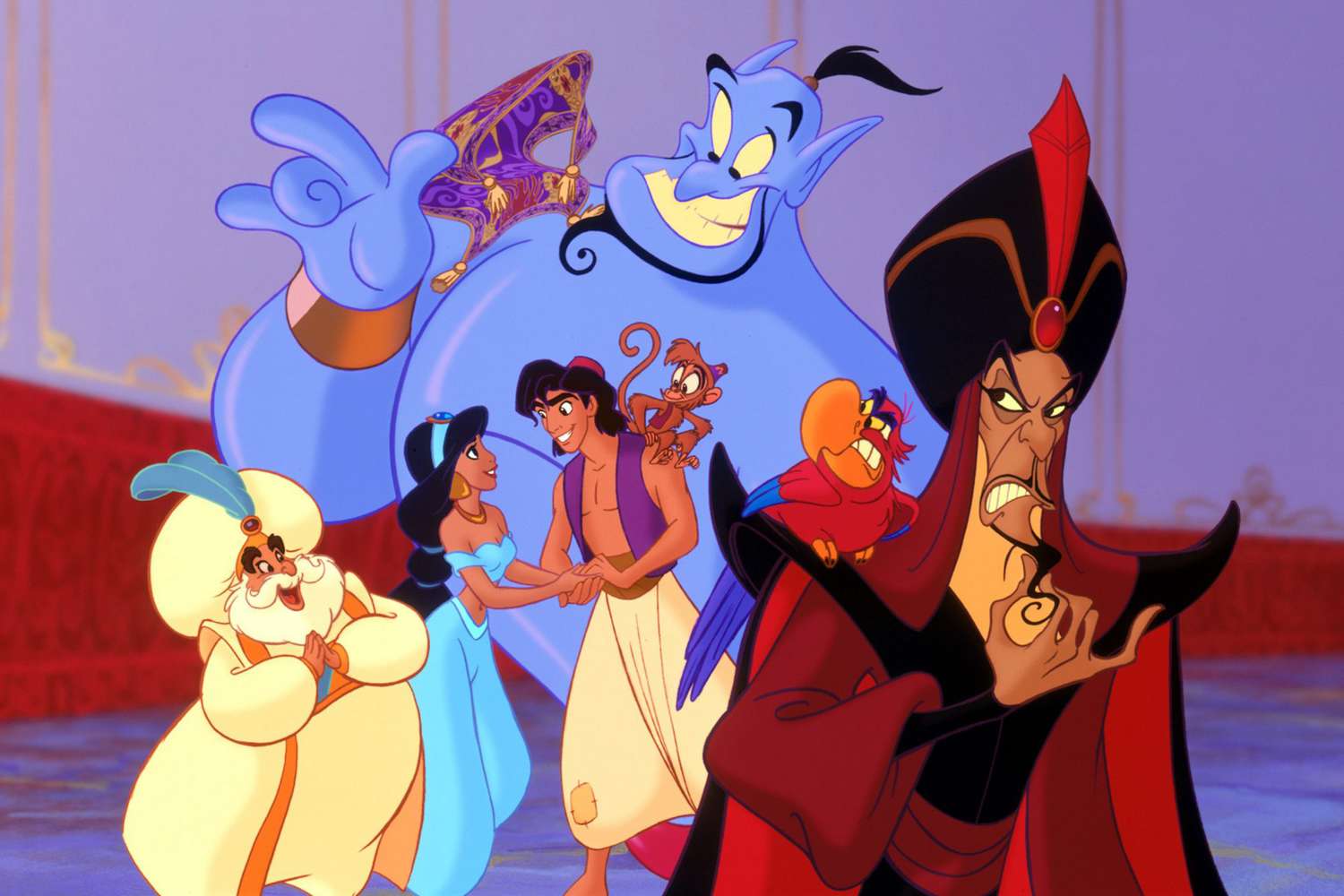
9: Aladdin
1992’s Aladdin not only gave us catchy songs and an unforgettable performance by the late, great Robin Williams. The animated feature also gave us an iconic villain in Jafar (voiced by Jonathan Freeman). Towards the end of the film, Aladdin tricks Jafar into using his last wish to make himself a genie to be a powerful as the Genie. Aladdin is maybe not known for his brain, but this seems rather short-sighted. Yes, it means Jafar is bound to his lamp, but he is still much more powerful than the mere human he was. We also know Jafar is incredibly manipulative (e.g., his relationship with the Sultan). Surely someone saw the flaw in this plan? Of course, Jafar makes his return in 1994’s aptly named The Return of Jafar. This undermines the closing scene of Aladdin when the Genie throws Jafar’s lamp into the distance for anyone to find. They could have at least kept Jafar’s lamp on them, all I’m saying.
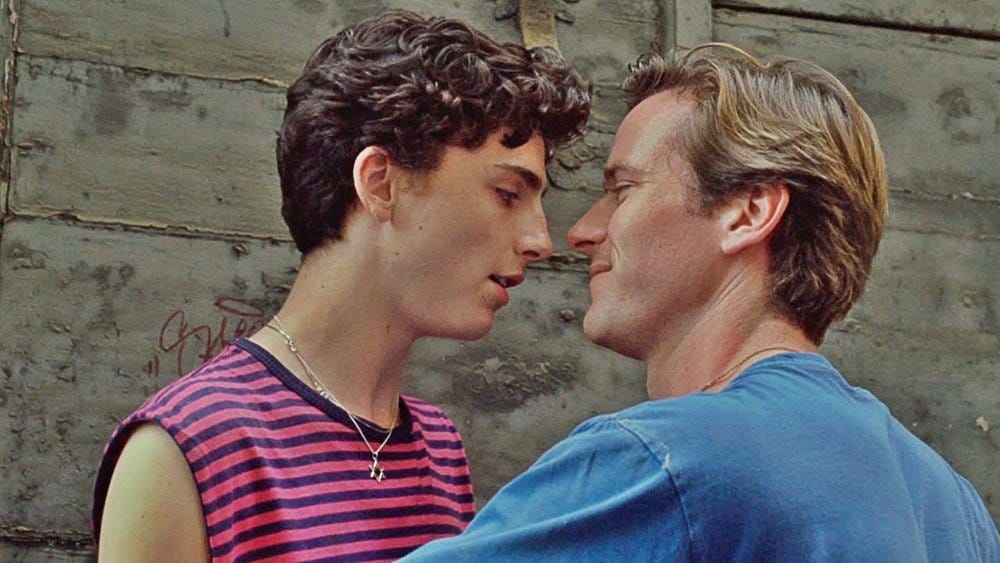
8: Call Me By Your Name
Luca Guadagnino’s 2017 film is, by all accounts a beautiful film in both cinematography and story. Guadagnino has said that the only real antagonist in the film was the passage of time, but under analysis, is this true? Call Me By Your Name has been criticised for the power imbalance in its central relationship, with protagonist Elio (Timothée Chalamet) being only 17 and his paramour Oliver (Armie Hammer) being 24. Throughout the film (and the book it’s based on), Oliver somewhat toys with Elio’s emotions by sporadically switching between flirtatious and standoffish. At the end of the film, Oliver tells Elio he is engaged, and the audience (and teenage Elio) can deduce that Oliver was probably in a relationship the whole time. Is Oliver really the villain of the piece? Has he left a trail of broken-hearted boys and girls throughout Europe? I confess in the 2019 sequel novel Find Me by André Aciman, my dark little heart was hoping the book would lean into this, but alas, no. And if every iteration of the story Oliver ‘wins’, he gets Elio’s devotion and a socially acceptable (of the time) marriage.
Shameless self-promotion! I discuss the Call Me By Your Name controversy here:
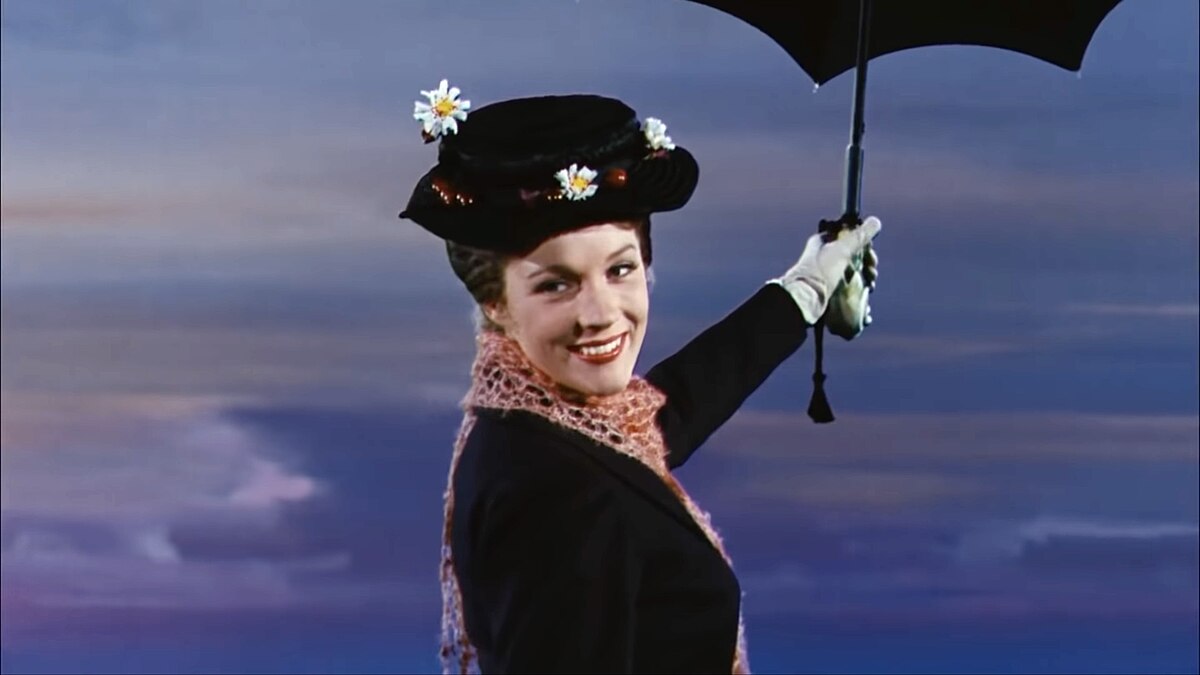
7: Mary Poppins
Yet another Disney offering from 1964. In recent years, many have pointed out the sinister
nature of the character Mary Poppins (is she a demon? A shapeshifter?). However,r I want to
focus on who I believe is the true villain of the piece: George Banks. Expertly played by the
late David Tomlinson, Mr Banks is the authoritarian father of the children Mary Poppins
cares for. He is a proud banker, runs his household with patriarchal ideals (though
interestingly, his wife is a proud Suffragette). Shows his two children no affection and takes
little interest in them, apart from dishing out discipline. To be fair,r this is probably pretty
normal for an English Edwardian father.
Mr Banks is the one who ultimately hires Mary Poppins, and it’s his life that is mostly changed
because of her. In the final scenes, Mr Banks is humiliated and fired from his job at the bank,
caused indirectly by his children under Mary Poppins’ influence. So, how does he win? Well
Mr Banks undergoes quite the transformation in which he mends his children’s broken kite
and takes them for a jolly kite flying trip complete with song. It is here that Mary Poppins decides she is not needed anymore.
Whilst flying said kite at the park, he meets his ex-employer’s son who not only reinstates Mr
Banks in the bank but promotes him. Now, at the start of the film, Mr Banks works too much,
and surely a promotion would mean more work? Yes, he learned some lessons from Mary
Poppins stays, but old habits die hard, and he is in pretty much the same position asat the start of the film, except with more money. Capitalism always wins, I guess.
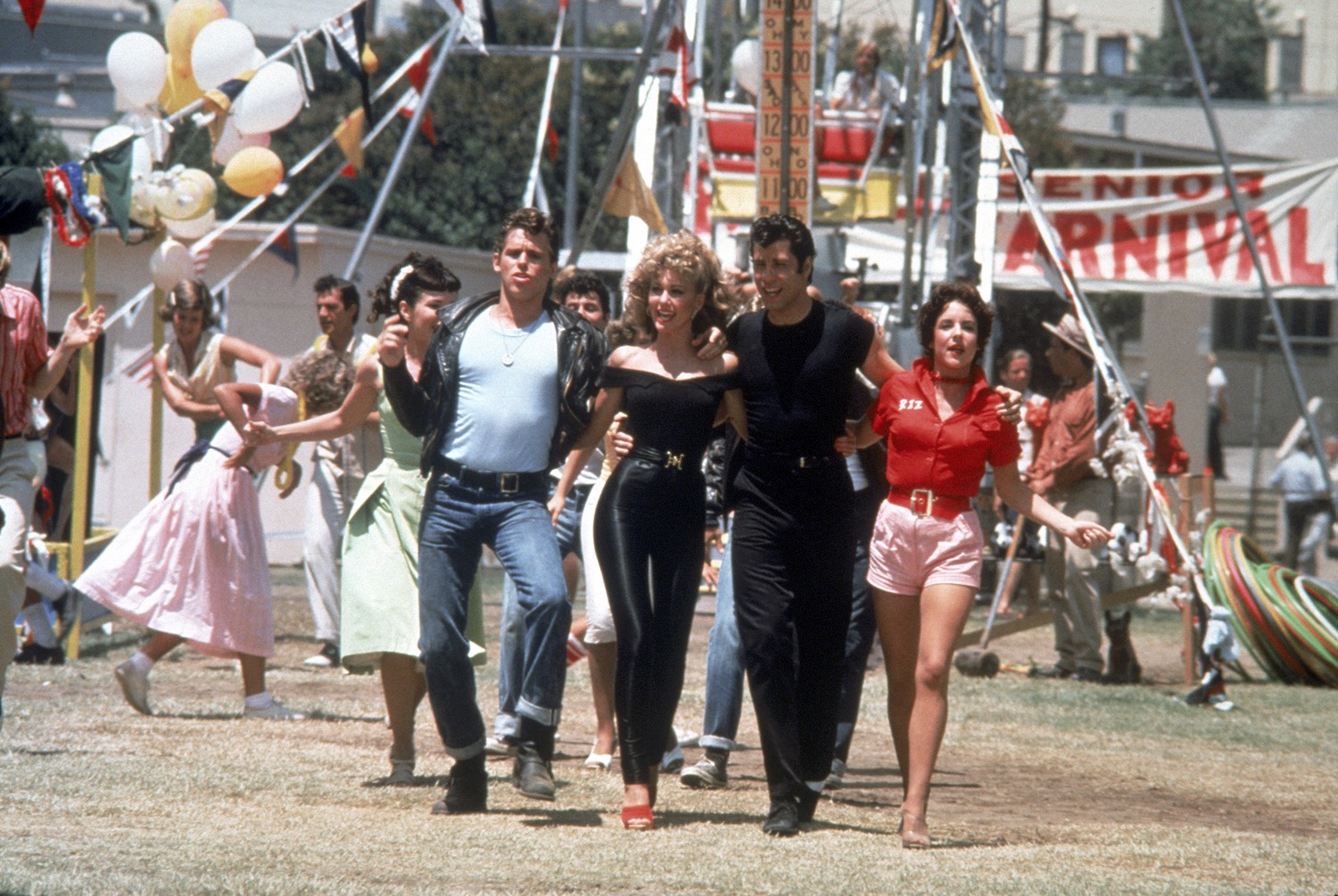
6: Grease
1978’s Grease is as nostalgic to me as it is to most people. The songs still slap, and is it really a celebration if you don’t embarrass yourself by dancing to Grease Lightning? We know now that the cast doesn’t really look like teenagers, and the film is extremely problematic. I would also argue that the bad guys aren’t the rival gang but Danny Zuko (John Travolta) himself.
Throughout the musical Danny mocks his summer girlfriend, Sandy (Olivia Newton-John), upon meeting her again, tries to hide her from his friends whilst on a date, ditches her for another woman at a school dance, and tries to assault her at a drive-in movie. Not only that, but he then sings a woe-is-me song about being abandoned at the drive-in by the woman he most likely terrified.
To top it all of Sandy transforms her personality and appearance to be more ‘cool’ for Danny who she still pines after for some reason. Danny makes the token effort of putting on a cardigan but immediately rips it off when he realises he’s won and Sandy has sewn herself into skintight trousers just for him. Remember girls always change yourself for a man!
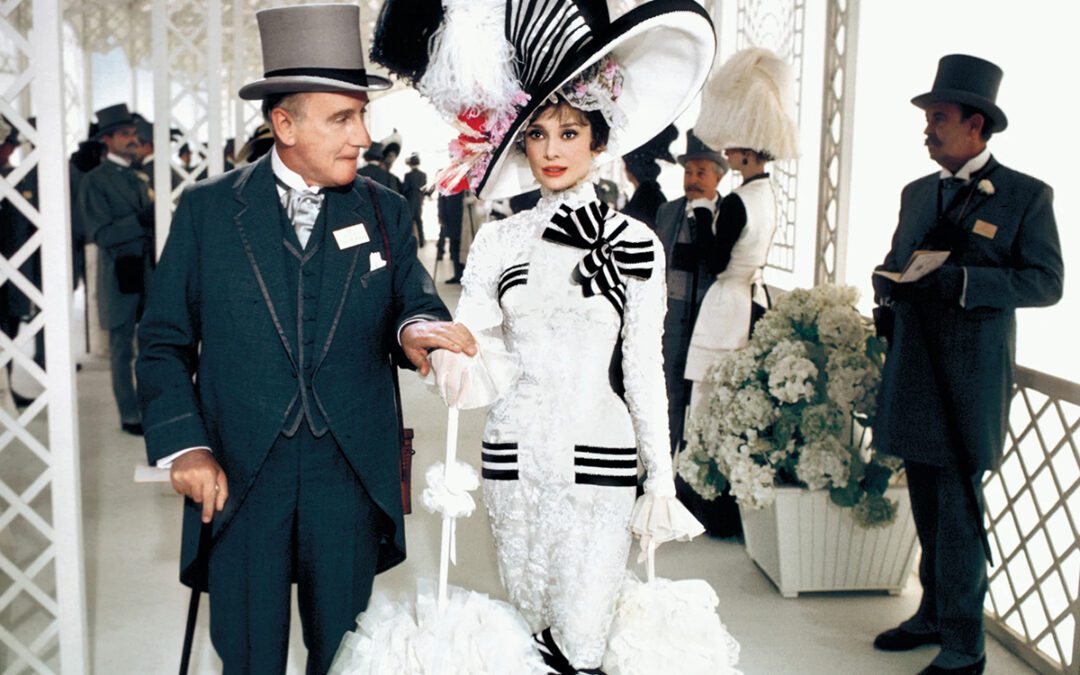
5: My Fair Lady
Speaking of women changing themselves for men, 1964’s classic, My Fair Lady, is a perfect
example. Henry Higgins (Rex Harrison) plucks flower seller Eliza (Audrey Hepburn)
from the street and claims he could pass her off as a duchess under his tutelage. Eliza takes
him up on his offer despite Higgins being a clear misogynist with a mistrust of women.
Throughout the musical, Higgins berates, mocks, and shoves marbles into Eliza’s
mouth, still she becomes the epitome of an upper-class woman, enchanting all who meet her.
Eliza thankfully finds her self-worth and walks out due to Higgins’s treatment of her.
Higgins himself does seem a little upset by her leaving, as he has “grown accustomed to her
face”. Charming.
Unfortunately, in the final scene, Eliza returns to him and he immediately asks her where his
slippers are (again charming). If it makes anyone feel better, in the George Bernard Shaw play
the musical is based on, Pygmalion, Eliza does not return.
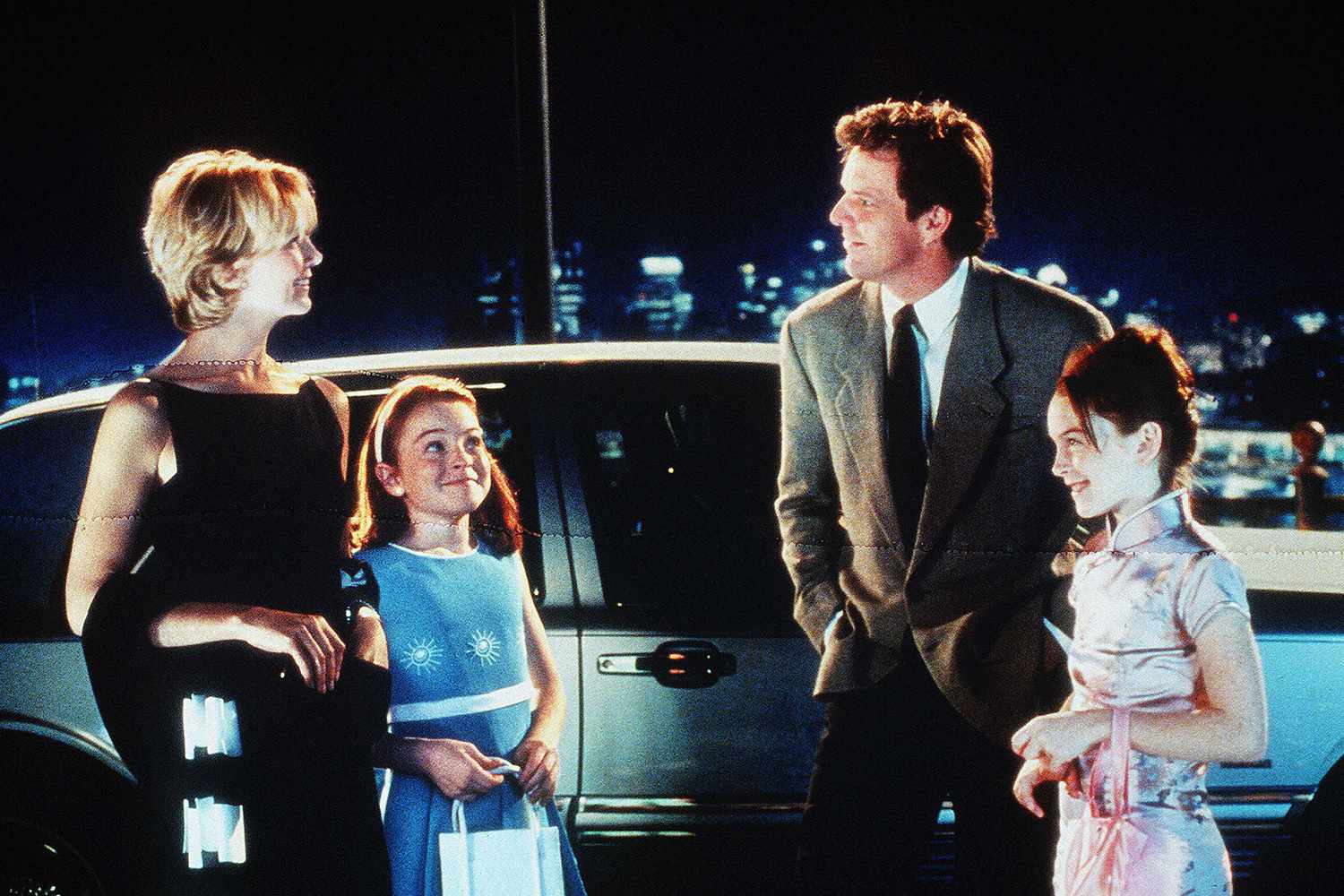
4: The Parent Trap
Yes, it’s another Disney! Lindsay Lohan stars as both of the twins in 1998’s The Parent Trap.
It’s a fun movie filled with ’90s nostalgia, so it may surprise many that the villain is not
Hallie’s would be stepmom Meredith Blake, but the parents themselves!
Look, I loved Natasha Richardson’s (RIP) neurotic mother character, and I wanted to live in
the gorgeous house in the Napa Valley in California and run a vvineyard at8 years old. But
let’s be real here; these people are terrible parents. They deliberately split up not only siblings
but also identical twins so the parents would never have to see each other again (solid plan). Any
twins that have been split up at birth throughout history report it as obviously very damaging
and feel like they are missing a part of themselves.
I mean, I’m sorry you had a bad divorce, but you are parents, and I’m pretty sure you have to
put your children first. Not only were they fine with ripping apart siblings, they are also happy
robbing them of having two ‘loving’ parents. AND they were going to do it again! After a
disastrous ‘date,’ they decide that they will trade the girls (separately) on various holidays,
splitting the twins up yet again. Real A+ parenting.
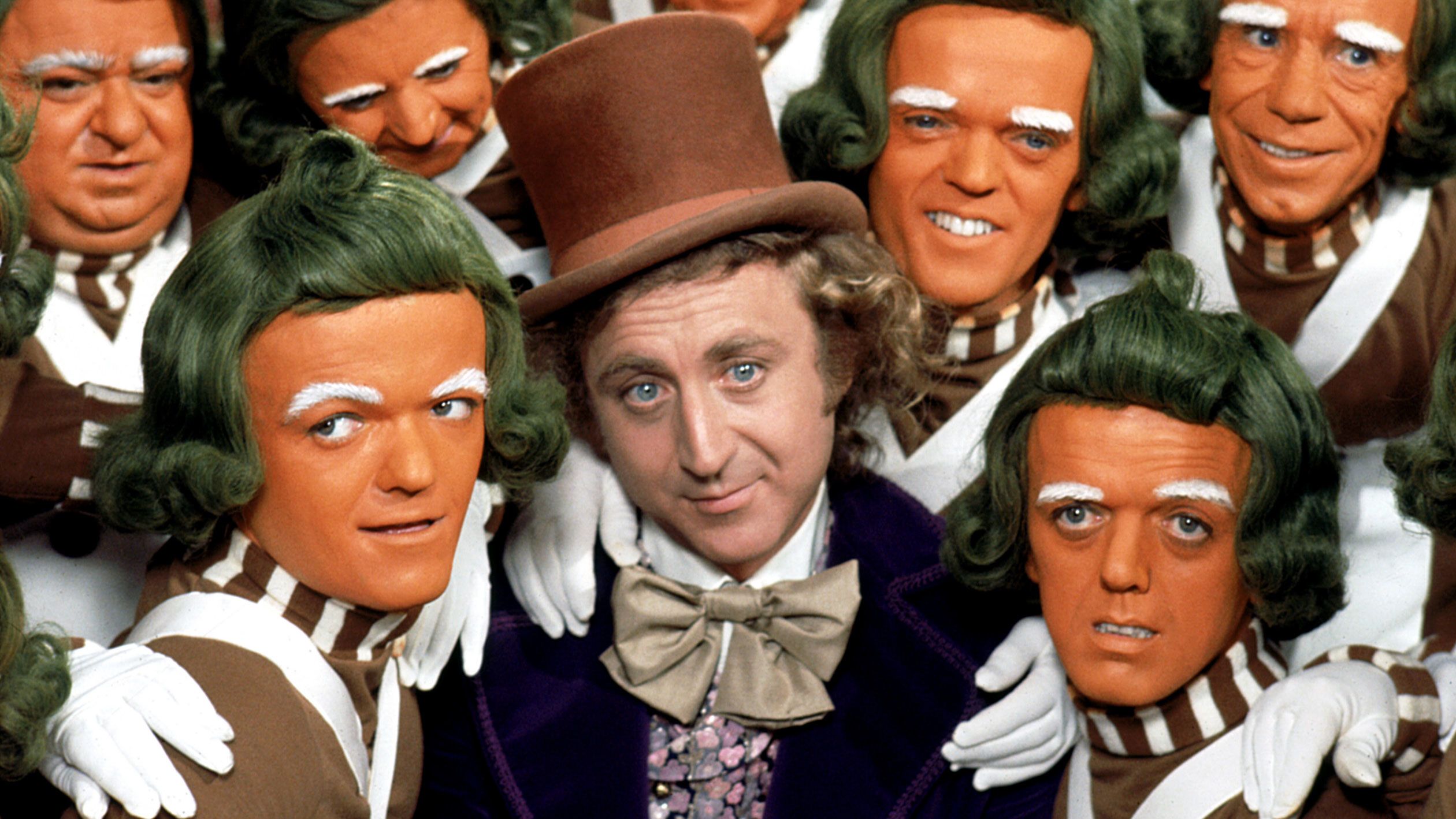
3: Charlie and the Chocolate Factory
Over the years since Charlie and the Chocolate Factory in 1971, people have pointed out how
sinister Willy Wonka (Gene Wilder) is (the riverboat scene, anyone?). And indeed that was
how he was written by Roald Dahl, as someone who killed and/or maimed the children visiting his factory. But I believe the true villain is hiding in plain sight…Grandpa Joe (Jack
Albertson).
The internet has pointed out how Grandpa Joe is bedbound until he gets the opportunity to
visit a chocolate factory, and then he is up, singing and dancing. That aside, Grandpa
Joe is the one who convinces his grandson Charlie to leave the tour group. Wonka has
explicitly warned them not to leave the group. Grandpa Joe also convinces Charlie to sample
some ‘Fizzy Lifting Drinks’, which causes the duo to float and get into hijinks.
When Wonka rebukes Grandpa Joe (quite rightfully) for stealing the drinks and damaging the
ceiling, Grandpa Joe even says he’s going to give the everlasting gobstopper to someone he
believes to be Wonka’s competitor. But Grandpa Joe suffers no consequences when
Charlie becomes Wonka’s successor, an opportunity Grandpa Joe nearly lost him, and he and the others. The family is invited to live with Charlie at the magical factory.
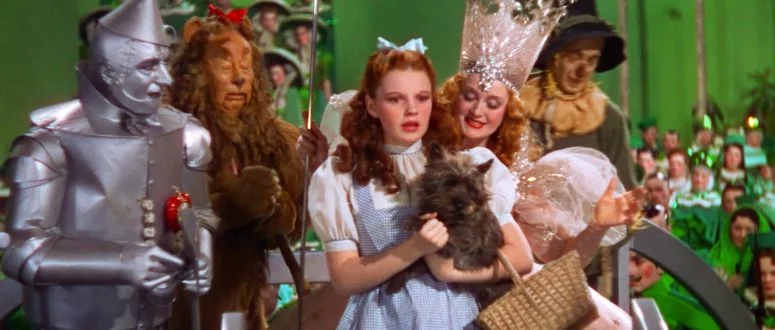
2: The Wizard of Oz
With the blockbuster Wicked finally being released last year, many have been looking back at
the 1939 original with a new understanding. Was Glinda (Billie Burke) the bad witch all
along? Let’s look at the evidence; with Dorothy’s (Judy Garland) orchestrated arrival in Oz,
Glinda has gotten rid of both the Wicked Witch of the East and West. Not only that, but Dorothy
also inadvertently gets rid of the phony Wizard when the Tin Man inexplicably lets go of the
air balloon rope, and the Wizard flies into the distance, panicked, unable to land.
Let us also not forget that Glinda forced a dead witch’s slippers on Dorothy’s feet and sent
her on a perilous journey to someone she probably knew was a conman (the Wizard) to
‘help’. So with all the major players off the board, thanks to the manipulated Dorothy, Glinda
is free to be the sparkly dictator ruling Oz with an iron wand!
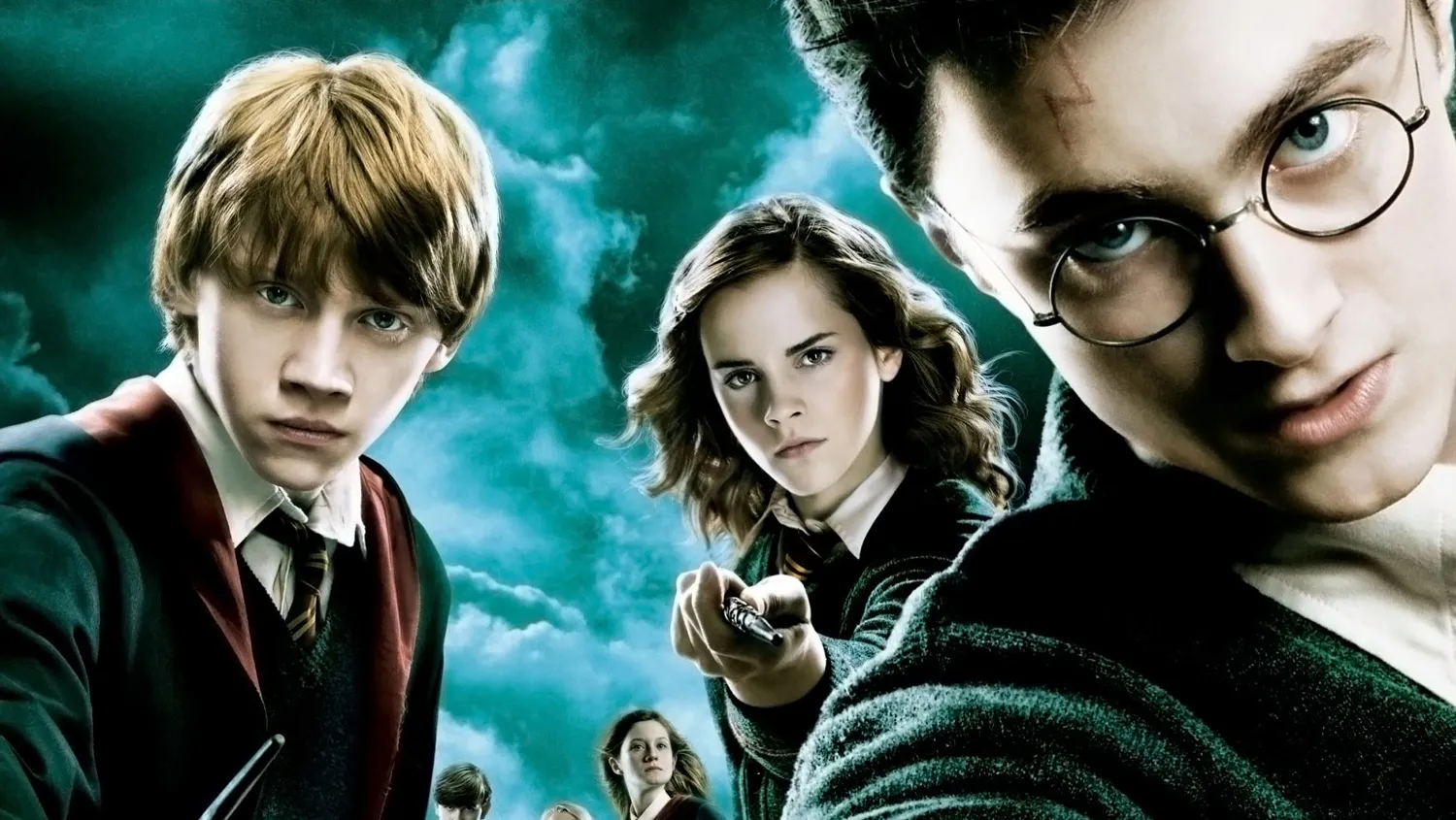
1: Harry Potter
This one may be a bit of a cheat using a whole franchise, but as probably the most successful.
Of all time, it needs to be said!
We all know that the evil Voldemort (Ralph Fiennes) was defeated by the boy wizard Harry
(Daniel Radcliffe) But was Voldemort the villain or just a symptom of a corrupt
system? The wizarding world seems to have a lot of problems, the least of which being
relying on an abused and neglected minor to save it. This world also engages in a plethora of
troubling behaviour, such as; enslaving certain magical races (house elves), their treatment of
‘squibs’ or non-magical people born into magical families, and the corruption in the Ministry
of Magic, which allowed Voldemort (and others like him) to rise to power.
So at the epilogue of the first film series (Harry Potter and the Deathly Hallows), our
protagonist has not toppled a corrupt system. A system that knowingly sent him back to his
abusive relatives year after year (did no one notice his Hogwarts letter was addressed to the
cupboard under the stairs?). Instead, Harry has become the equivalent of a wizard cop, a part
of the villainous system. Life imitates art, I guess?



Telugu Cinema Goes Direct to U.S. Fans: Nani and Anirudh Ravichander Bring The Paradise to Dallas

Opinion | Ramayana Changes the Game for Bollywood

Marvel Showcase

300 Part 1 vs 300: Rise of an Empire

Telugu Cinema Has Conquered Hyderabad. Is America Next?
D23 2026 Day One Delivers a Mountain of Disney Reveals, From Avengers: Doomsday and Star Wars: Starfighter to Frozen 3
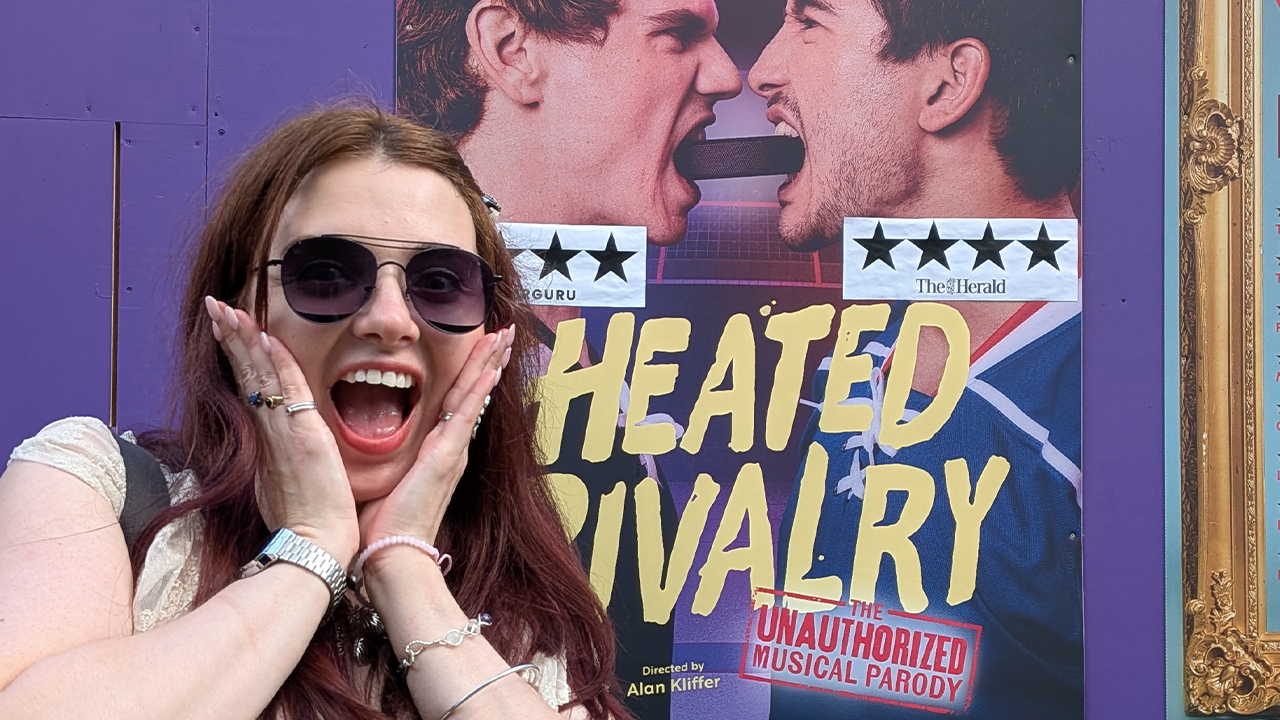
The Edinburgh Fringe Gets Heated!
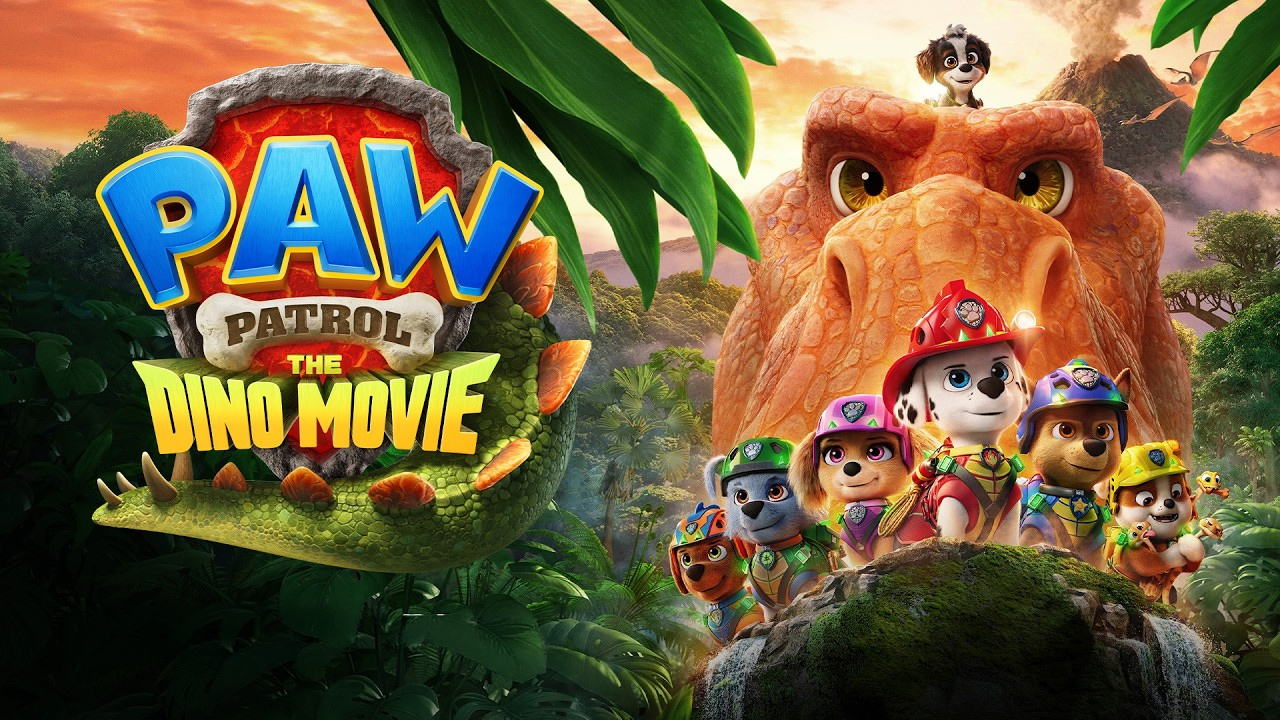
PAW Patrol: The Dino Movie Review: A Prehistoric Adventure That Feels Like Thunderbirds for a New Generation
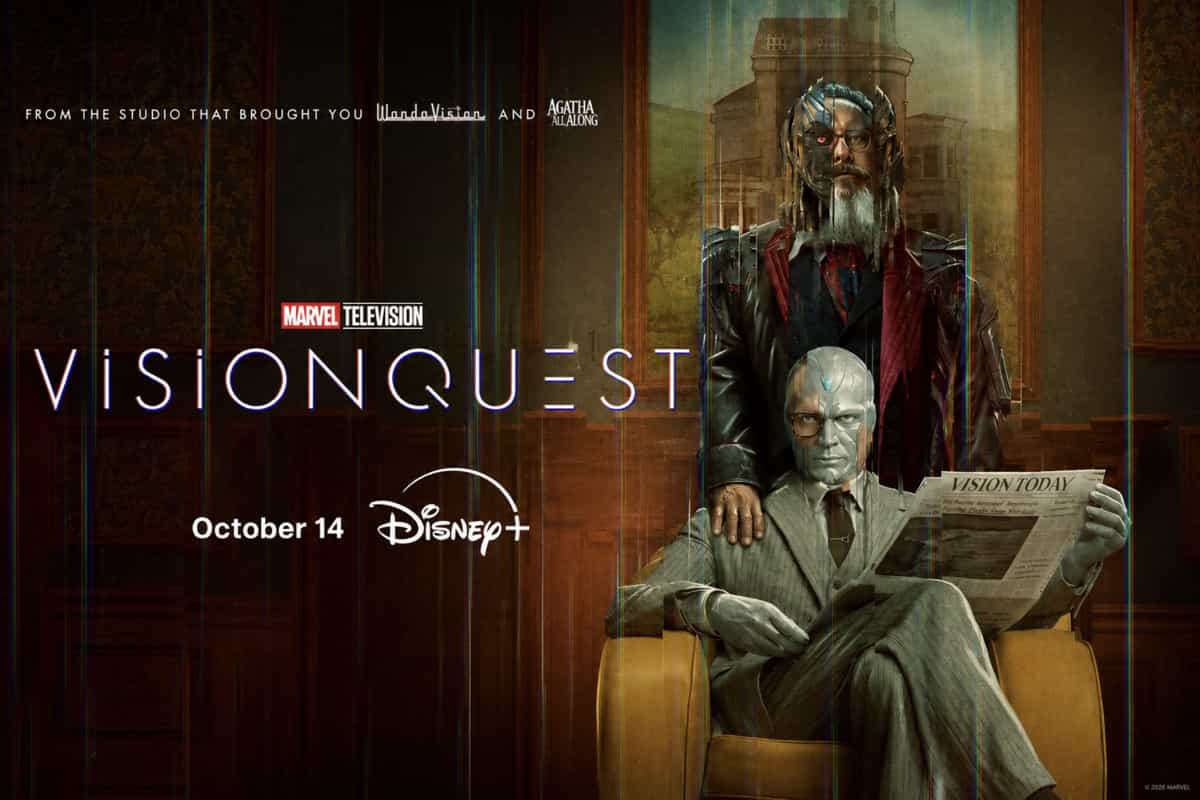
Welcome home, Vision.
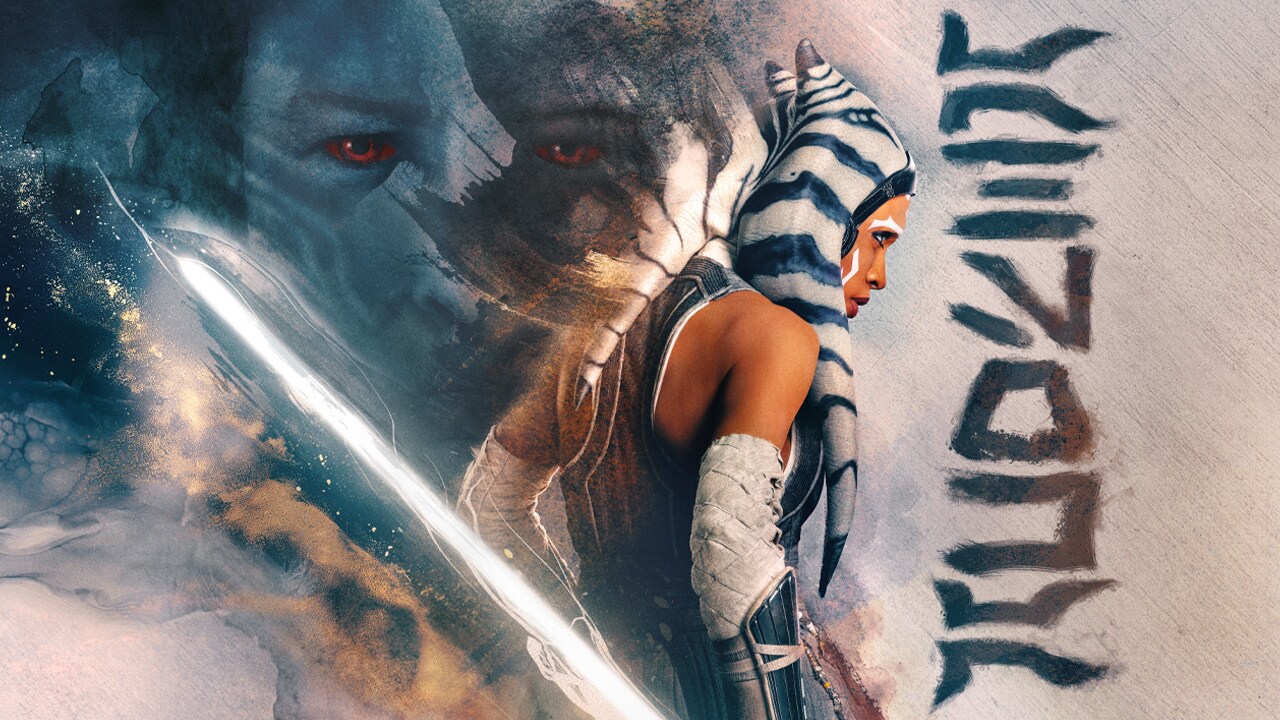
Are you a Jedi… or not?
Reassemble the team & relive the experience as Avengers Endgame: Encore
Ambition can’t be tamed…
Watch the first teaser trailer for The Bluey Movie, coming exclusively to theatres August 6, 2027!
Welcome home, Vision.
Are you a Jedi… or not?