

Movie
Why American Audiences Should Put Ramayana on Their Movie Radar

An epic rooted in Indian tradition offers American moviegoers a chance to discover a different cinematic world—and a deeply familiar human struggle.
A kingdom. An exile. An extraordinary journey shaped by love, loyalty, and the consequences of power.
For American audiences who love sweeping adventures, those ingredients need little introduction. In Ramayana, they belong to a story that holds profound cultural and religious meaning for millions of people—and one that many U.S. moviegoers may be encountering for the first time.
That opportunity for discovery is precisely why this film deserves attention.
Directed by Nitesh Tiwari, the two-part adaptation stars Ranbir Kapoor as Rama, Sai Pallavi as Sita, and Yash as Ravana. Produced through the collaboration of Namit Malhotra’s Prime Focus Studios and Yash’s Monster Mind Creations, the project has explicitly set its sights on audiences around the world.
You do not need to arrive with a background in Indian literature or Hindu tradition to be curious about its characters. At the heart of the epic are questions that travel across cultures: What do we owe the people we love? What happens when duty demands personal sacrifice? How does someone wield power without being consumed by it?
The cultural context gives those questions their particular meaning. For newcomers, discovering that context can be part of the pleasure of watching.
American moviegoers already embrace stories set in unfamiliar kingdoms, imagined civilizations and distant galaxies. Ramayana invites that same willingness to enter another world, while asking audiences to recognize that its characters and events carry a significance extending far beyond the screen.
Its international creative team offers another reason to pay attention. Academy Award winners Hans Zimmer and A.R. Rahman are collaborating on the music, while announced contributors include action specialists Terry Notary and Guy Norris and production designers Ravi Bansal and Ramsey Avery. The project is being filmed for IMAX, with visual effects from DNEG and ReDefine. These choices signal an ambition to deliver a theatrical experience that can speak across languages and markets.
Still, recognizable names are an invitation, not a verdict. The film must earn its emotional impact through its performances, storytelling, and execution. What makes the collaboration interesting is the possibility of seeing those international filmmaking resources serve a distinctly Indian perspective.
For U.S. audiences, that perspective is an attraction in itself. Watching cinema from another culture expands the range of heroes, conflicts, and ideas we encounter. It can also change whose stories we expect to see presented with the scale and care of a major theatrical event.
The filmmakers are actively pursuing that wider audience. Malhotra and Yash presented the project at CinemaCon 2026 in Las Vegas, engaging with international exhibitors, partners and media. Sony Pictures is identified as its global distributor, providing an established route to audiences beyond India.
There is also something valuable about experiencing a culturally significant film in a shared theater. Some viewers may arrive with years of personal connection to the Ramayana. Others may know only the title. Watching together creates an opportunity for conversation: about an interpretation, a performance, a moment of recognition, or a question someone wants to understand better.
American audiences should approach Ramayana with curiosity and an open mind. Let the film introduce its world. Pay attention to the relationships beneath the spectacle. Leave room for the possibility that a story unfamiliar to you can still move you.
The next epic that captures your imagination could begin with a tradition you have yet to explore.



A Universe Begins. See how Narnia was created in The Magician’s Nephew,
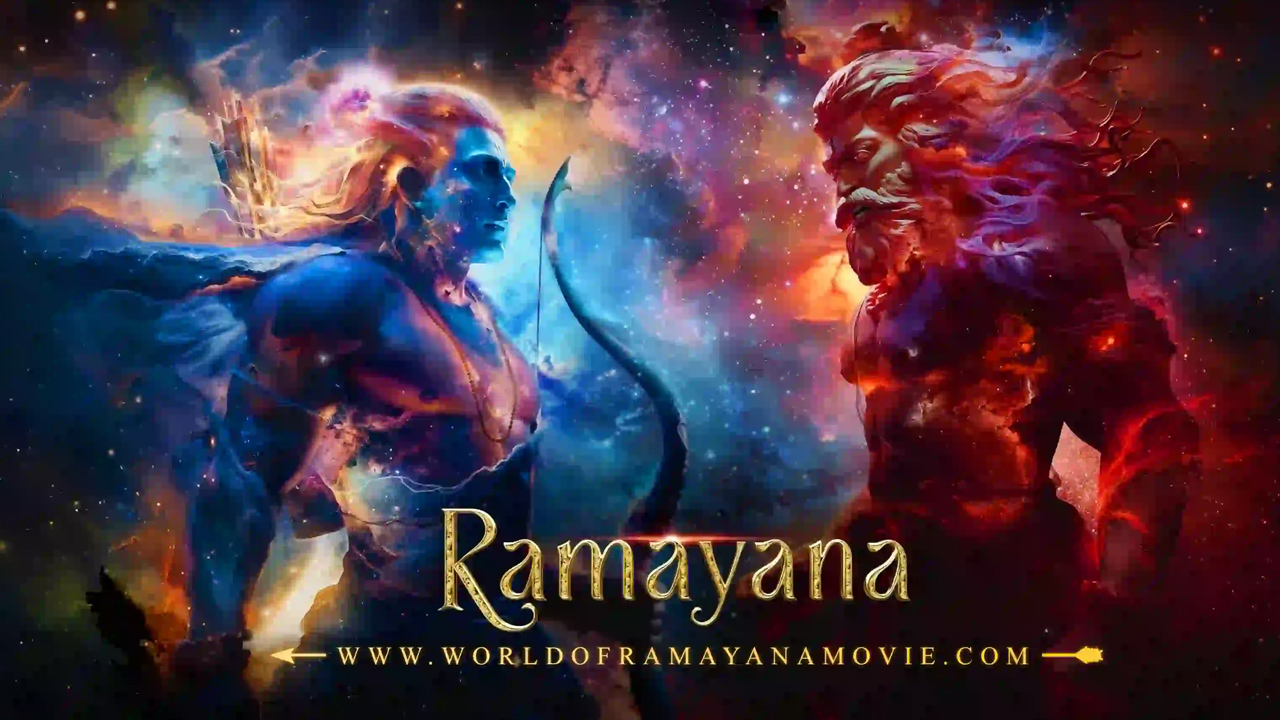
RAMAYANA: RISE OF A LEGEND – NEW TRAILER
SDIFF 2026: Opening Night Gala
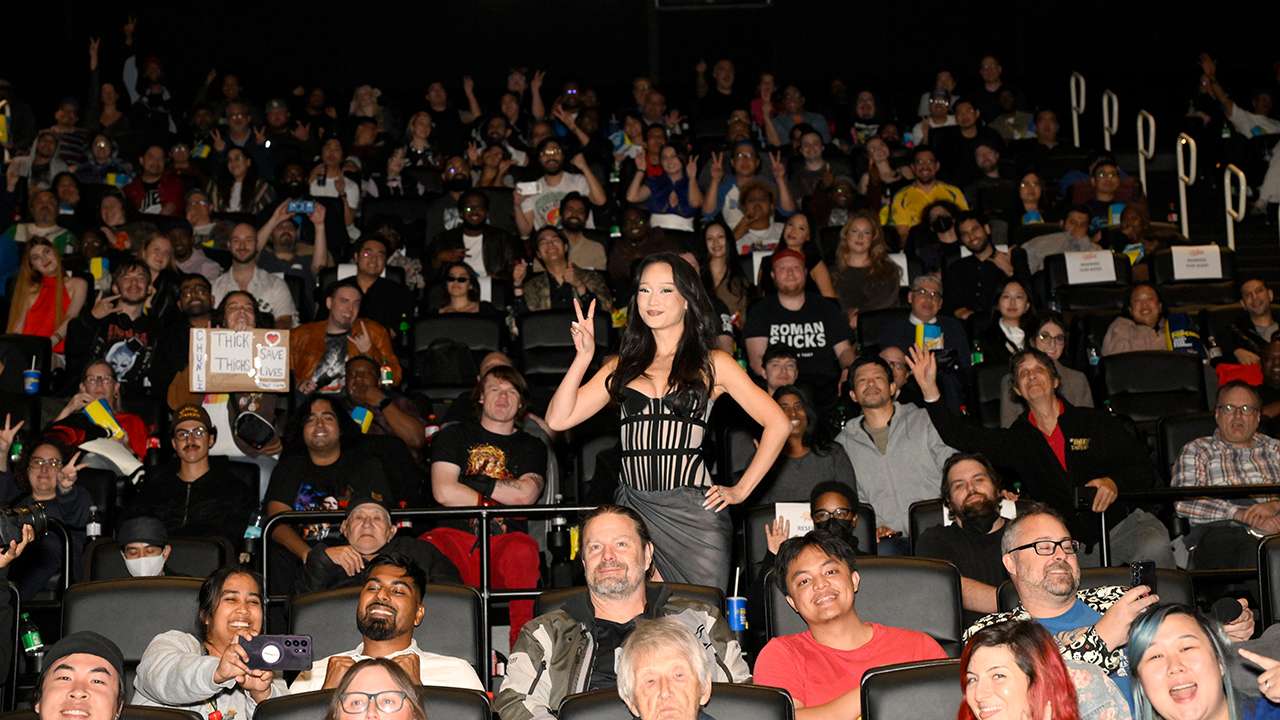
STREET FIGHTER TALENT ACROSS THE GLOBE AT WORLD WARRIORS ADVANCE SCREENINGS ON WEDNESDAY, OCTOBER 14
He’s been busy. #Beekeeper2
AMC Global Media Sets New York Comic Con Lineup With Kill Jackie, YAGA, Mayfair Witches and Daryl Dixon

Fanhome Brings Star Wars, Star Trek, Marvel, Harry Potter and More to New York Comic Con 2026
BlumFest 2026 Brings Mike Flanagan, James Wan, Jason Blum and More to New York Comic Con

KAYOU Brings Arden Cho, My Little Pony Artist Andy Price and tokidoki’s Simone Legno to New York Comic Con

Scared Straight? Leviticus: When Supernatural Meets Real-Life Horror
A Universe Begins. See how Narnia was created in The Magician’s Nephew,
RAMAYANA: RISE OF A LEGEND – NEW TRAILER
He’s been busy. #Beekeeper2
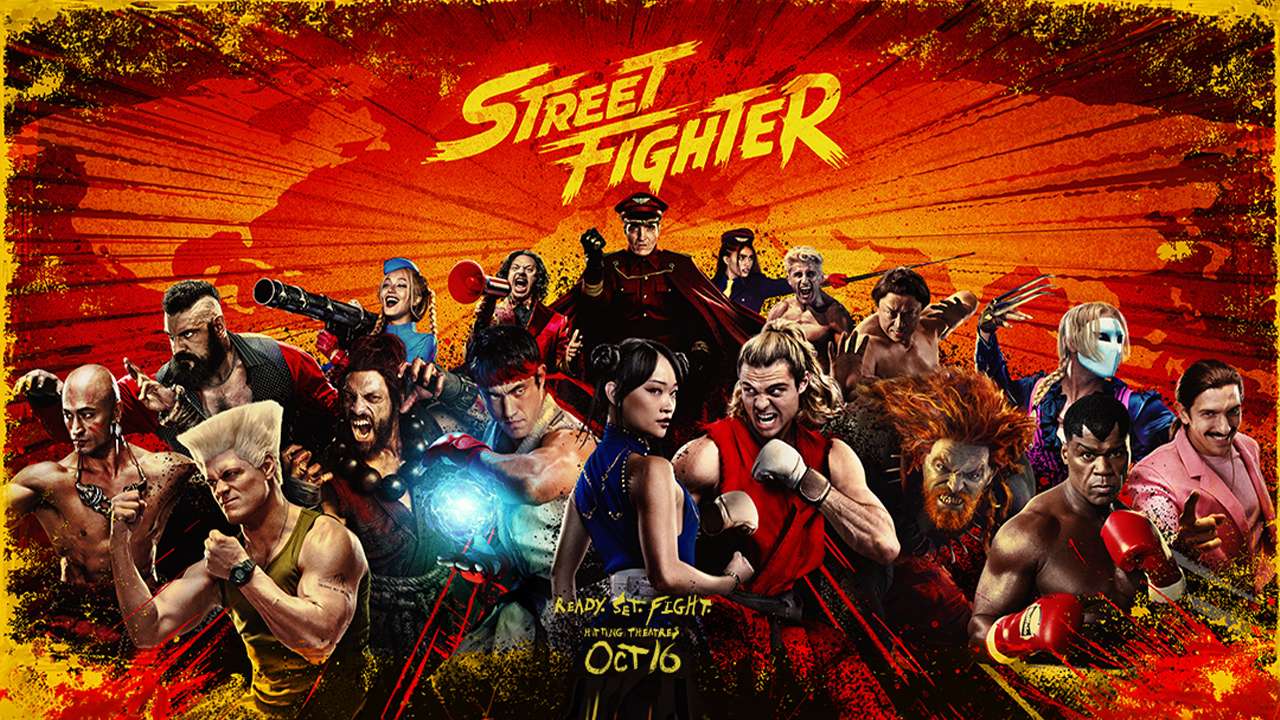
For everyone who’s ever said “one more round.”
In four weeks, look fear in the face