
Uncategorized
Ramayana’s LA Premiere Has Everyone Talking. But Will the Emotion Match the Spectacle?

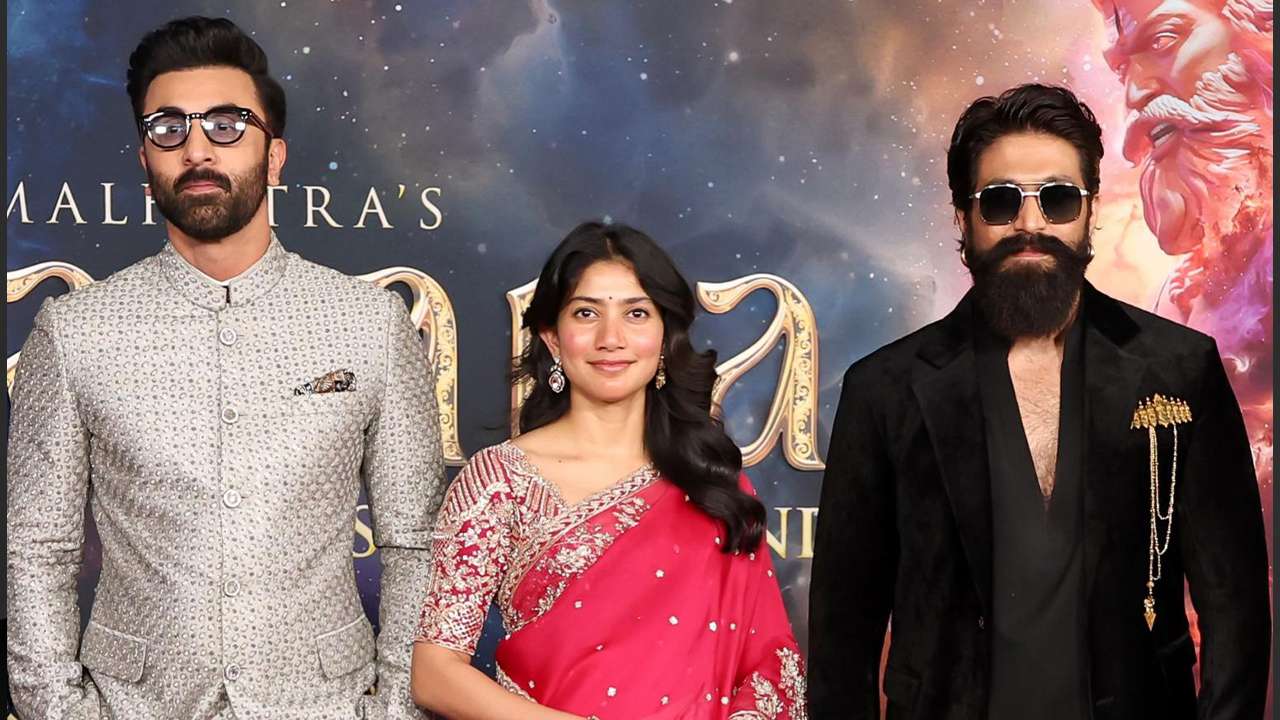
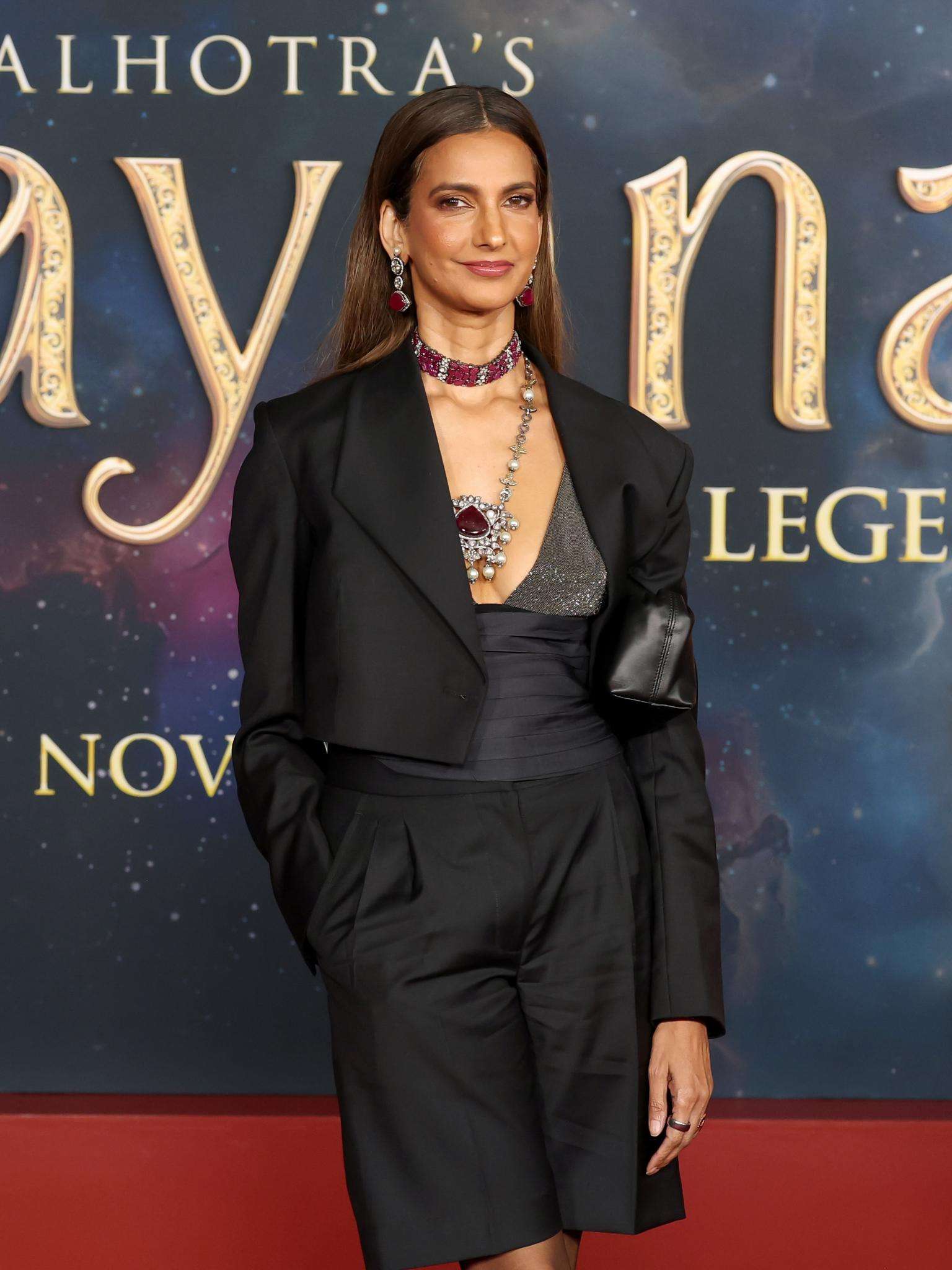
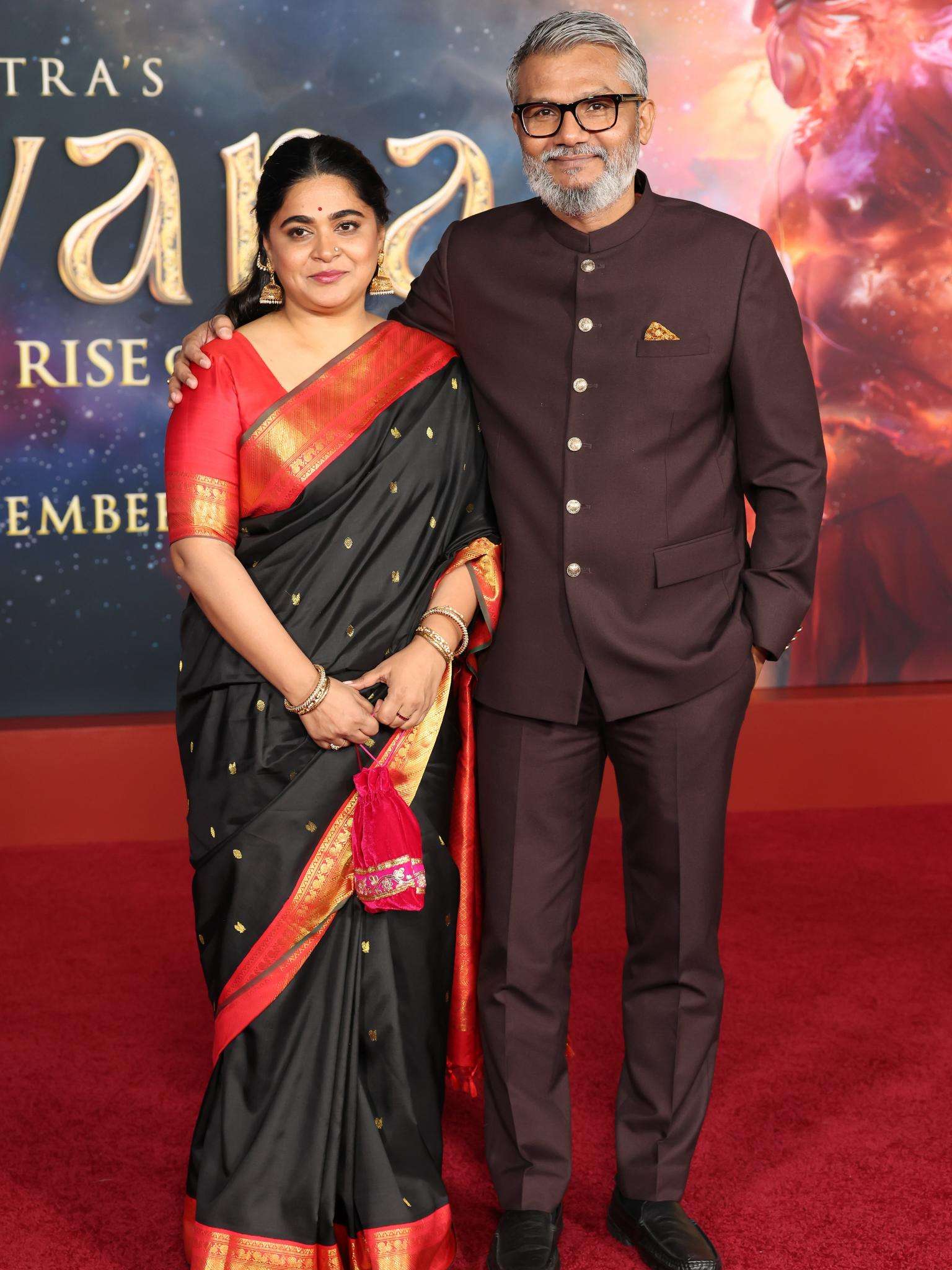
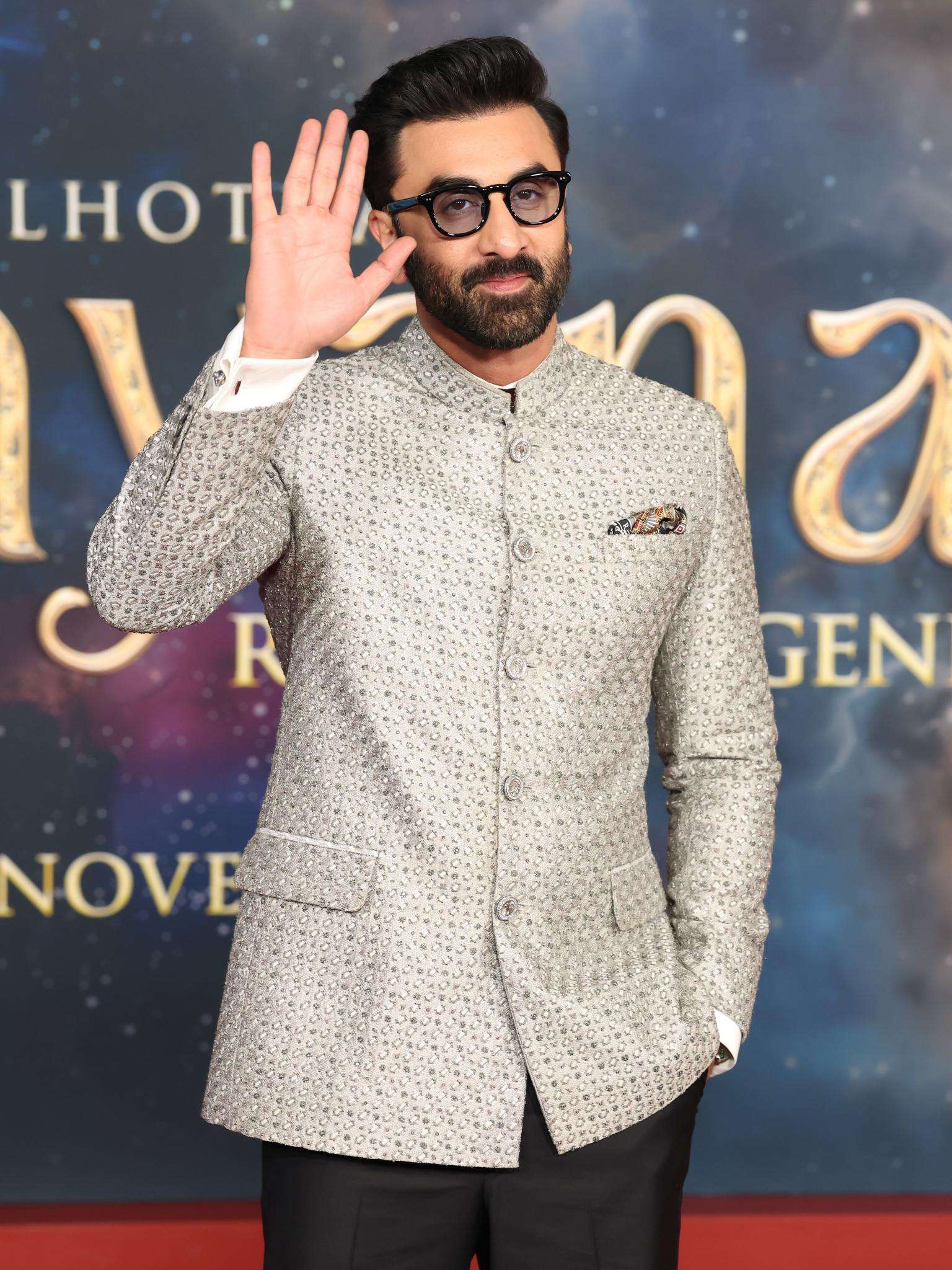
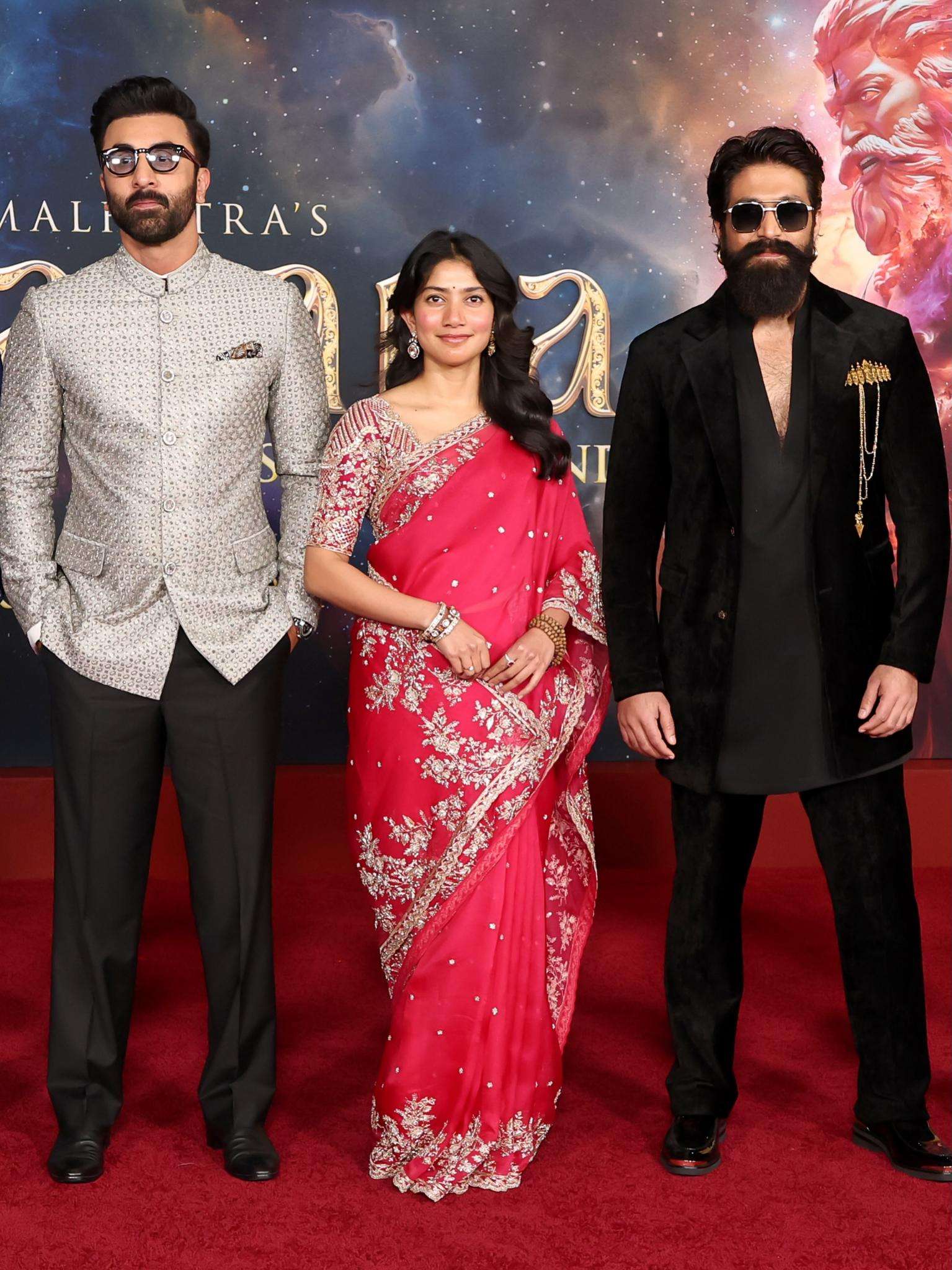
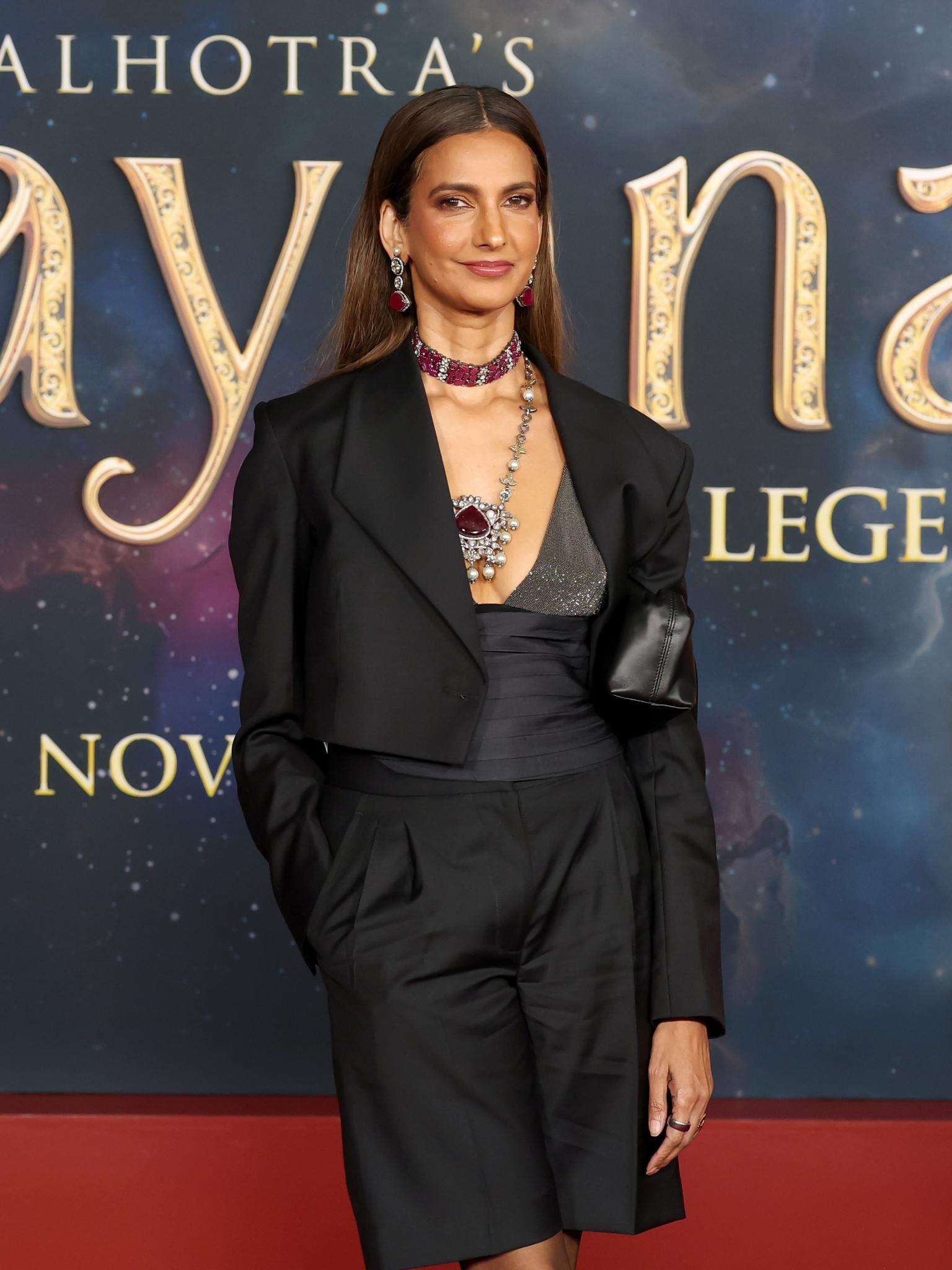
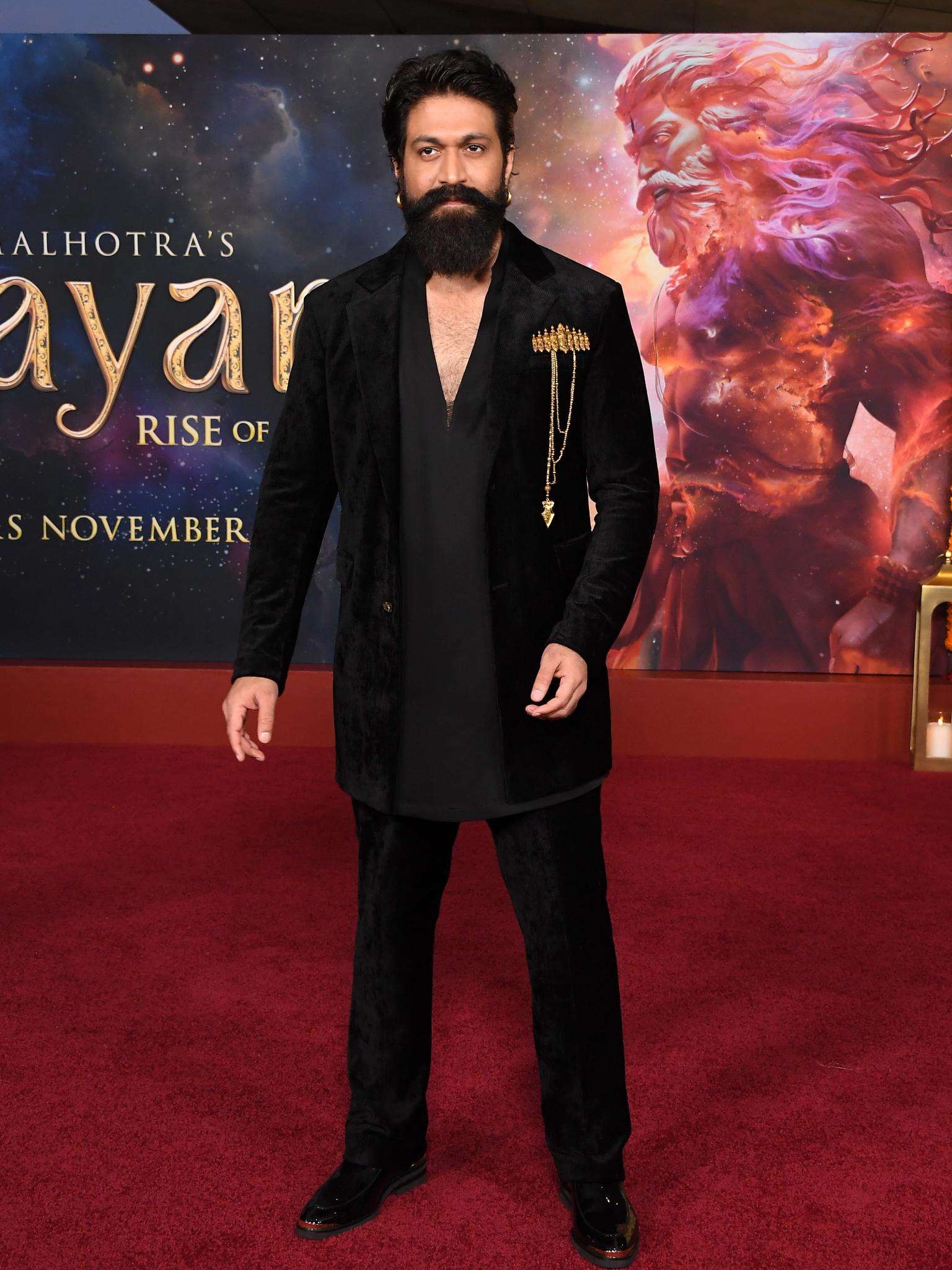
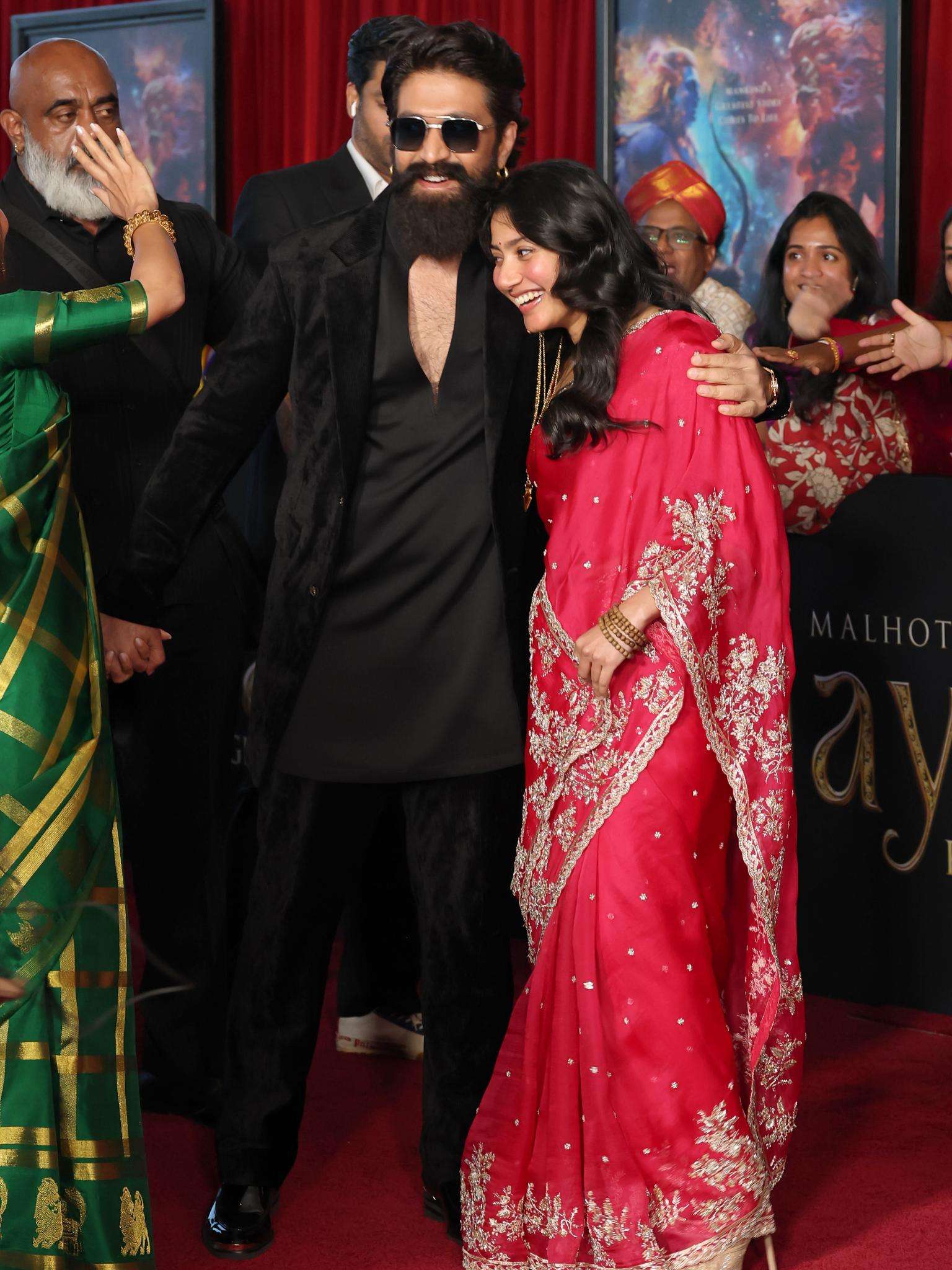
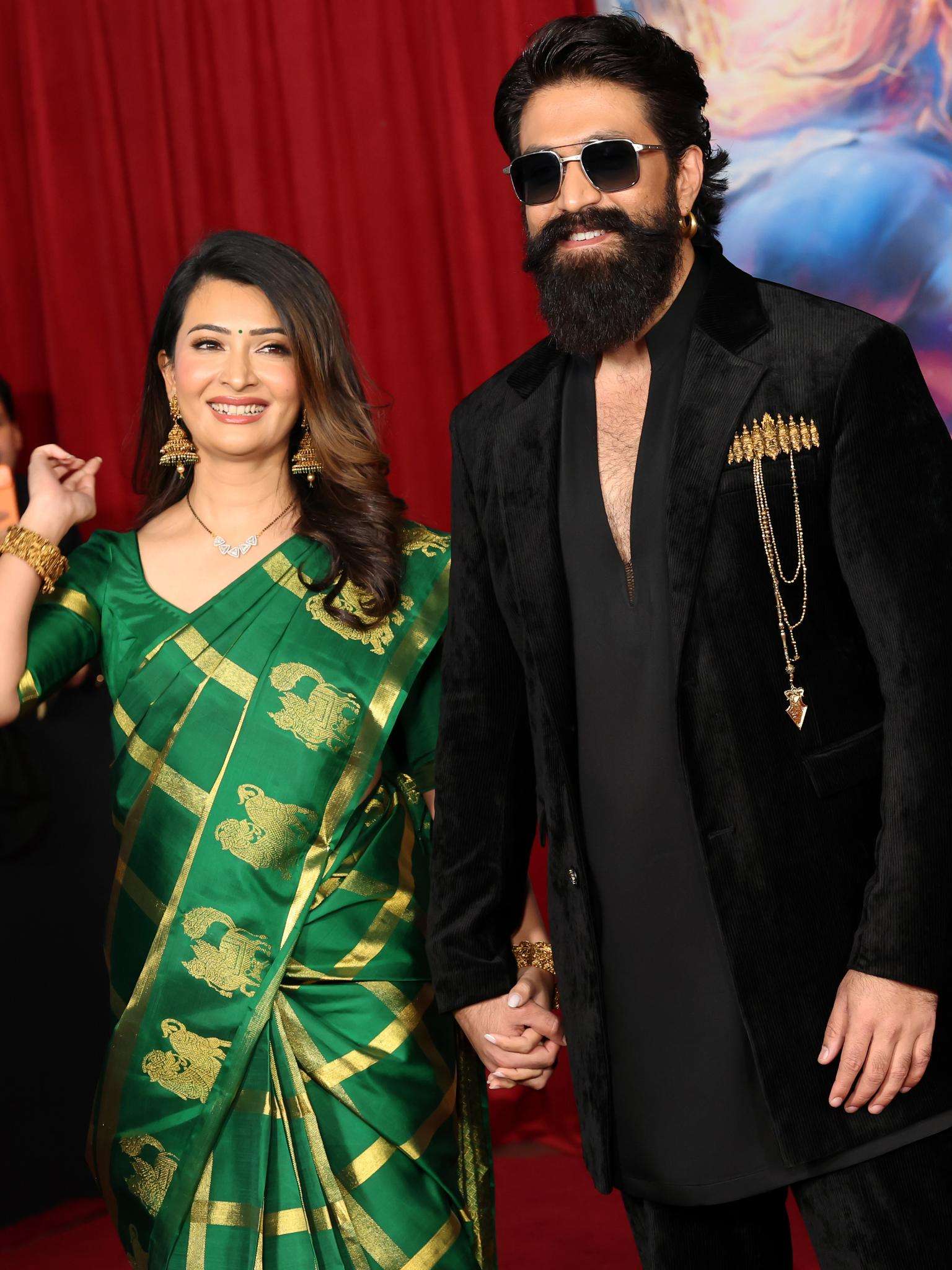
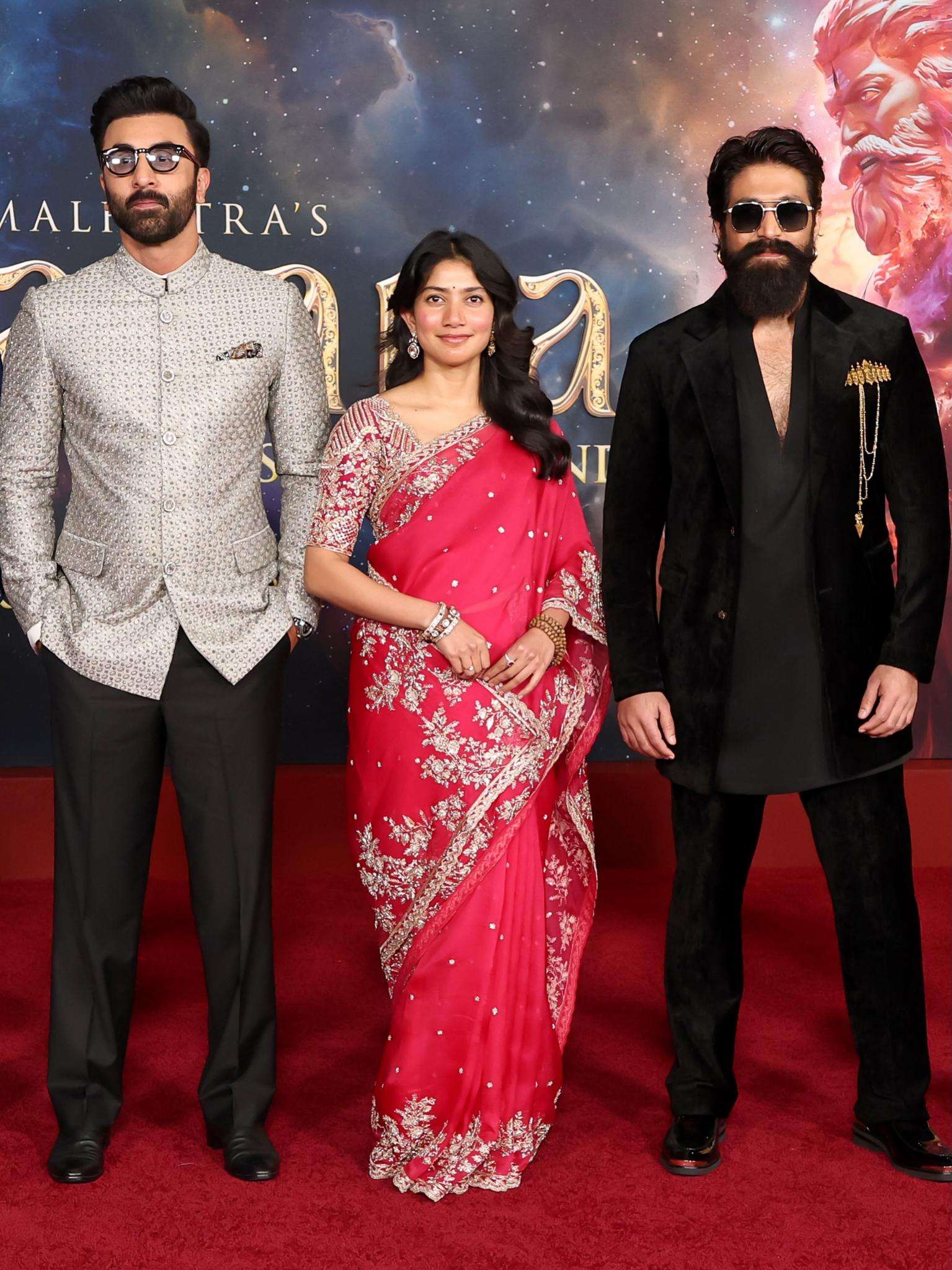
On October 27, Ramayana: Rise of a Legend premiered at the Academy Museum of Motion Pictures in Los Angeles. Ranbir Kapoor, Sai Pallavi and Yash attended alongside director Nitesh Tiwari and producer Namit Malhotra, bringing the people behind this ambitious production together for its international showcase.
For everyone who wants Indian cinema to reach more people, that is a moment to appreciate. But once the photographs are taken and the applause settles, one question remains: how well does the film tell its story?
The early reactions have certainly created excitement. Some attendees praised the scale and performances, and one widely shared response compared the experience to watching The Lord of the Rings for the first time. That is a big comparison. A very big one.
When people remember The Lord of the Rings, they remember the battles, of course. But they also remember Sam refusing to leave Frodo. They remember friendship, fear, and the courage to take one more step when everything seems lost. That is what gives spectacle its power. You care about the person standing in the middle of it.
Some of the first responses to Ramayana suggest that connection is there. Reviewer Theresa Simoni said Kapoor’s performance moved her to tears. Others praised the presence of its leading actors. But there have also been reservations: Venky Reviews questioned the pacing and felt the film sometimes gave action more attention than drama and emotion. Those concerns deserve to be heard alongside the praise.
It would be unfair to say nobody has mentioned the storytelling. Some have. What we are still waiting for is the fuller discussion—how the characters develop, whether their relationships feel convincing, and whether the emotional moments have room to breathe. Detailed reviews remain under embargo, according to coverage of the screening. Until then, these reactions give us a sense of the response. They cannot give us the whole picture.
For many of us, the Ramayana already carries emotion. We have heard it from parents and grandparents. We know its people, its sacrifices and its difficult choices. We bring those memories into the theatre. Someone discovering it in America may bring none of that.
Can the film make that person understand Rama’s burden? Can they feel Sita’s strength and the pain of separation? Can it make them care without needing someone beside them to explain why a scene matters? That, to me, is the real test of its global ambition. And that brings us to Titanic.
Could Ramayana become that kind of phenomenon? I would love to see an Indian film build such a connection across countries and generations. But it is too early to make that prediction.
What Titanic understood was that an enormous film could still feel personal. We watched a ship go down, but we experienced it through people we had come to care about. The scale drew our attention. The relationships held it.
Ramayana has its own emotional foundation: love, duty, loyalty, pride, and sacrifice. These feelings can travel. The filmmaking has to help them reach the audience.
My feeling right now is hopeful, with questions still open. The premiere has given people something to talk about. The praise for its performances is encouraging. The concerns about its dramatic depth deserve a proper examination when full reviews arrive. I want to see this film succeed because it makes people feel something they carry home. A beautiful image can make you say, “Wow.” A powerful story can make you sit quietly after the lights come on, because you are still living inside it. That is what I hope Ramayana gives us.


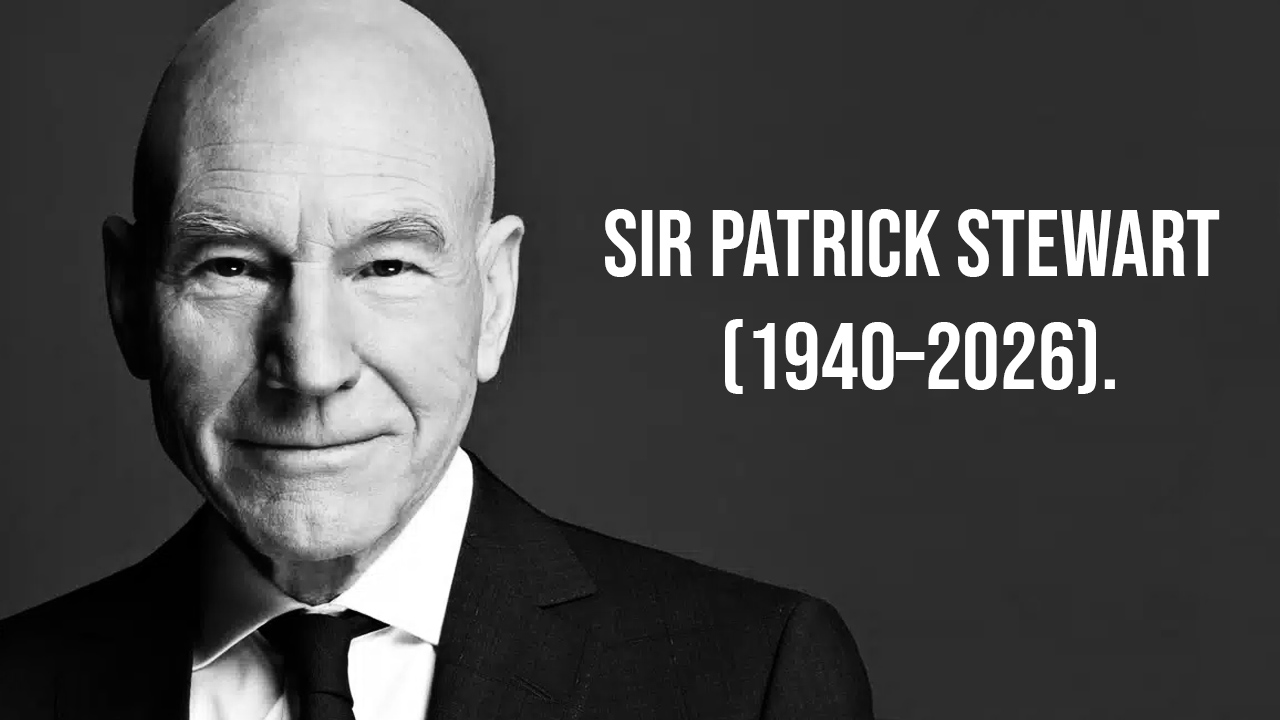
Sir Patrick Stewart Dies at 86: Hollywood Mourns the Loss of a Legendary Star Trek and X-Men Icon
Ramayana’s LA Premiere Has Everyone Talking. But Will the Emotion Match the Spectacle?
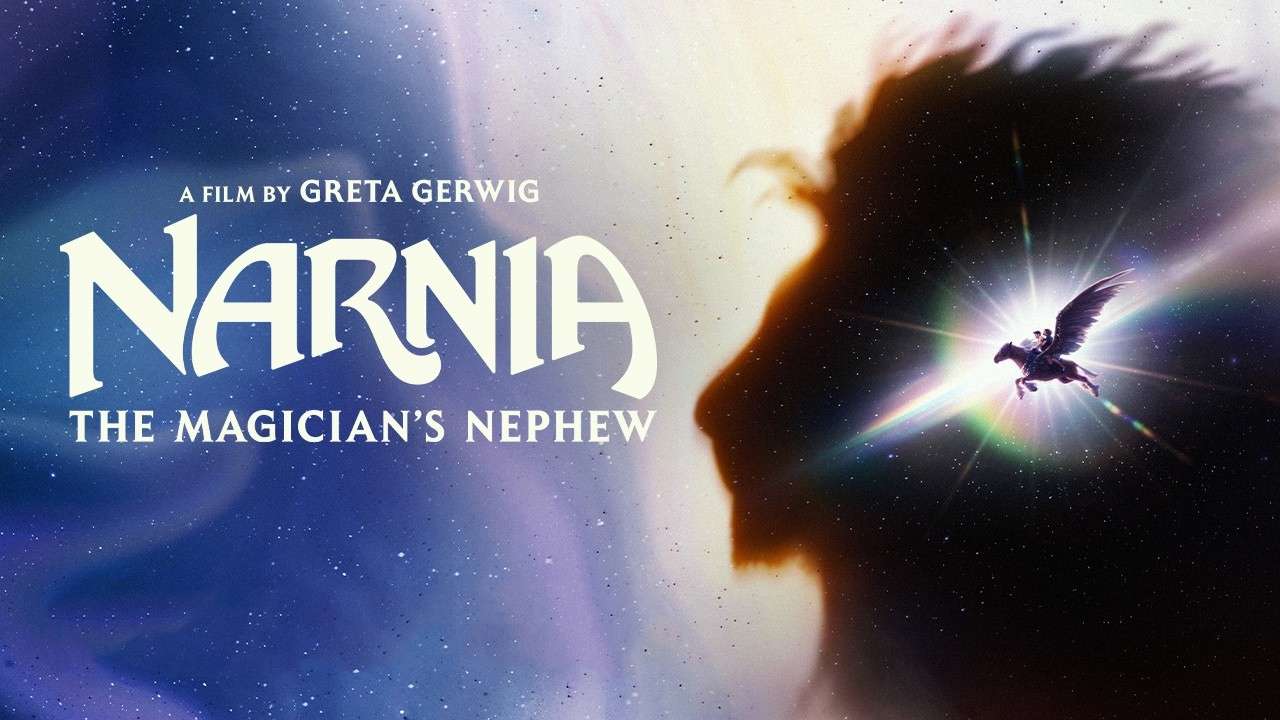
A Universe Begins. See how Narnia was created in The Magician’s Nephew,

RAMAYANA: RISE OF A LEGEND – NEW TRAILER

SDIFF 2026: Opening Night Gala
AMC Global Media Sets New York Comic Con Lineup With Kill Jackie, YAGA, Mayfair Witches and Daryl Dixon

Fanhome Brings Star Wars, Star Trek, Marvel, Harry Potter and More to New York Comic Con 2026

BlumFest 2026 Brings Mike Flanagan, James Wan, Jason Blum and More to New York Comic Con

KAYOU Brings Arden Cho, My Little Pony Artist Andy Price and tokidoki’s Simone Legno to New York Comic Con

Viola Davis, Mira Sorvino and Iliza Shlesinger among the artists being honored at the festival’s 25th Anniversary Night of the Stars Tribute
A Universe Begins. See how Narnia was created in The Magician’s Nephew,
RAMAYANA: RISE OF A LEGEND – NEW TRAILER
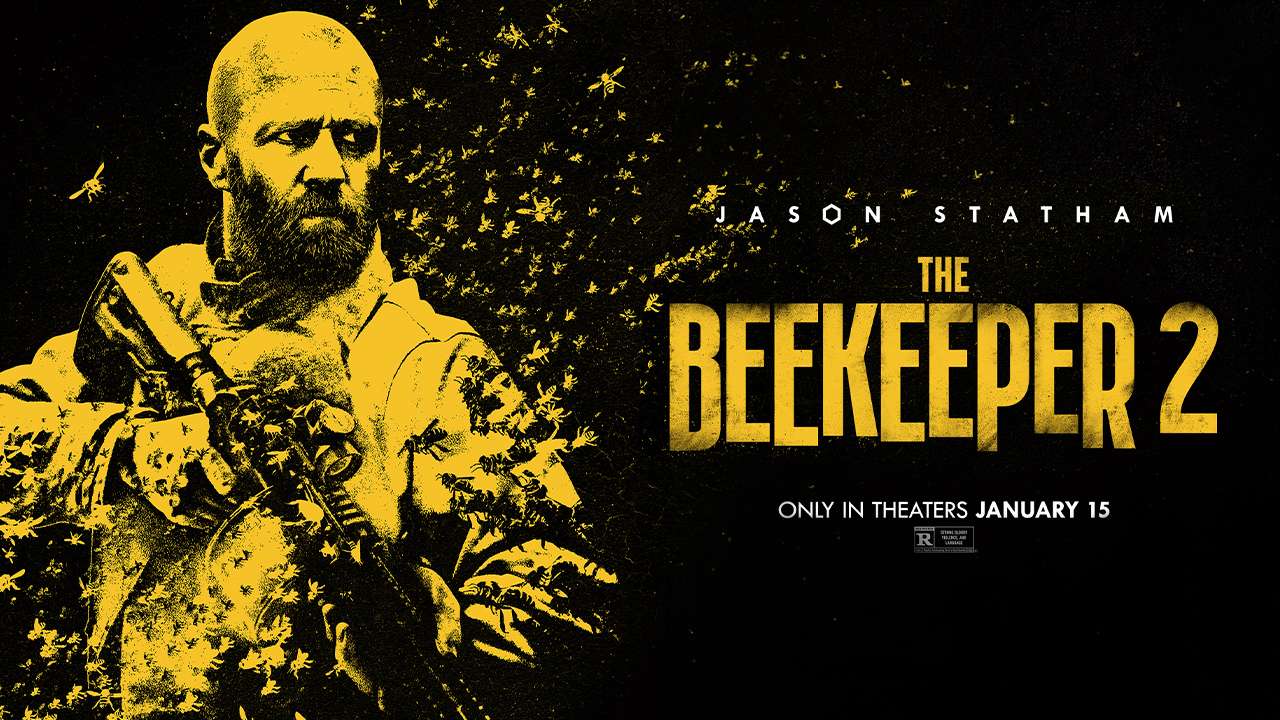
He’s been busy. #Beekeeper2
For everyone who’s ever said “one more round.”
In four weeks, look fear in the face