Movie
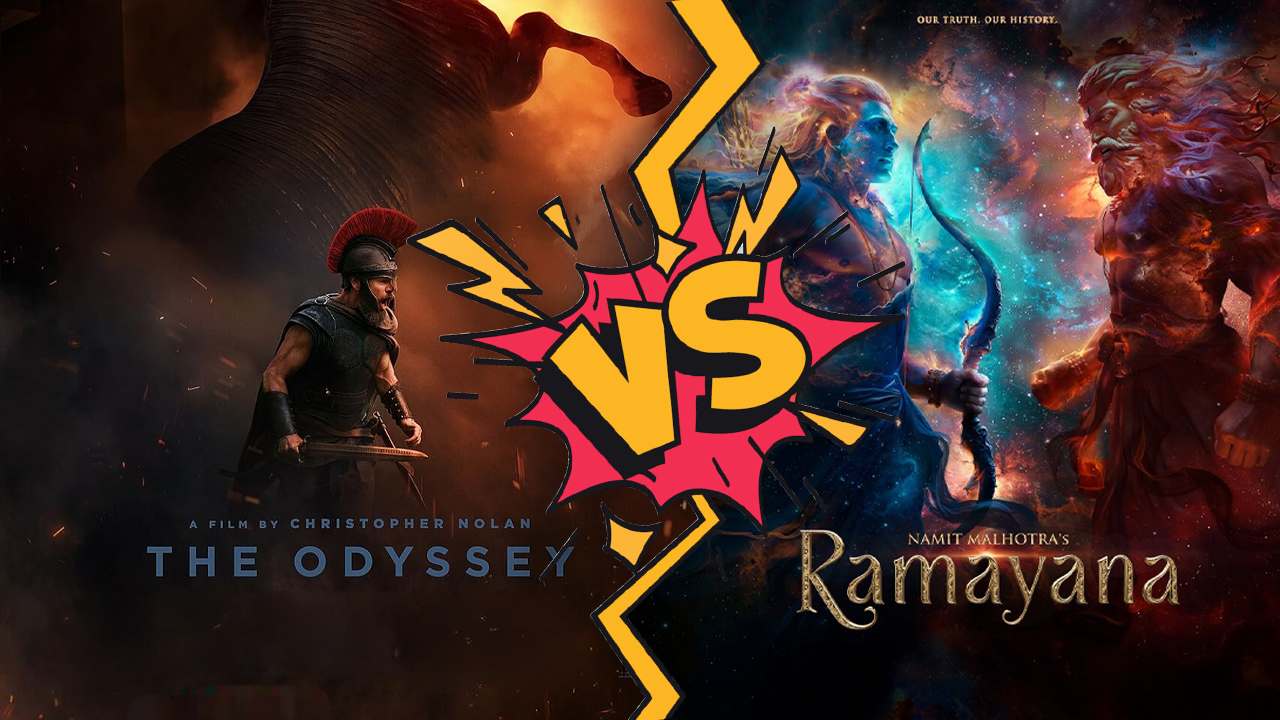
The Odyssey vs Ramayana: The Biggest Mythological Face-Off of 2026

The Odyssey and Ramayana are two of 2026’s biggest mythological epics, each adapting one of the world’s most celebrated ancient stories. Christopher Nolan’s The Odyssey follows the legendary Greek hero Odysseus on his dangerous journey home after the Trojan War, while Nitesh Tiwari’s Ramayana brings the revered Indian epic of Lord Rama, Sita, and Ravana to the big screen. Although both stories feature a heroic journey, loyal loved ones, divine intervention, and the triumph of righteousness, they are rooted in different cultures and traditions. With star-studded casts, grand cinematic scale, and enormous global anticipation, both films are poised to deliver unforgettable theatrical experiences while fueling comparisons among moviegoers.
Directors :
- The Odyssey (2026) — Christopher Nolan
- Ramayana (2026) — Nitesh Tiwari (Part 1)
Genre :
- The Odyssey (2026) — Epic, Action, Adventure, Fantasy, Mythological
- Ramayana (2026) — Epic, Mythological, Action, Adventure, Drama, Fantasy
Release Dates:
- The Odyssey — July 17, 2026 (Worldwide theatrical release)
- Ramayana: Part 1 — November 8, 2026 (Diwali worldwide release)
Cast :
The Odyssey stars Matt Damon as Odysseus, Tom Holland as Telemachus, Anne Hathaway as Penelope, Zendaya as Athena, Charlize Theron as Circe, Lupita Nyong’o as Clytemnestra, Robert Pattinson as Hermes, Jon Bernthal, Benny Safdie as Agamemnon, John Leguizamo, Elliot Page, Himesh Patel, Samantha Morton, Mia Goth, Corey Hawkins, Cosmo Jarvis, Will Yun Lee, and Jesse Garcia in key roles.
Ramayana: Part 1 features Ranbir Kapoor as Lord Rama, Sai Pallavi as Sita, Yash as Ravana, Sunny Deol as Hanuman, Ravi Dubey as Lakshmana, Arun Govil as King Dasharatha, Lara Dutta as Kaikeyi, Rakul Preet Singh as Surpanakha, Indira Krishnan as Queen Kaushalya, and Kajal Aggarwal as Mandodari.
Some Scenes That Show Similarities Between Both Movies :
- Hero leaves home: Lord Rama leaves Ayodhya due to exile, while Odysseus leaves Ithaca to fight in the Trojan War.
- Long separation: Both heroes remain away from their kingdoms for many years.
- Difficult journey: Both face countless dangers, hardships, and obstacles before returning home.
Divine involvement: Gods and superna777
Acbeings play major roles in both stories. - Faithful wife: Sita remains devoted to Rama, and Penelope remains loyal to Odysseus despite years of separation.
- Temptations and challenges: Both heroes encounter situations that test their character and determination.
- Return home: After many years, both heroes finally return to their kingdoms.
- Restoring order: Each hero defeats those who have disrupted his home or kingdom and restores peace.
- Rightful king: Both reclaim their rightful place as rulers.
- Family reunion: Both stories end with the hero reuniting with his family after a long absence.
- Good versus evil: Both epics portray the triumph of righteousness over wrongdoing, though in different ways.
- Loyal companions: Rama is aided by Hanuman, Lakshmana, and the Vanara army, while Odysseus travels with loyal companions for much of his journey.
- Epic adventures: Both are filled with memorable battles, supernatural events, and legendary characters.
- Moral lessons: Both stories teach values such as courage, loyalty, perseverance, duty, and justice.
What Sets These Two Epics Apart :
- Origin: Homer’s The Odyssey vs Maharishi Valmiki’s Ramayana.
- Mythology – Greek mythology vs Hindu mythology.
- Timeline – Ancient Greece vs Treta Yuga (as described in Hindu tradition
- Hero’s Objective – Returning home vs Rescuing Sita and defeating Ravana.
- Main Villain – Poseidon’s wrath, monsters, and obstacles vs Ravana.
- Hero’s Qualities – Odysseus is known for intelligence and strategy; Rama for righteousness, duty, and compassion.
- Divine Intervention – Greek gods such as Athena and Poseidon vs Hindu deities and divine incarnations.
- Major Battles – Survival against mythical creatures vs the War of Lanka.
- Emotional Core – Homecoming and family reunion vs duty, sacrifice, and justice.
- Visual Scale – Sea voyages and mythical islands vs kingdoms, forests, Lanka, and epic warfare.
- Cultural Legacy – A cornerstone of Greek literature vs one of India’s most revered epics.
- Release Strategy – Worldwide summer release for The Odyssey vs Diwali festive release for Ramayana, targeting a major holiday audience in India.
- Who Should Watch? – Fans of historical adventures and Greek mythology vs fans of Indian mythology, epic action, and devotional storytelling.
Final Line:
Whether the similarities between The Odyssey and Ramayana are coincidence or simply the result of timeless epic storytelling, both stand among the most anticipated films of 2026. While Christopher Nolan’s The Odyssey promises a grand cinematic adaptation of Greek mythology, Ramayana arrives during the Diwali festival with immense expectations from Indian audiences, many of whom are especially excited to see Yash’s portrayal of Ravana alongside Ranbir Kapoor as Lord Rama. Regardless of the comparisons, both films aim to bring legendary epics to life on an unprecedented scale, making them must-watch theatrical events.



BlumFest 2026 Brings Mike Flanagan, James Wan, Jason Blum and More to New York Comic Con

Marvel’s Avengers: Doomsday Takes Over NYCC 2026 With Heroes & Villains’ Latvarian Marketplace

Viola Davis, Mira Sorvino and Iliza Shlesinger among the artists being honored at the festival’s 25th Anniversary Night of the Stars Tribute
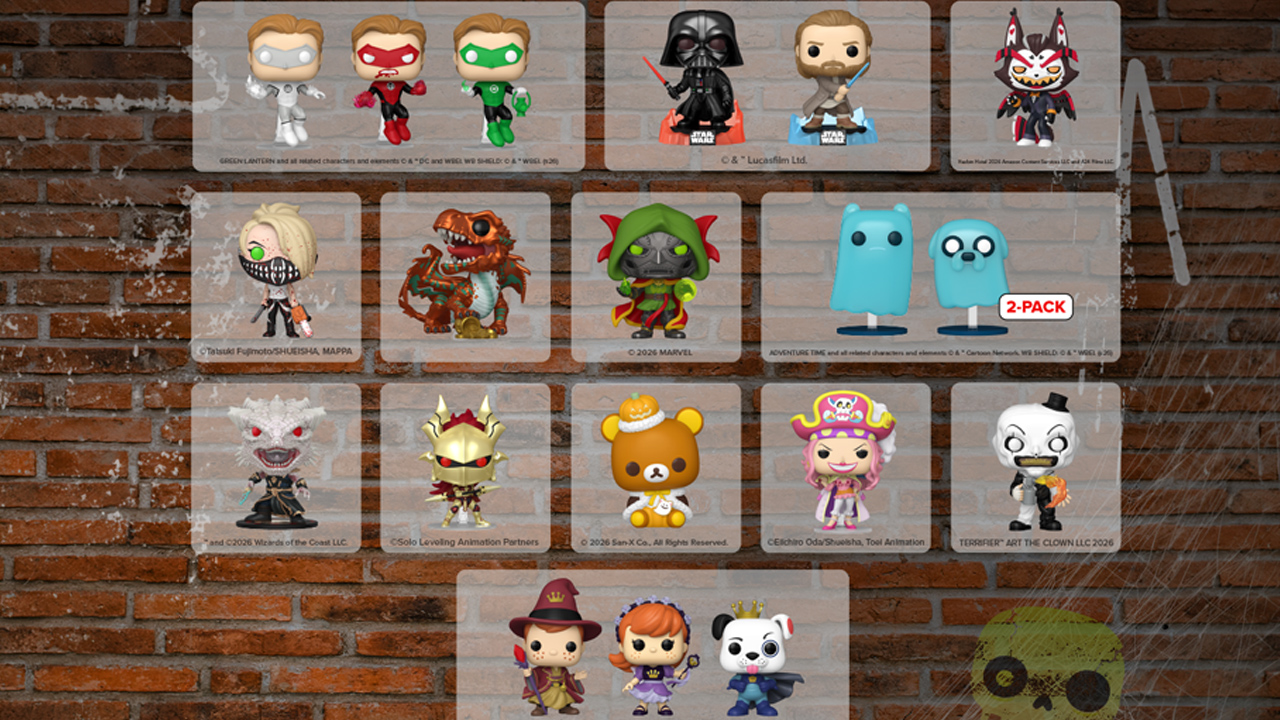
NYCC 2026: Everything You Need to Know
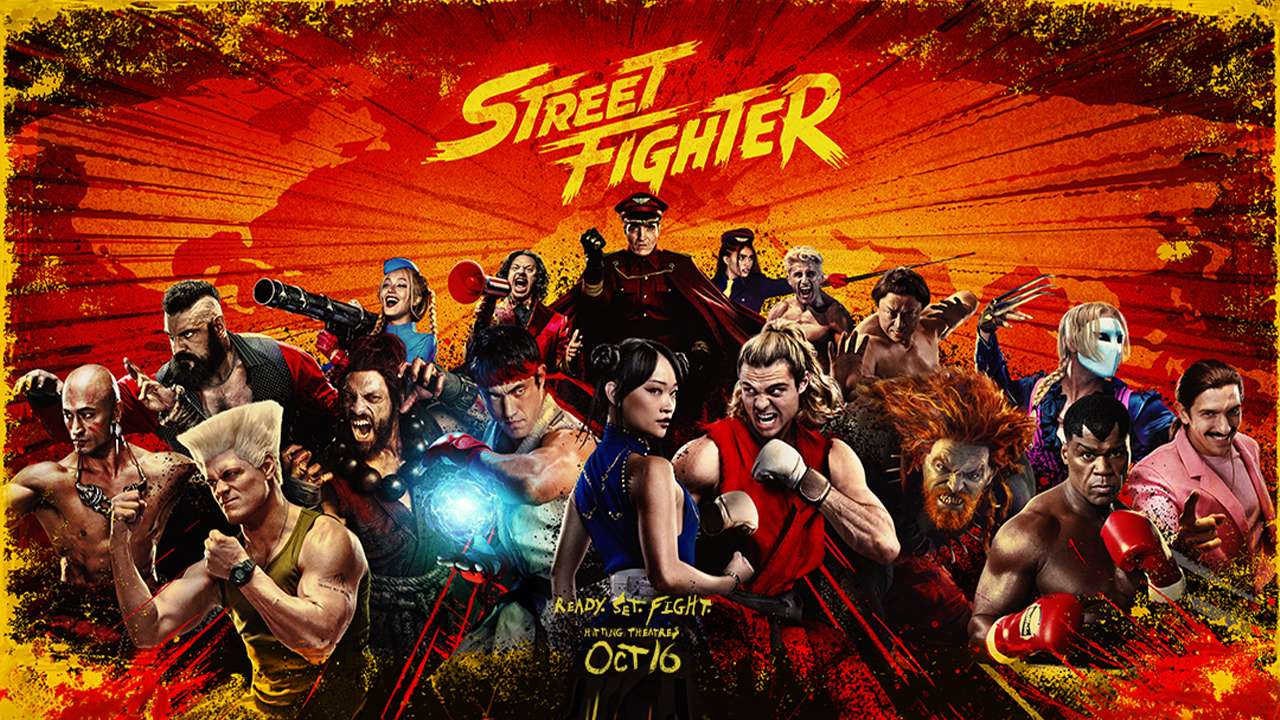
For everyone who’s ever said “one more round.”

AMC Global Media Sets New York Comic Con Lineup With Kill Jackie, YAGA, Mayfair Witches and Daryl Dixon

Fanhome Brings Star Wars, Star Trek, Marvel, Harry Potter and More to New York Comic Con 2026

The Sheep Detectives

From: Season 3

Viola Davis to Receive Gregory Peck Award at San Diego International Film Festival’s 25th Anniversary Night of the Stars
For everyone who’s ever said “one more round.”

In four weeks, look fear in the face
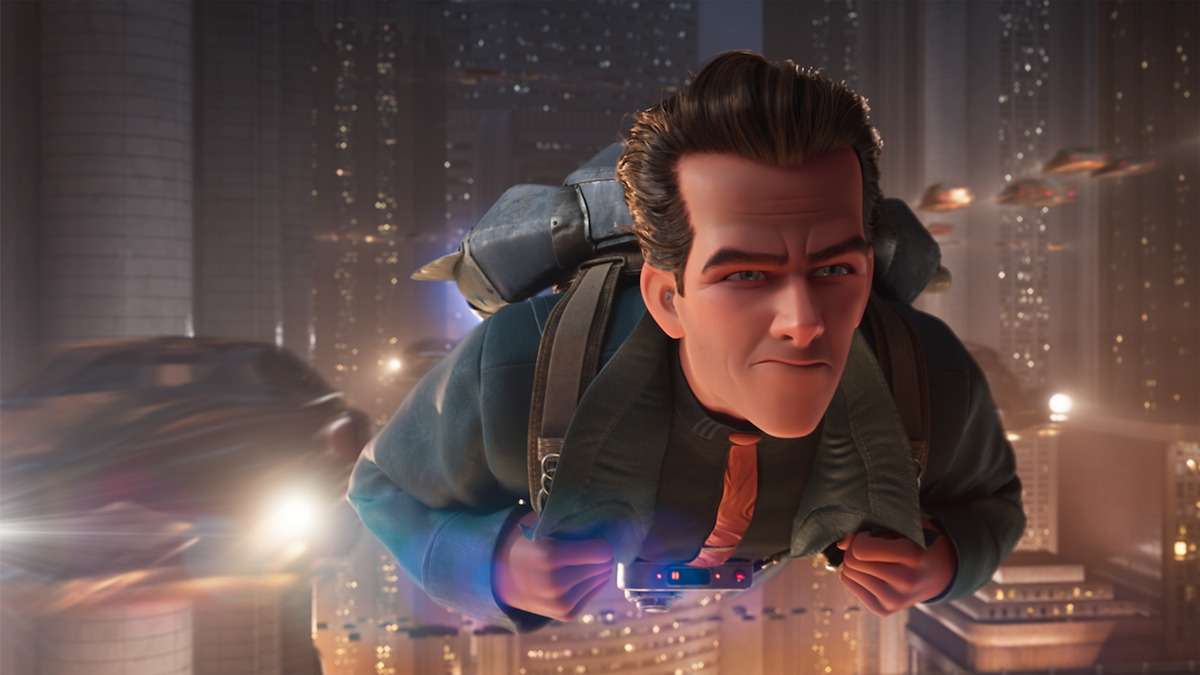
Ray Gunn

He will change the way you see the world
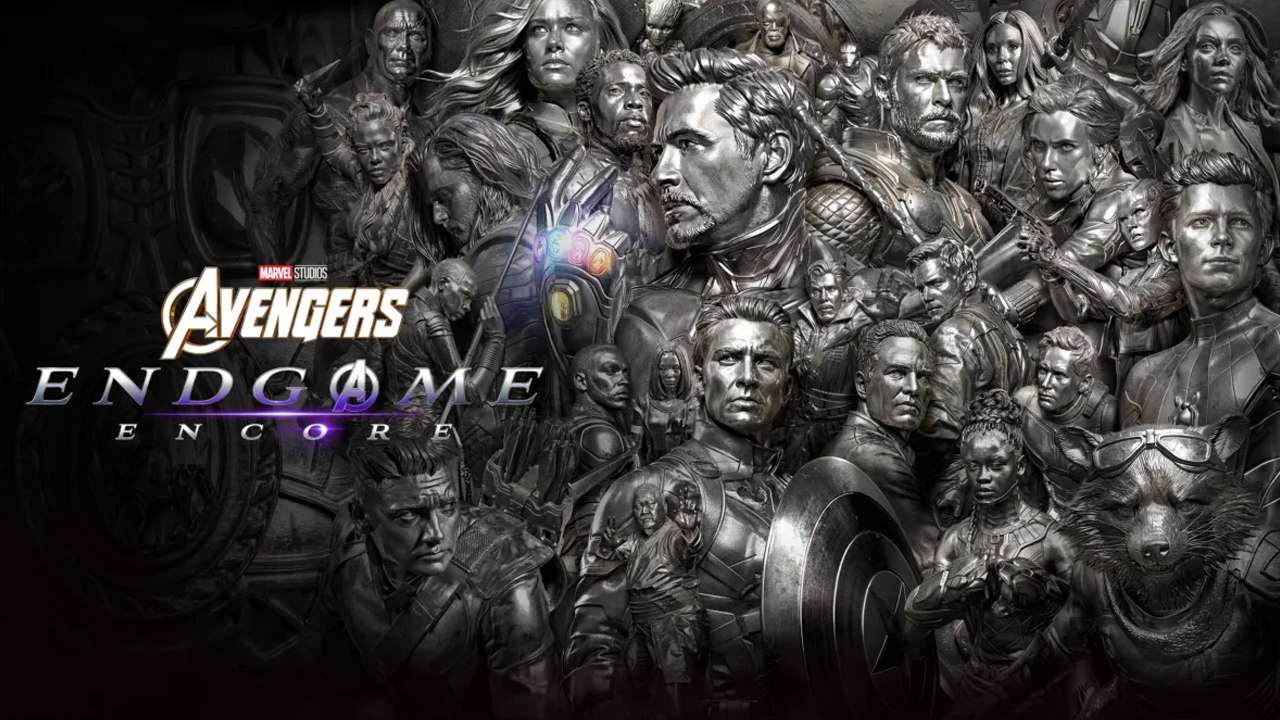
Reassemble the team & relive the experience as Avengers Endgame: Encore